beginner basics
Choosing Exercise Shoes For Beginners
How can a beginner think about exercise shoes without turning footwear into injury prevention, pain advice, or product recommendations?
Exercise shoes are a context choice, not medical assurance. A beginner can choose footwear by matching activity, surface, fit, stop point, and first-walk feedback. The useful question is whether the shoe makes the first movement easier to observe, not whether it promises protection, explains discomfort, or proves readiness.
Try the shoes in the easiest setting first: a short walk, a flat path, a clear room, or a low-pressure class. Stop if discomfort, slipping, rubbing, numbness, instability, breath, dizziness, or uncertainty becomes the main signal.
Read This First
You want to start walking, gym movement, home exercise, or a class and are unsure whether your current shoes are enough, whether you need a new pair, or how to avoid being pulled into product claims.
Try the shoes in the easiest setting first: a short walk, a flat path, a clear room, or a low-pressure class. Stop if discomfort, slipping, rubbing, numbness, instability, breath, dizziness, or uncertainty becomes the main signal.
activity type, surface, shoe, rubbing, slipping, toe pressure, heel movement, numbness, balance, and whether stopping stayed easy
Make the next test shorter, flatter, closer to home, on a clearer surface, in a different shoe you already own, or inside a movement that stops immediately.
Make the first attempt boring enough to repeat.
Beginner pages protect the first week from motivation language. The useful question is whether the smallest version stayed readable afterward.
- Repeat the version that stayed clear before adding another variable.
- Choosing Exercise Shoes For Beginners - Shoes Are A Setting Choice, Not A Protection Promise: look first for activity type, surface, shoe, rubbing, slipping, toe pressure, heel movement, numbness, balance, and whether stopping stayed easy; if that signal is missing or crowded out by rubbing, numbness, swelling, unusual pain, slipping, unstable balance, or symptoms that make the test hard to stop, make the next version smaller before reading onward.
- Pick the version that can be shortened without guilt.
- Ask a clinician, podiatrist, physical therapist, emergency service, or qualified fitness professional when pain, numbness, swelling, injury history, medical footwear, falls history, chronic disease, pregnancy, recovery, or professional instructions shape the decision.
Use this page to protect the first repeat. Begin with the restart, not the full identity change.
Choosing Exercise Shoes For Beginners is strongest when you read it as a first-week decision, not as a full program. Keep the page focused on shoes are a setting choice, not a protection promise, then stop at the smallest version you could repeat tomorrow. The restart variant keeps the article anchored to the first clean attempt after a long pause, a missed week, or a low-confidence day.
Picture choosing exercise shoes for beginners on a day when motivation is not the problem, but pacing is. Keep the safe start concrete: Try the shoes in the easiest setting first: a short walk, a flat path, a clear room, or a low-pressure class. Stop if discomfort, slipping, rubbing, numbness, instability, breath, dizziness, or uncertainty becomes the main signal. Read the scene as a restart: the reader needs a version that can be done once without turning the day into a program.
Do not turn match the shoe question to activity and surface into a test of discipline. If the first attempt creates confusion, use the reduce path first: Make the next test shorter, flatter, closer to home, on a clearer surface, in a different shoe you already own, or inside a movement that stops immediately. Avoid language that turns the page into a fresh commitment contract; the next action should be small enough to abandon safely.
After reading, choose one sign to watch: activity type, surface, shoe, rubbing, slipping, toe pressure, heel movement, numbness, balance, and whether stopping stayed easy. If that sign is still unclear, the next useful read is Walking First For Beginners. The useful takeaway is one repeatable first attempt, not proof that the reader is now an exerciser.
Safety Boundary
This is general education, not medical advice. Stop for warning signs and ask a qualified professional when the situation is personal, uncertain, or higher risk.
Not For
- diagnosis of foot pain, ankle pain, gait, balance, injury risk, footwear prescription, or medical readiness
- replacing a clinician, podiatrist, physical therapist, qualified fitness professional, emergency service, or professional instructions
- treatment decisions, rehab guidance, orthotic advice, injury prevention promises, posture correction, body change, weight change, or performance programming
What To Look For
Read the page by the signal you need to understand, then choose the next page only when that signal is clearer.
Decision 1
Shoes Are A Setting Choice, Not A Protection Promise
Choosing Exercise Shoes For Beginners - Shoes Are A Setting Choice, Not A Protection Promise: look first for activity type, surface, shoe, rubbing, slipping, toe pressure, heel movement, numbness, balance, and whether stopping stayed easy; if that signal is missing or crowded out by rubbing, numbness, swelling, unusual pain, slipping, unstable balance, or symptoms that make the test hard to stop, make the next version smaller before reading onward.
Footwear pages can drift into product claims or injury-prevention language unless the guide narrows the decision. This part matters only if it changes the next visible choice instead of adding a generic reason to move.
For a beginner, exercise shoes are part of the setting. They help you decide whether the first activity can be observed calmly, but they do not promise safety, prevent injury, fix discomfort, or clear medical risk. Start by naming the movement: walking, home exercise, gym floor, class, cycling, dancing, or a light outdoor path.
Then name the surface: sidewalk, carpet, wood floor, mat, grass, stairs, or a studio. A shoe that feels fine for errands may not feel clear during side steps. A shoe that feels stable outdoors may feel awkward on a mat.
That does not mean the shoe is good or bad for everyone. It means you need a short, stoppable first test in the same context. The useful outcome is not a brand choice.
It is a note: fit, rubbing, slipping, turning, stopping, and whether the movement stayed readable. That same-setting note keeps the guide useful without becoming shopping or health advice. Shoes Are A Setting Choice, Not A Protection Promise should change what the reader watches next, not simply restate the guide topic.
In choosing exercise shoes for beginners, the section is useful when it turns the first repeatable version of choosing exercise shoes for beginners into a visible check: activity type, surface, shoe, rubbing, slipping, toe pressure, heel movement, numbness, balance, and whether stopping stayed easy. If the same attempt points instead to rubbing, numbness, swelling, unusual pain, slipping, unstable balance, or symptoms that make the test hard to stop, the guide should narrow the choice, reduce the demand, or move the reader toward qualified help. Mayo Clinic (Fitness Program: 5 Steps To Get Started) and CDC (Adult Activity: An Overview) shape this dimension without becoming instructions to copy.
Mayo Clinic gives this guide public-facing vocabulary and a limit on what the guide can say. CDC adds a second comparison point so the guide does not lean on one article or one phrasing pattern. The final wording should therefore stay with what can be observed, what should not be assumed, and what question belongs outside a self-directed page.
Decision 2
Match The Shoe Question To Activity And Surface
Choosing Exercise Shoes For Beginners - Match The Shoe Question To Activity And Surface: choose the next move from the visible signal, then direct symptoms, personal risk, or unclear safety to qualified help.
A shoe that seems reasonable in one setting may become confusing when the movement or surface changes. This part matters only if it changes the next visible choice instead of adding a generic reason to move.
The shoe question changes with activity and surface. Walking asks whether the shoe feels steady over repeated steps. A home movement break asks whether the sole catches or slips on the floor.
A class asks whether you can turn, step back, and pause. Outdoor paths add weather, uneven ground, curbs, and distance from home. Beginner strength or mobility work may ask whether the shoe helps or hides foot placement.
Instead of choosing from a general idea of best shoes, choose one activity and one surface for the first test. Keep everything else simple: short time, easy pace, clear path, no new intensity. If the shoe feels uncertain, change one variable before judging the activity.
Try a flatter path, clearer floor, shorter session, or different shoe you already own. If the signal is pain, numbness, swelling, slipping, balance, or injury history, move away from product thinking and ask qualified help when needed. Choosing Exercise Shoes For Beginners needs match the shoe question to activity and surface to answer a smaller question than "what should I do next?" Use the point where motivation becomes pressure as the filter and leave with one note: the strongest signal was fit, floor, path, activity category, discomfort, product-claim confusion, or professional-boundary guidance.
If the note is only motivation, guilt, or a vague sense that more effort must be better, the section has not done its job yet. Cleveland Clinic (How To Choose Walking Shoes) and AAOS OrthoInfo (Athletic Shoes) shape this dimension without becoming instructions to copy. Cleveland Clinic gives this guide public-facing vocabulary and a limit on what the guide can say.
AAOS OrthoInfo adds a second comparison point so the guide does not lean on one article or one phrasing pattern. The final wording should therefore stay with what can be observed, what should not be assumed, and what question belongs outside a self-directed page. A sneaker that works outside may catch on carpet during home movement, so test the actual floor before adding a longer routine.
After one attempt, the note should be plain enough to compare later: the strongest signal was fit, floor, path, activity category, discomfort, product-claim confusion, or professional-boundary guidance. If nothing useful changes, the fallback is not to push harder; it is to make the next test shorter, flatter, closer to home, on a clearer surface, in a different shoe you already own, or inside a movement that stops immediately. If the signal is mixed, change one variable at a time: shoe, sock, lacing, path, floor, movement type, class position, duration, or whether the question belongs to a qualified professional.
Decision 3
Fit Signals Belong To A Short First Attempt
Choosing Exercise Shoes For Beginners - Fit Signals Belong To A Short First Attempt: use this section to choose repeat, reduce, pause, or ask, not to prove progress; watch the same shoe-and-setting combination would be realistic to repeat for another small attempt.
The reader needs a practical way to notice fit without turning the guide into a product review or pain guide.
Fit is easiest to read during a short first attempt, not during a long session or a store-style fantasy of perfect shoes. Choose a small test: a short walk, a few minutes of easy home movement, a simple warm-up, or a slow path near home. Notice rubbing, slipping, toe pressure, heel movement, numbness, heat, unstable balance, and whether the shoe distracts you from the movement.
Keep the note ordinary. It does not diagnose foot pain or decide that a shoe is medically appropriate. It only tells you whether this shoe-and-setting combination is readable enough for another small attempt.
If the shoe creates a clear issue, do not push through to finish the planned session. Stop, change the setting, change the shoe, or ask qualified help when symptoms or history matter. Beginners often want a perfect purchase.
A better first goal is avoiding a shoe setup that makes observation harder. The shorter test also makes one shoe variable easier to change next time. Fit Signals Belong To A Short First Attempt belongs in choosing exercise shoes for beginners because it can separate one ordinary signal from a larger claim.
For this guide, the stop rule before progress matters more than finishing a routine. The reader should finish the section knowing whether to repeat the same version, make it smaller, change the setting, or pause because product claims replace observation, safety boundaries, or qualified help. Cleveland Clinic (How To Choose Walking Shoes) and MoveKind (Walking First For Beginners) shape this dimension without becoming instructions to copy.
Cleveland Clinic gives this guide public-facing vocabulary and a limit on what the guide can say. Walking First For Beginners supplies the site link if this section becomes the reader's next decision. The final wording should therefore stay with what can be observed, what should not be assumed, and what question belongs outside a self-directed page.
If heel slipping appears during a short walk, stop the test and adjust the shoe choice before turning the walk into a longer fitness goal. After one attempt, the note should be plain enough to compare later: the same shoe-and-setting combination would be realistic to repeat for another small attempt. If nothing useful changes, the fallback is not to push harder; it is to make the next test shorter, flatter, closer to home, on a clearer surface, in a different shoe you already own, or inside a movement that stops immediately.
If the signal is mixed, change one variable at a time: shoe, sock, lacing, path, floor, movement type, class position, duration, or whether the question belongs to a qualified professional.
Decision 4
Product Claims Need To Become Observation Questions
Choosing Exercise Shoes For Beginners - Product Claims Need To Become Observation Questions: look first for the next page should be walking-first, home-space safety, start-safely, walking as exercise, or ask-first guidance; if that signal is missing or crowded out by rubbing, numbness, swelling, unusual pain, slipping, unstable balance, or symptoms that make the test hard to stop, make the next version smaller before reading onward.
Shoe content is crowded with shopping language, rankings, and promises that do not belong in a conservative beginner page.
Product language can make beginners feel that the right shoe will solve the whole movement decision. MoveKind should translate product claims into observation questions. Instead of asking whether a shoe is best, ask what the shoe lets you notice.
Can you walk slowly without rubbing? Can you turn around? Does the sole match the floor?
Can you stop without slipping? Does the shoe make the movement feel clearer or more distracting? Does the path still feel easy to leave?
This translation protects the guide from product recommendations and affiliate-style certainty. It also keeps the reader from using a new purchase as permission to add too much too soon. If a shoe is marketed for support, cushioning, speed, toning, or stability, the guide should not repeat the promise.
It should ask what happened during one small movement test. When personal pain, injury history, medical footwear, orthotics, or balance concerns appear, product claims are not enough. Product Claims Need To Become Observation Questions should change what the reader watches next, not simply restate the guide topic.
In choosing exercise shoes for beginners, the section is useful when it turns the first repeatable version of choosing exercise shoes for beginners into a visible check: the next page should be walking-first, home-space safety, start-safely, walking as exercise, or ask-first guidance. If the same attempt points instead to rubbing, numbness, swelling, unusual pain, slipping, unstable balance, or symptoms that make the test hard to stop, the guide should narrow the choice, reduce the demand, or move the reader toward qualified help. Verywell Fit (Best Walking Shoes) and AAOS OrthoInfo (Athletic Shoes) shape this dimension without becoming instructions to copy.
Verywell Fit is used here for reader-question coverage and article structure, not as proof of a health outcome. AAOS OrthoInfo adds a second comparison point so the guide does not lean on one article or one phrasing pattern. The final wording should therefore stay with what can be observed, what should not be assumed, and what question belongs outside a self-directed page.
Decision 5
The Next Page Follows The Footwear Signal
Choosing Exercise Shoes For Beginners - The Next Page Follows The Footwear Signal: choose the next move from the visible signal, then direct symptoms, personal risk, or unclear safety to qualified help.
Shoe advice should path the reader toward walking, space safety, start-safely, or professional-boundary pages based on what happened.
After one shoe test, choose the next page from the strongest signal. If the shoes felt fine and the path was the real question, read walking-first or walking-as-exercise. If the floor, clutter, stairs, or slipping risk was the issue, read home-space safety before changing activity.
If the entire first attempt felt too large, read start-safely and shrink the movement. If fit signals included pain, numbness, swelling, balance worry, injury history, orthotics, or medical instructions, do not search for another product article first. Ask qualified help when needed.
This makes internal links function like decisions rather than shopping suggestions. A beginner does not need endless shoe categories before moving. The reader needs to know whether the footwear setup made the first movement clear enough to repeat.
If it did, keep the next attempt small. If it did not, change the shoe-setting combination or use safety guidance. That repeat setting matters more than finding another broad shoe category.
Choosing Exercise Shoes For Beginners needs the next page follows the footwear signal to answer a smaller question than "what should I do next?" Use the point where motivation becomes pressure as the filter and leave with one note: activity type, surface, shoe, rubbing, slipping, toe pressure, heel movement, numbness, balance, and whether stopping stayed easy. If the note is only motivation, guilt, or a vague sense that more effort must be better, the section has not done its job yet. MoveKind (Home Exercise Space Safety) and Mayo Clinic (Fitness Program: 5 Steps To Get Started) shape this dimension without becoming instructions to copy.
MoveKind is used here for reader-question coverage and article structure, not as proof of a health outcome. Mayo Clinic adds a second comparison point so the guide does not lean on one article or one phrasing pattern. The final wording should therefore stay with what can be observed, what should not be assumed, and what question belongs outside a self-directed page.
If the shoes felt fine but the sidewalk path made turning back awkward, the next decision is path setup, not buying another pair. After one attempt, the note should be plain enough to compare later: activity type, surface, shoe, rubbing, slipping, toe pressure, heel movement, numbness, balance, and whether stopping stayed easy. If nothing useful changes, the fallback is not to push harder; it is to make the next test shorter, flatter, closer to home, on a clearer surface, in a different shoe you already own, or inside a movement that stops immediately.
If the signal is mixed, change one variable at a time: shoe, sock, lacing, path, floor, movement type, class position, duration, or whether the question belongs to a qualified professional.
After You Try It
After one shoe test, you may understand whether the next decision is walking path, home floor, fit, rubbing, slipping, activity category, product skepticism, or qualified help. That is not proof that a shoe protects you or clears personal risk.
What To Observe
- activity type, surface, shoe, rubbing, slipping, toe pressure, heel movement, numbness, balance, and whether stopping stayed easy
- whether the strongest signal was fit, floor, path, activity category, discomfort, product-claim confusion, or professional-boundary guidance
- whether the same shoe-and-setting combination would be realistic to repeat for another small attempt
- whether the next page should be walking-first, home-space safety, start-safely, walking as exercise, or ask-first guidance
Too Much
- rubbing, numbness, swelling, unusual pain, slipping, unstable balance, or symptoms that make the test hard to stop
- a new shoe makes you feel permitted to add speed, distance, stairs, jumping, or class complexity before the first signal is clear
- product claims replace observation, safety boundaries, or qualified help
If Nothing Improves Or It Feels Worse
Make the next test shorter, flatter, closer to home, on a clearer surface, in a different shoe you already own, or inside a movement that stops immediately.
Change one variable at a time: shoe, sock, lacing, path, floor, movement type, class position, duration, or whether the question belongs to a qualified professional.
Pause when footwear creates pain, numbness, swelling, slipping, balance worry, dizziness, breath issues, or uncertainty.
Ask a clinician, podiatrist, physical therapist, emergency service, or qualified fitness professional when pain, numbness, swelling, injury history, medical footwear, falls history, chronic disease, pregnancy, recovery, or professional instructions shape the decision.
When To Stop Or Ask First
- Stop for chest discomfort, faintness, severe shortness of breath, dizziness, numbness, swelling, unusual pain, unstable balance, or symptoms that feel unsafe.
- Ask first when foot pain, injury history, orthotics, medical footwear, falls, medication, pregnancy, chronic disease, illness, surgery, recovery, or professional instructions change the decision.
- Use shoe selection as general education and not medical advice, diagnosis, treatment, rehab guidance, injury prevention, product recommendation, or personal clearance.
Next Decision
Choose the next page from what you noticed, not from a harder goal.
Pick Walking First For Beginners after choosing exercise shoes for beginners if use this path when the reader can describe activity is the clearest education signal; keep the safety boundary around symptoms, personal risk, and qualified help.
If The Setup Needs To ShrinkHome Exercise Space SafetyUse this path when you can describe the strongest signal was fit, floor, path, activity category, discomfort, product-claim confusion, or professional-boundary guidance.Use Home Exercise Space Safety after choosing exercise shoes for beginners when it clarifies how stopping stays easy; it is general education, not personal clearance, treatment, or a program.
If Safety Is The QuestionHow To Start Exercising SafelyUse this path when product claims replace observation, safety boundaries, or qualified help changes the decision.Choose How To Start Exercising Safely after choosing exercise shoes for beginners when use this path when product claims replace observation, safety changes the setting, support, or stop point; qualified help still handles symptoms or risk.
If The Neighboring Topic FitsWalking As ExerciseUse this path when you can describe the next page should be walking-first, home-space safety, start-safely, walking as exercise, or ask-first guidance.Read Walking As Exercise after choosing exercise shoes for beginners if walking as exercise is the better question before adding effort; keep personal risk outside self-direction.
How To Use The Source Notes
The sources support exercise shoes as setup and consumer-literacy context. They do not support product recommendations, medical footwear prescriptions, injury-prevention promises, pain interpretation, treatment, rehab, or personal clearance.
Mayo Clinic, Cleveland Clinic, and CDC anchor setup and activity-category context; AAOS and Verywell Fit are used for coverage comparison and shopping-language awareness; MoveKind internal pages path walking and space-safety decisions.
No source is used to prescribe a shoe, rank products, diagnose pain, promise protection, or decide whether a reader is safe to exercise.
the guide is organized around five footwear decisions: activity and surface, fit during a small first attempt, product-claim skepticism, stop-sign boundaries, and next linking from the strongest shoe signal.
Practical Steps
- Name the first activity and surface before judging the shoe.
- Use a short test near an easy stop point.
- Notice rubbing, slipping, toe pressure, heel movement, numbness, balance, and whether the movement stayed clear.
- Translate product claims into observation questions.
- Change one variable before buying or adding more activity.
- Ask qualified help when pain, medical footwear, injury history, or unsafe symptoms are involved.
Common Mistakes
- Reading shoes as injury prevention or medical clearance.
- Buying from product claims before testing the actual activity and surface.
- Ignoring rubbing, numbness, slipping, or balance because the session is short.
- Adding distance, speed, stairs, or jumping because a shoe feels new.
- Using a product list instead of a qualified professional when symptoms or medical footwear questions appear.
FAQ
Is Choosing Exercise Shoes For Beginners medical advice?
No. This page is general education and not medical advice. It does not diagnose pain, prescribe treatment, provide rehab, recommend products, or clear personal risk.
Do I need special shoes before starting?
Not always. First match the shoe to the activity and surface, then test a short, easy-to-stop version before adding more.
What should I notice during a first shoe test?
Notice rubbing, slipping, toe pressure, heel movement, numbness, balance, floor surface, path, and whether stopping stayed easy.
Can a shoe prevent injury?
This page does not make injury-prevention promises. Use footwear as one setup variable and ask qualified help for pain, injury history, or medical footwear questions.
When should I stop testing shoes?
Stop for pain, numbness, swelling, slipping, unstable balance, chest discomfort, severe breathlessness, dizziness, or symptoms that feel unsafe.
Image Source
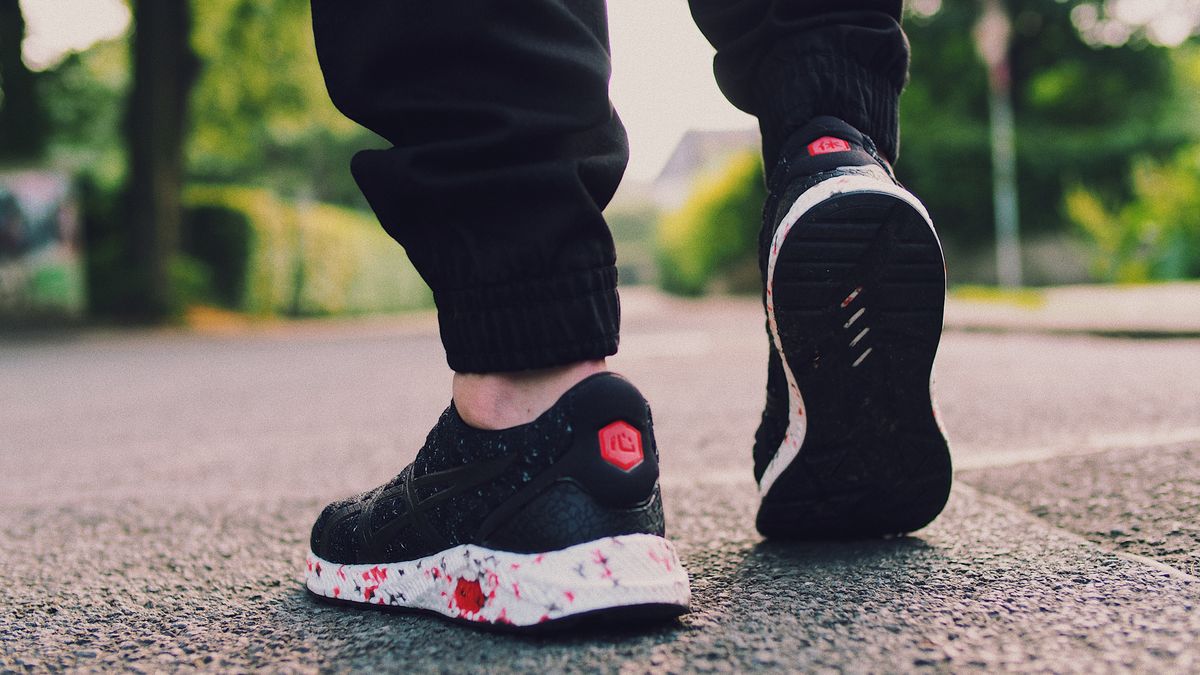
The image shows walking shoes on a street, which fits a page about matching footwear to activity, surface, fit, and a short first test. It is setup context, not product advice.
Article match: exercise shoes, walking, beginner path, footwear setup, first movement test, and surface observation. The image is exact because it shows shoes in a walking context without implying injury prevention, product recommendation, treatment, rehab, body change, or medical clearance. Article match: shoes, walking, equipment, beginner.
Image: Black Sneakers Walking On A Street. Author: Pexels photographer, see source page. License: Pexels License. Library: Pexels.