beginner basics
Minimal Equipment For Beginners
What minimal equipment can help a beginner start moving without turning shopping, gear, or setup into a hidden exercise program?
Minimal equipment should make movement easier to read, not more official. For most beginners, the first useful tools are a clear space, supportive shoes if needed, a stable chair or wall, a timer you can ignore, and optional light gear only after the movement itself stays stoppable. Read it first for one decision: space and stopping were clear before equipment appeared. If the answer is unclear, make the next version smaller or move to the ask-first page before adding time, speed, load, range, or another page.
Start with the space and exit point before buying anything. Ask whether the movement can stop easily with the equipment already available. Decide the stop point before you begin, and keep the version small enough that pausing does not feel like failure.
Read This First
You are wondering whether you need a mat, bands, dumbbells, shoes, a timer, or a full home setup before your first repeatable movement attempt. The useful way into this guide is minimal equipment starts with space, not shopping: name the setting, the signal you can observe, and the line where the guide should stop instead of becoming personal advice.
Start with the space and exit point before buying anything. Ask whether the movement can stop easily with the equipment already available. Decide the stop point before you begin, and keep the version small enough that pausing does not feel like failure.
whether space and stopping were clear before equipment appeared
Remove one tool, use more support, choose a clearer space, shorten the session, or return to a no-equipment version.
Make the first attempt boring enough to repeat.
Beginner pages protect the first week from motivation language. The useful question is whether the smallest version stayed readable afterward.
- Repeat the version that stayed clear before adding another variable.
- Minimal Equipment For Beginners - Minimal Equipment Starts With Space, Not Shopping: look first for space and stopping were clear before equipment appeared; if that signal is missing or crowded out by gear makes the first attempt harder to stop, make the next version smaller before reading onward.
- Pick the version that can be shortened without guilt.
- Ask a clinician, physical therapist, emergency service, or qualified fitness professional when symptoms, medical history, medication, pregnancy, illness, surgery, recovery, chronic disease, or professional instructions shape equipment choices.
Use this page to protect the first repeat. Protect confidence from overinterpretation.
Minimal Equipment For Beginners is strongest when you read it as a first-week decision, not as a full program. Keep the page focused on minimal equipment starts with space, not shopping, then stop at the smallest version you could repeat tomorrow. The confidence variant separates useful self-observation from shame, performance comparison, or over-reading a single attempt.
Picture minimal equipment for beginners on a day when motivation is not the problem, but pacing is. Keep the safe start concrete: Start with the space and exit point before buying anything. Ask whether the movement can stop easily with the equipment already available. Decide the stop point before you begin, and keep the version small enough that pausing does not feel like failure. Read the scene as a confidence check: the page should make the next attempt feel easier to describe, not harder to justify.
Do not turn a mat, chair, or wall can be enough context into a test of discipline. If the first attempt creates confusion, use the reduce path first: Remove one tool, use more support, choose a clearer space, shorten the session, or return to a no-equipment version. Avoid implying that hesitation is a motivation defect; it may be a setup, language, or uncertainty problem.
After reading, choose one sign to watch: whether space and stopping were clear before equipment appeared. If that sign is still unclear, the next useful read is No-Equipment Starter Movement. The reader should leave with one clearer cue and one less reason to make the attempt bigger than needed.
Safety Boundary
This is general education, not medical advice. Stop for warning signs and ask a qualified professional when the situation is personal, uncertain, or higher risk.
Not For
- diagnosis of pain, soreness, fatigue, dizziness, breath symptoms, cardiovascular readiness, injury, mood, sleep, or fitness level
- replacing a clinician, physical therapist, qualified fitness professional, emergency service, or personal medical instructions
- treatment decisions, rehab guidance, body-change goals, maximal performance, or a personalized exercise program
What To Look For
Read the page by the signal you need to understand, then choose the next page only when that signal is clearer.
Decision 1
Minimal Equipment Starts With Space, Not Shopping
Minimal Equipment For Beginners - Minimal Equipment Starts With Space, Not Shopping: look first for space and stopping were clear before equipment appeared; if that signal is missing or crowded out by gear makes the first attempt harder to stop, make the next version smaller before reading onward.
Buying gear can feel productive while the real first problem is whether movement can start and stop clearly.
Minimal equipment starts with space. Before you buy a mat, band, dumbbell, watch, or app, ask whether you have a clear place to move and a clear way to stop. Is the floor steady?
Is there furniture in the way? Can you leave the movement without stepping into clutter, traffic, pets, cords, or a rushed transition? A beginner may not need more gear.
They may need fewer obstacles and a smaller first choice. This matters because equipment can make exercise look official before it becomes readable. A crowded room plus new gear creates more variables than a short hallway walk or wall-supported movement.
If space is the problem, solve space first. If stopping is the problem, choose a movement with an easier exit. Equipment is helpful only when it reduces confusion.
If it creates more decisions, it is not minimal for you today. The best first setup is boring enough that the movement, not the room, becomes visible. Minimal Equipment Starts With Space, Not Shopping should change what the reader watches next, not simply restate the guide topic.
In minimal equipment for beginners, the section is useful when it turns the first repeatable version of minimal equipment for beginners into a visible check: space and stopping were clear before equipment appeared. If the same attempt points instead to gear makes the first attempt harder to stop, the guide should narrow the choice, reduce the demand, or move the reader toward qualified help. CDC (Adult Activity: An Overview) and Mayo Clinic (Fitness Program: 5 Steps To Get Started) shape this dimension without becoming instructions to copy.
CDC gives this guide public-facing vocabulary and a limit on what the guide can say. Mayo Clinic adds a second comparison point so the guide does not lean on one article or one phrasing pattern. The final wording should therefore stay with what can be observed, what should not be assumed, and what question belongs outside a self-directed page.
Decision 2
A Mat, Chair, Or Wall Can Be Enough Context
Minimal Equipment For Beginners - A Mat, Chair, Or Wall Can Be Enough Context: choose the next move from the visible signal, then direct symptoms, personal risk, or unclear safety to qualified help.
Beginners often overlook simple support because it does not look like workout equipment. This part matters only if it changes the next visible choice instead of adding a generic reason to move.
A mat, chair, wall, counter, or clear floor can be enough equipment when it makes the first attempt easier to read. A wall can turn a balance-heavy movement into a supported movement. A chair can create a clear start and stop point.
A mat can make floor contact more comfortable, but it is not required if floor work is not the right first choice. Support is useful because it reduces noise around balance, space, and confidence. It also helps you notice whether the movement itself is the question or whether the room is the question.
This does not make support a prescription. It makes support a variable. If a chair makes the movement calmer, keep it.
If floor work feels awkward even with a mat, choose a standing version. Minimal equipment is the smallest context that lets you observe breath, range, balance, and stopping without guessing. The right support makes the attempt less dramatic and more repeatable.
Minimal Equipment For Beginners needs a mat, chair, or wall can be enough context to answer a smaller question than "what should I do next?" Use the point where motivation becomes pressure as the filter and leave with one note: support made the movement easier to read. If the note is only motivation, guilt, or a vague sense that more effort must be better, the section has not done its job yet. NHS (Exercise) and MoveKind (Choosing A Home Exercise Space) shape this dimension without becoming instructions to copy.
NHS gives this guide public-facing vocabulary and a limit on what the guide can say. Choosing A Home Exercise Space supplies the site link if this section becomes the reader's next decision. The final wording should therefore stay with what can be observed, what should not be assumed, and what question belongs outside a self-directed page.
If bodyweight strength feels unstable, use a chair or wall before deciding you need dumbbells. After one attempt, the note should be plain enough to compare later: support made the movement easier to read. If nothing useful changes, the fallback is not to push harder; it is to remove one tool, use more support, choose a clearer space, shorten the session, or return to a no-equipment version.
If the signal is mixed, change only one variable: floor, shoes, support, timer, path, band, weight, movement type, or whether ask-first guidance should lead.
Decision 3
Bands And Weights Are Variables To Add Later
Minimal Equipment For Beginners - Bands And Weights Are Variables To Add Later: use this section to choose repeat, reduce, pause, or ask, not to prove progress; watch bands, weights, apps, or timers added clarity or pressure.
Small equipment can still add load, setup complexity, and form questions before the beginner is ready for them.
Resistance bands and light weights can be useful, but they are variables to add later, not proof that the first attempt is serious. Before adding resistance, ask whether the no-equipment version is clear. Can you name the movement?
Can you stop? Can you keep breath and balance describable? Can you repeat the setup tomorrow?
If not, the band or dumbbell will probably add noise. When you do add gear, add only one variable at a time. Use the same movement, smaller range, more support, or a shorter block.
The goal is not to make the session harder. It is to see whether the equipment makes the signal clearer. Public sources can describe activity categories, and exercise libraries can show vocabulary, but your personal load, form, and progression are not decided here.
Equipment should serve the observation, not become the plan, and the unloaded version should remain available as the fallback. Bands And Weights Are Variables To Add Later belongs in minimal equipment for beginners because it can separate one ordinary signal from a larger claim. For this guide, the stop rule before progress matters more than finishing a routine.
The reader should finish the section knowing whether to repeat the same version, make it smaller, change the setting, or pause because equipment adds load, speed, or complexity before the movement is readable. ACE Fitness (Exercise Library: Beginner) and Healthline (How To Start Exercising) shape this dimension without becoming instructions to copy. ACE Fitness is used here for reader-question coverage and article structure, not as proof of a health outcome.
Healthline adds a second comparison point so the guide does not lean on one article or one phrasing pattern. The final wording should therefore stay with what can be observed, what should not be assumed, and what question belongs outside a self-directed page. Before using a band for rows, practice the pulling pattern with no band and notice whether shoulders, breath, and stopping stay clear.
After one attempt, the note should be plain enough to compare later: bands, weights, apps, or timers added clarity or pressure. If nothing useful changes, the fallback is not to push harder; it is to remove one tool, use more support, choose a clearer space, shorten the session, or return to a no-equipment version. If the signal is mixed, change only one variable: floor, shoes, support, timer, path, band, weight, movement type, or whether ask-first guidance should lead.
Decision 4
The Best Tool Keeps Stopping Simple
Minimal Equipment For Beginners - The Best Tool Keeps Stopping Simple: look first for the next decision is no equipment, support, space, intensity, or ask-first guidance; if that signal is missing or crowded out by gear makes the first attempt harder to stop, make the next version smaller before reading onward.
A piece of equipment is not beginner-friendly if it makes the reader feel trapped, rushed, or unable to leave the movement.
The best beginner tool is the one that keeps stopping simple. A timer is useful only if you can ignore it when warning signs appear. Shoes are useful only if they make the path clearer and more comfortable.
A mat is useful only if it does not force awkward floor work. A band is useful only if it does not snap you into rushed range. A chair is useful only if it is stable and easy to reach.
This stopping-first rule is more important than the number of tools you own. If equipment creates pressure to finish, it is not helping the first attempt. If it gives you support, boundary, and a clear exit, it may be enough.
This frame also protects against buying motivation. A new item can create excitement, but the guide should help you decide whether the item improves observation and safety, not whether it makes exercise feel more official. The Best Tool Keeps Stopping Simple should change what the reader watches next, not simply restate the guide topic.
In minimal equipment for beginners, the section is useful when it turns the first repeatable version of minimal equipment for beginners into a visible check: the next decision is no equipment, support, space, intensity, or ask-first guidance. If the same attempt points instead to gear makes the first attempt harder to stop, the guide should narrow the choice, reduce the demand, or move the reader toward qualified help. MedlinePlus (Exercise And Physical Fitness) and MoveKind (No-Equipment Starter Movement) shape this dimension without becoming instructions to copy.
MedlinePlus gives this guide public-facing vocabulary and a limit on what the guide can say. No-Equipment Starter Movement supplies the site link if this section becomes the reader's next decision. The final wording should therefore stay with what can be observed, what should not be assumed, and what question belongs outside a self-directed page.
If a timer makes you push through breath signals, remove the timer and stop by a simple effort cue instead. After one attempt, the note should be plain enough to compare later: the next decision is no equipment, support, space, intensity, or ask-first guidance. If nothing useful changes, the fallback is not to push harder; it is to remove one tool, use more support, choose a clearer space, shorten the session, or return to a no-equipment version.
If the signal is mixed, change only one variable: floor, shoes, support, timer, path, band, weight, movement type, or whether ask-first guidance should lead.
Decision 5
The Next Page Should Follow The Equipment Problem
Minimal Equipment For Beginners - The Next Page Should Follow The Equipment Problem: choose the next move from the visible signal, then direct symptoms, personal risk, or unclear safety to qualified help.
Equipment links should not become a shopping funnel or a hidden workout order. This part matters only if it changes the next visible choice instead of adding a generic reason to move.
After one equipment decision, choose the next page from the problem you found. If you are delaying movement because you think gear is required, read no-equipment starter movement. If the room is the barrier, read home-space guidance.
If support made the movement calmer, read wall-supported basics. If a band or weight seems like the next variable, read the equipment-specific page only after the movement is clear without it. If effort became hard to describe because a timer or tool made you rush, read intensity safety.
If symptoms or personal history shaped the decision, choose ask-first guidance instead of another equipment page. This linking keeps minimal equipment practical. the guide is successful when you can say whether the first version needs no gear, support, a clearer room, one later variable, or qualified help.
It is not a list of things to buy, and it should not make shopping feel like preparation. Minimal Equipment For Beginners needs the next page should follow the equipment problem to answer a smaller question than "what should I do next?" Use the point where motivation becomes pressure as the filter and leave with one note: space and stopping were clear before equipment appeared. If the note is only motivation, guilt, or a vague sense that more effort must be better, the section has not done its job yet.
MoveKind (No-Equipment Starter Movement) and MoveKind (Choosing A Home Exercise Space) shape this dimension without becoming instructions to copy. MoveKind is used here for reader-question coverage and article structure, not as proof of a health outcome. Choosing A Home Exercise Space supplies the site link if this section becomes the reader's next decision.
The final wording should therefore stay with what can be observed, what should not be assumed, and what question belongs outside a self-directed page. If the mat helped but floor work still felt awkward, the next page may be wall-supported movement rather than another mat routine. After one attempt, the note should be plain enough to compare later: space and stopping were clear before equipment appeared.
If nothing useful changes, the fallback is not to push harder; it is to remove one tool, use more support, choose a clearer space, shorten the session, or return to a no-equipment version. If the signal is mixed, change only one variable: floor, shoes, support, timer, path, band, weight, movement type, or whether ask-first guidance should lead.
After You Try It
After one equipment decision, you may know whether you need no gear, a clearer space, a wall or chair, a later resistance variable, a different timer, or ask-first guidance. The equipment choice does not prove readiness, safety, fitness, or results.
What To Observe
- whether space and stopping were clear before equipment appeared
- whether support made the movement easier to read
- whether bands, weights, apps, or timers added clarity or pressure
- whether the next decision is no equipment, support, space, intensity, or ask-first guidance
Too Much
- gear makes the first attempt harder to stop
- a purchase becomes the reason to ignore warning signs
- equipment adds load, speed, or complexity before the movement is readable
If Nothing Improves Or It Feels Worse
Remove one tool, use more support, choose a clearer space, shorten the session, or return to a no-equipment version.
Change only one variable: floor, shoes, support, timer, path, band, weight, movement type, or whether ask-first guidance should lead.
Pause when equipment makes stopping awkward, increases unsafe symptoms, causes rushing, or turns the first attempt into pressure.
Ask a clinician, physical therapist, emergency service, or qualified fitness professional when symptoms, medical history, medication, pregnancy, illness, surgery, recovery, chronic disease, or professional instructions shape equipment choices.
When To Stop Or Ask First
- Stop for chest discomfort, faintness, severe shortness of breath, dizziness, unusual pain, confusion, loss of coordination, or symptoms that feel unsafe.
- Ask first when symptoms, medication, pregnancy, chronic disease, illness, surgery, recovery, limitations, or professional instructions affect equipment or setup.
- Use this article as general education and not medical advice, diagnosis, treatment, rehab guidance, body-change guidance, product endorsement, or personal programming.
Next Decision
Choose the next page from what you noticed, not from a harder goal.
Pick Choosing A Home Exercise Space after minimal equipment for beginners if use this path when the reader can describe space is the clearest education signal; keep the safety boundary around symptoms, personal risk, and qualified help.
If The Setup Needs To ShrinkWall-Supported Exercise BasicsUse this path when you can describe support made the movement easier to read.Use Wall-Supported Exercise Basics after minimal equipment for beginners when it clarifies how stopping stays easy; it is general education, not personal clearance, treatment, or a program.
If Safety Is The QuestionResistance Band Exercise BasicsUse this path when equipment adds load, speed, or complexity before the movement is readable changes the decision.Choose Resistance Band Exercise Basics after minimal equipment for beginners when use this path when equipment adds load, speed, or changes the setting, support, or stop point; qualified help still handles symptoms or risk.
If The Neighboring Topic FitsExercise Intensity SafetyUse this path when you can describe the next decision is no equipment, support, space, intensity, or ask-first guidance.Read Exercise Intensity Safety after minimal equipment for beginners if exercise intensity safety is the better question before adding effort; keep personal risk outside self-direction.
How To Use The Source Notes
The recalled sources support an equipment article that frames gear as optional support for a clear first attempt. They do not support product recommendations, load choices, or personal programming.
CDC, NHS, Mayo Clinic, and MedlinePlus anchor the general activity and setup boundary; ACE and Healthline are used only for equipment vocabulary and coverage comparison; MoveKind paths no-equipment and home-space decisions.
No source is used to endorse products, prescribe equipment, choose resistance, clear risk, or promise outcomes.
the guide is organized around five equipment decisions: space before shopping, mat or support basics, bands and weights as later variables, stopping quality, and linking the next page from the equipment problem.
Practical Steps
- Check space and exit point before shopping.
- Choose support such as a wall or chair when it makes movement clearer.
- Test the no-equipment version before adding bands or weights.
- Use timers and apps only when they do not override stopping.
- Add one equipment variable at a time.
- Ask qualified help when equipment decisions become personal risk questions.
Common Mistakes
- Buying gear before checking space and stopping.
- Reading equipment as proof that exercise is serious.
- Adding resistance before the unloaded version is clear.
- Letting timers or apps pressure the session.
- Following equipment pages as if they were a program order.
FAQ
Is Minimal Equipment For Beginners medical advice?
No. This equipment page is general education and not medical advice. It helps you compare space, support, tools, and stopping; it does not diagnose symptoms, prescribe treatment, provide rehab, or clear personal risk.
What equipment does a beginner need first?
Often the first need is a clear space, a clear stop point, and support such as a wall or chair. Gear can wait until movement is readable.
Do I need dumbbells or resistance bands to start?
Not necessarily. Test the no-equipment version first. Add bands or weights only if they make the movement clearer, not more pressured.
Can a timer help beginner exercise?
A timer can help if you can ignore it when warning signs appear. It should not pressure you to finish.
When should equipment decisions lead to professional advice?
Ask qualified help when symptoms, medical history, medication, pregnancy, recovery, chronic disease, or professional instructions affect setup.
Image Source
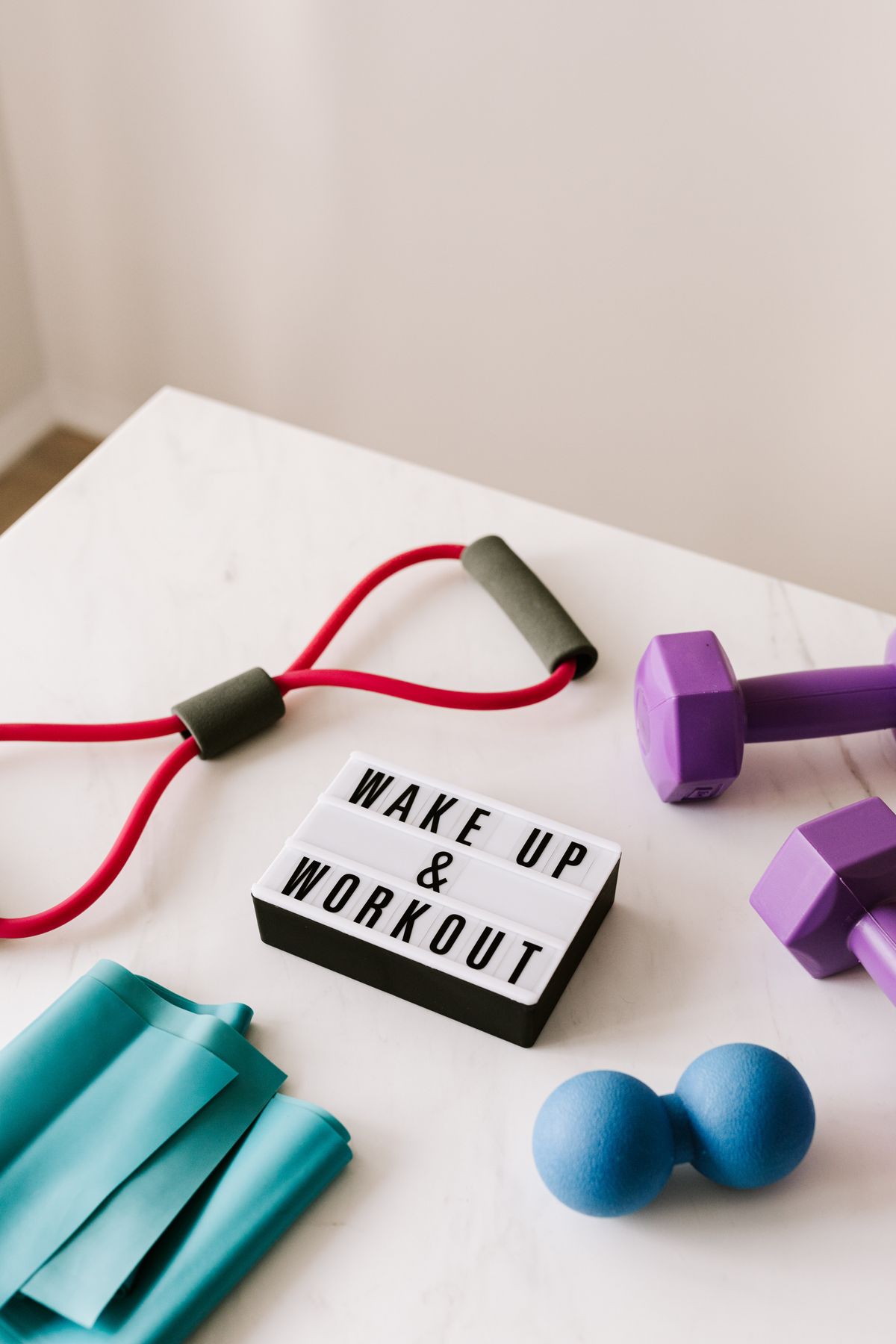
The image shows a simple mat-and-timer setup, which fits an article about choosing only equipment that makes a first beginner attempt easier to start and stop.
Article match: beginner, habit, home, minimal equipment, exercise timer, mat, space, and setup decisions. The image is exact because it shows a simple equipment context without implying diagnosis, treatment, rehab, body change, or performance outcomes. Article match: beginner, habit, home.
Image: Exercise Timer Near Mat. Author: Pexels photographer, see source page. License: Pexels License. Library: Pexels.