exercise benefits
Family Activity Benefits
How can a family understand shared activity benefits without turning play, walking, or parent-led movement into a child training plan?
Family activity is most useful when it creates a shared, low-pressure setting that different people can join safely. The practical benefit is not proving fitness for adults or children. It is choosing one activity with clear supervision, flexible roles, and an exit plan, then noticing whether the family can repeat it without turning movement into pressure.
Choose one familiar shared activity with an easy stop point, such as a short walk, playground visit, gentle dance game, ball toss, or low-pressure outdoor loop. Keep supervision, weather, space, and each person's exit option clear.
Read This First
You want a family walk, game, park visit, dance break, or weekend activity to feel easier to start, but you do not want adult workout language, body-change goals, or pressure placed on children.
Choose one familiar shared activity with an easy stop point, such as a short walk, playground visit, gentle dance game, ball toss, or low-pressure outdoor loop. Keep supervision, weather, space, and each person's exit option clear.
activity type, setting, supervision, roles, stop point, and who needed a different option
Make the next activity shorter, closer to home, less competitive, more role-flexible, easier to stop, or designed around the least-ready participant.
Treat the benefit as something to notice, not a result to chase.
Benefit pages put ordinary feedback first: energy, mood, ease, repeatability, and the moment when a claim becomes too personal for a web article.
- Name one ordinary signal before deciding whether this guide helped.
- Family Activity Benefits - The Benefit Is Shared Repeatability, Not A Family Workout: look first for activity type, setting, supervision, roles, stop point, and who needed a different option; if that signal is missing or crowded out by child distress, body shame, unsafe competition, pressure, or refusal being overridden, make the next version smaller before reading onward.
- activity type, setting, supervision, roles, stop point, and who needed a different option
- Ask a pediatrician, clinician, physical therapist, school professional, mental health professional, emergency service, or qualified fitness professional when child-specific concerns, symptoms, disability needs, medical restrictions, pregnancy, recovery, chronic disease, distress, behavior concerns, unsafe settings, or professional instructions shape the activity.
Safety Boundary
This is general education, not medical advice. Stop for warning signs and ask a qualified professional when the situation is personal, uncertain, or higher risk.
Not For
- diagnosis of a child or adult's fitness, behavior, mood, attention, sleep, pain, growth, weight, or development
- replacing a pediatrician, clinician, physical therapist, mental health professional, school professional, emergency service, or qualified fitness professional
- training children like adults, weight or body-change goals, performance plans, competitive pressure, or personal medical clearance
What To Look For
Read the page by the signal you need to understand, then choose the next page only when that signal is clearer.
Decision 1
The Benefit Is Shared Repeatability, Not A Family Workout
Family Activity Benefits - The Benefit Is Shared Repeatability, Not A Family Workout: look first for activity type, setting, supervision, roles, stop point, and who needed a different option; if that signal is missing or crowded out by child distress, body shame, unsafe competition, pressure, or refusal being overridden, make the next version smaller before reading onward.
Family activity pages can accidentally import adult workout pressure into a setting that should stay flexible and low-pressure.
The first benefit of family activity is shared repeatability. Can different people join the same movement without needing the same pace, skill, distance, mood, or goal? A family walk, playground visit, dance game, ball toss, or outdoor loop should not be judged like an adult workout.
It works when the activity has flexible roles: one person walks, one scoots, one watches, one takes photos, one rests, one chooses the next landmark. That flexibility matters because families often include different ages, sizes, attention spans, schedules, disability needs, and energy levels. If the activity only works when everyone performs the same way, it may create pressure instead of connection.
Keep the first attempt short and easy to stop. Notice whether people were willing to repeat it, whether supervision was clear, and whether the least-ready participant had an exit. the guide should help a family choose a shared setting, not prove anyone's fitness.
Your first win is that you know which version your family can repeat. The Benefit Is Shared Repeatability, Not A Family Workout should change what the reader watches next, not simply restate the guide topic. In family activity benefits, the section is useful when it turns the benefit claim in family activity benefits into a visible check: activity type, setting, supervision, roles, stop point, and who needed a different option.
If the same attempt points instead to child distress, body shame, unsafe competition, pressure, or refusal being overridden, the guide should narrow the choice, reduce the demand, or move the reader toward qualified help. CDC (Benefits of Physical Activity) and Nemours KidsHealth (Fitness and Your Child) shape this dimension without becoming instructions to copy. CDC gives this guide public-facing vocabulary and a limit on what the guide can say.
Nemours KidsHealth adds a second comparison point so the guide does not lean on one article or one phrasing pattern. The final wording should therefore stay with what can be observed, what should not be assumed, and what question belongs outside a self-directed page.
Decision 2
Let The Least-Ready Participant Set The First Version
Family Activity Benefits - Let The Least-Ready Participant Set The First Version: choose the next move from the visible signal, then direct symptoms, personal risk, or unclear safety to qualified help.
Mixed-age activity becomes safer and kinder when the first version fits the person with the lowest energy, skill, or tolerance that day.
For a family activity, the first version should fit the least-ready participant, not the most enthusiastic one. That may be a younger child, an older adult, a pregnant person, a tired caregiver, someone with disability needs, or anyone having a low-energy day. Choose the path, surface, weather, duration, and stop point around that person.
This does not mean everyone else is held back forever. It means the first attempt is readable. When the least-ready participant can stop, rest, or switch roles without shame, the family can observe whether the activity is repeatable.
Families often get into trouble when they choose a plan around the strongest member and then frame everyone else as difficult. A conservative first version prevents that. It also makes safety easier: supervision, traffic, water, heat, equipment, and crowding can be checked before enthusiasm takes over.
If personal medical or developmental context shapes the decision, ask a qualified professional. Your plan is stronger when you protect your easiest exit. Family Activity Benefits needs let the least-ready participant set the first version to answer a smaller question than "what should I do next?" Use the ordinary-life signal behind let the least-ready participant set the first version as the filter and leave with one note: the least-ready participant could stop, rest, or switch roles without shame.
If the note is only motivation, guilt, or a vague sense that more effort must be better, the section has not done its job yet. CDC (Physical Activity Guidelines) and American Heart Association (Recommendations for Physical Activity in Adults and Kids) shape this dimension without becoming instructions to copy. CDC gives this guide public-facing vocabulary and a limit on what the guide can say.
American Heart Association adds a second comparison point so the guide does not lean on one article or one phrasing pattern. The final wording should therefore stay with what can be observed, what should not be assumed, and what question belongs outside a self-directed page. If one child is tired and one adult wants a longer walk, start with a short loop and let the longer walk become a separate option.
After one attempt, the note should be plain enough to compare later: the least-ready participant could stop, rest, or switch roles without shame. If nothing useful changes, the fallback is not to push harder; it is to make the next activity shorter, closer to home, less competitive, more role-flexible, easier to stop, or designed around the least-ready participant. If the signal is mixed, change one variable: setting, path, weather window, rules, equipment, supervision, activity type, role options, or whether the activity should be indoors.
Decision 3
Make Roles Flexible Before You Add Rules
Family Activity Benefits - Make Roles Flexible Before You Add Rules: use this section to choose repeat, reduce, pause, or ask, not to prove progress; watch weather, traffic, equipment, crowding, or rules created friction.
Families may need participation options more than a structured game, especially when ages and energy levels differ. This part matters only if it changes the next visible choice instead of adding a generic reason to move.
A family activity benefits from flexible roles before it benefits from rules. One person can lead the path, one can count landmarks, one can choose music, one can carry water, one can rest, one can make up a silly movement, and one can simply walk beside the group. Flexible roles lower pressure and help children stay included without being measured.
Rules can be useful when they make play safer, but too many rules can turn shared movement into compliance. Keep the first activity easy to understand: walk to the third tree, toss a ball gently, dance for one song, visit one playground area, or choose three animal walks in the living room. Then observe who joined, who opted out, who needed help, and who wanted to repeat.
The result is not a score. It is a family signal. If the activity creates conflict, body talk, shame, unsafe competition, or distress, reduce structure and choose a gentler role-based version.
If you see pressure rising, your next role should get easier. Make Roles Flexible Before You Add Rules belongs in family activity benefits because it can separate one ordinary signal from a larger claim. For this guide, the difference between broad benefit language and today's observation matters more than finishing a routine.
The reader should finish the section knowing whether to repeat the same version, make it smaller, change the setting, or pause because traffic, water, equipment, surface, weather, or supervision risks that were not clearly managed. Nemours KidsHealth (Fitness and Your Child) and Verywell Family (Family Fitness) shape this dimension without becoming instructions to copy. Nemours KidsHealth gives this guide public-facing vocabulary and a limit on what the guide can say.
Verywell Family adds a second comparison point so the guide does not lean on one article or one phrasing pattern. The final wording should therefore stay with what can be observed, what should not be assumed, and what question belongs outside a self-directed page. During a backyard game, one child can invent rules while another keeps score with chalk and an adult watches space and safety.
After one attempt, the note should be plain enough to compare later: weather, traffic, equipment, crowding, or rules created friction. If nothing useful changes, the fallback is not to push harder; it is to make the next activity shorter, closer to home, less competitive, more role-flexible, easier to stop, or designed around the least-ready participant. If the signal is mixed, change one variable: setting, path, weather window, rules, equipment, supervision, activity type, role options, or whether the activity should be indoors.
Decision 4
Observe The Family Afterward, Not A Fitness Result
Family Activity Benefits - Observe The Family Afterward, Not A Fitness Result: look first for the family would willingly repeat a smaller or similar version; if that signal is missing or crowded out by child distress, body shame, unsafe competition, pressure, or refusal being overridden, make the next version smaller before reading onward.
The after-try module should tell families what changed without implying health, development, or behavior outcomes. This part matters only if it changes the next visible choice instead of adding a generic reason to move.
After one family activity, observe the family system rather than a fitness result. Did people know where to start and stop? Was supervision clear?
Did anyone feel pressured, left out, too hot, too tired, or unsafe? Did the activity make conversation easier, or did it create conflict? Was the path too long, the surface too difficult, the rules too confusing, or the timing too rushed?
These observations are practical. They help you adjust the next attempt without making claims about health, mood, sleep, behavior, or development. A child laughing during a game is lovely, but it is not proof of a health result.
An adult feeling more relaxed afterward is useful, but it is not a promise. Keep the notes concrete: activity, setting, roles, stop point, weather, and willingness to repeat. If the activity raised safety concerns or a child showed distress, the next step is not more intensity.
It is a safer, smaller version or qualified guidance. Your notes should tell you what to change before you add time. Observe The Family Afterward, Not A Fitness Result should change what the reader watches next, not simply restate the guide topic.
In family activity benefits, the section is useful when it turns the benefit claim in family activity benefits into a visible check: the family would willingly repeat a smaller or similar version. If the same attempt points instead to child distress, body shame, unsafe competition, pressure, or refusal being overridden, the guide should narrow the choice, reduce the demand, or move the reader toward qualified help. CDC (Benefits of Physical Activity) and Healthline (Family Fitness Ideas) shape this dimension without becoming instructions to copy.
CDC gives this guide public-facing vocabulary and a limit on what the guide can say. Healthline adds a second comparison point so the guide does not lean on one article or one phrasing pattern. The final wording should therefore stay with what can be observed, what should not be assumed, and what question belongs outside a self-directed page.
Decision 5
If It Does Not Work, Change The Setting Before The People
Family Activity Benefits - If It Does Not Work, Change The Setting Before The People: choose the next move from the visible signal, then direct symptoms, personal risk, or unclear safety to qualified help.
No-improvement guidance should avoid blaming children, caregivers, or older relatives when the activity design is wrong. This part matters only if it changes the next visible choice instead of adding a generic reason to move.
If the family activity does not work, change the setting before blaming the people. Shorten the path, move indoors, choose shade, reduce rules, lower noise, remove competition, pick a safer surface, switch from walking to a ball toss, or let one person rest while staying included. Families are complex.
A failed attempt may reflect hunger, timing, heat, traffic, overstimulation, unclear roles, sibling conflict, caregiver fatigue, or a path that was too ambitious. Those variables are easier and kinder to change than someone's motivation. Keep the next version smaller and more flexible.
If a child or adult has symptoms, pain, distress, disability needs, medical restrictions, heat concerns, or fear, pause and use qualified support. The point is not to make everyone love the same activity. The point is to find a shared movement option that can happen without pressure, shame, or unsafe improvisation.
If you feel blame rising, change your setup first. Your next version should be easier for everyone to join. Family Activity Benefits needs if it does not work, change the setting before the people to answer a smaller question than "what should I do next?" Use the ordinary-life signal behind if it does not work, change the setting before the people as the filter and leave with one note: activity type, setting, supervision, roles, stop point, and who needed a different option.
If the note is only motivation, guilt, or a vague sense that more effort must be better, the section has not done its job yet. Nemours KidsHealth (Fitness and Your Child) and Verywell Family (Family Fitness) shape this dimension without becoming instructions to copy. Nemours KidsHealth gives this guide public-facing vocabulary and a limit on what the guide can say.
Verywell Family adds a second comparison point so the guide does not lean on one article or one phrasing pattern. The final wording should therefore stay with what can be observed, what should not be assumed, and what question belongs outside a self-directed page. If a weekend bike outing collapses because traffic feels stressful, try a fenced playground walk or driveway ball game instead.
After one attempt, the note should be plain enough to compare later: activity type, setting, supervision, roles, stop point, and who needed a different option. If nothing useful changes, the fallback is not to push harder; it is to make the next activity shorter, closer to home, less competitive, more role-flexible, easier to stop, or designed around the least-ready participant. If the signal is mixed, change one variable: setting, path, weather window, rules, equipment, supervision, activity type, role options, or whether the activity should be indoors.
Decision 6
path Safety Questions Away From Benefit Language
Family Activity Benefits - path Safety Questions Away From Benefit Language: use this section to choose repeat, reduce, pause, or ask, not to prove progress; watch the least-ready participant could stop, rest, or switch roles without shame.
Family pages involve children and mixed abilities, so safety needs a clearer boundary than ordinary benefit pages. This part matters only if it changes the next visible choice instead of adding a generic reason to move.
Family activity stops being a benefit question when safety becomes the main variable. Traffic, water, heat, cold, dogs, crowds, playground equipment, cycling, swimming, stairs, medications, pregnancy, older-adult balance, child distress, disability needs, chest discomfort, severe breathlessness, dizziness, unusual pain, or inability to stop safely should change the path. In those cases, the next article should not be about benefits.
It should be about safety, supervision, or qualified guidance. This is especially important for children because adults may be tempted to interpret hesitation as attitude rather than a safety signal. Ask simple questions: can everyone stop, can everyone be seen, is the surface clear, is weather manageable, and does anyone need a different role?
If the answer is uncertain, shrink the activity or ask first. Benefit language belongs only after the setting is safe enough for a low-pressure attempt. Your safety question should come before any benefit language or next activity idea.
If you cannot answer it, your next step is safety. path Safety Questions Away From Benefit Language belongs in family activity benefits because it can separate one ordinary signal from a larger claim. For this guide, the difference between broad benefit language and today's observation matters more than finishing a routine.
The reader should finish the section knowing whether to repeat the same version, make it smaller, change the setting, or pause because traffic, water, equipment, surface, weather, or supervision risks that were not clearly managed. American Heart Association (Recommendations for Physical Activity in Adults and Kids) and MoveKind (Kids Movement Safety) shape this dimension without becoming instructions to copy. American Heart Association gives this guide public-facing vocabulary and a limit on what the guide can say.
Kids Movement Safety supplies the site link if this section becomes the reader's next decision. The final wording should therefore stay with what can be observed, what should not be assumed, and what question belongs outside a self-directed page. If a child wants to bike near traffic, the next page is safety, path choice, and supervision, not family cardio benefits.
After one attempt, the note should be plain enough to compare later: the least-ready participant could stop, rest, or switch roles without shame. If nothing useful changes, the fallback is not to push harder; it is to make the next activity shorter, closer to home, less competitive, more role-flexible, easier to stop, or designed around the least-ready participant. If the signal is mixed, change one variable: setting, path, weather window, rules, equipment, supervision, activity type, role options, or whether the activity should be indoors.
After You Try It
After one family activity, you may notice easier shared time, clearer roles, a safer path choice, or evidence that the first version was too long, too structured, or too pressured. No single activity proves a health, mood, behavior, sleep, development, fitness, or family-bonding result.
What To Observe
- activity type, setting, supervision, roles, stop point, and who needed a different option
- whether the least-ready participant could stop, rest, or switch roles without shame
- whether weather, traffic, equipment, crowding, or rules created friction
- whether the family would willingly repeat a smaller or similar version
Too Much
- child distress, body shame, unsafe competition, pressure, or refusal being overridden
- chest discomfort, faintness, severe shortness of breath, unusual pain, heat concern, or unsafe symptoms in any participant
- traffic, water, equipment, surface, weather, or supervision risks that were not clearly managed
If Nothing Improves Or It Feels Worse
Make the next activity shorter, closer to home, less competitive, more role-flexible, easier to stop, or designed around the least-ready participant.
Change one variable: setting, path, weather window, rules, equipment, supervision, activity type, role options, or whether the activity should be indoors.
Pause if the activity creates distress, pressure, body talk, unsafe competition, symptoms, heat concerns, or supervision uncertainty.
Ask a pediatrician, clinician, physical therapist, school professional, mental health professional, emergency service, or qualified fitness professional when child-specific concerns, symptoms, disability needs, medical restrictions, pregnancy, recovery, chronic disease, distress, behavior concerns, unsafe settings, or professional instructions shape the activity.
When To Stop Or Ask First
- Stop for chest discomfort, faintness, severe shortness of breath, unusual pain, distress, heat concern, confusion, loss of coordination, or unsafe symptoms in any participant.
- Ask first when child-specific concerns, disability needs, pregnancy, chronic disease, medication, illness, injury history, recovery, traffic, water, equipment, weather, or supervision risk changes the decision.
- Use this page as general education and question preparation, not medical advice, child development assessment, fitness testing, behavior guidance, body-change advice, or personal clearance.
Next Decision
Choose the next page from what you noticed, not from a harder goal.
Pick Family Walking With Kids after family activity benefits if use this path when the reader can describe activity is the clearest education signal; keep the safety boundary around symptoms, personal risk, and qualified help.
If The Setup Needs To ShrinkKids Movement SafetyUse this path when you can describe the least-ready participant could stop, rest, or switch roles without shame.Use Kids Movement Safety after family activity benefits when it clarifies which benefit is observable without overclaiming; it is general education, not personal clearance, treatment, or a program.
If Safety Is The QuestionKids Movement Through PlayUse this path when traffic, water, equipment, surface, weather, or supervision risks that were not clearly managed changes the decision.Choose Kids Movement Through Play after family activity benefits when use this path when traffic, water, equipment, surface, weather changes the setting, support, or stop point; qualified help still handles symptoms or risk.
If The Neighboring Topic FitsSocial Walking BenefitsUse this path when you can describe the family would willingly repeat a smaller or similar version.Read Social Walking Benefits after family activity benefits if social walking benefits is the better question before adding effort; keep personal risk outside self-direction.
How To Use The Source Notes
The sources support family activity as broad public education and child-aware shared movement. They do not support training plans, child fitness judgments, body goals, or promises from one family activity.
CDC and AHA anchor public-health activity framing; Nemours KidsHealth anchors child-aware play language; Healthline and Verywell Family are used only for structure comparison; internal links path family walking and kids safety.
No source is used to assess a child, prescribe activity for a family, set body goals, judge development, or clear safety risks.
the guide is organized around six family decisions: choosing the least-pressured shared activity, designing flexible roles, keeping child language playful, observing repeatability, shrinking or changing the activity, and linking safety or child-specific questions.
Practical Steps
- Choose one shared activity with a clear stop point.
- Let the least-ready participant define the first version.
- Give family members flexible roles.
- Observe willingness to repeat rather than fitness results.
- Change the setting before blaming motivation.
- path child, symptom, and safety questions away from benefit language.
Common Mistakes
- Turning family activity into an adult workout or child performance test.
- Using body, weight, or fitness language around children.
- Choosing the activity around the strongest participant.
- Adding competition when flexible roles would work better.
- Reading safety, child distress, or symptoms as motivation problems.
FAQ
Is Family Activity Benefits medical advice?
No. This page is general education and not medical advice. It does not assess child development, fitness, behavior, body, mood, sleep, symptoms, or family health.
What counts as family activity?
A short walk, playground visit, dance game, ball toss, active chore, or outdoor loop can count when it is supervised, flexible, and easy to stop.
Should every family member do the same movement?
No. Flexible roles usually work better. The first version should fit the least-ready participant and avoid pressure or shame.
What if the family activity goes poorly?
Change the setting, shorten the activity, reduce rules, add role options, or choose safety and qualified support when symptoms or distress appear.
When should family activity stop?
Stop for unsafe symptoms, child distress, heat concerns, traffic or water risk, unsafe equipment, unclear supervision, unusual pain, severe breathlessness, or faintness.
Image Source
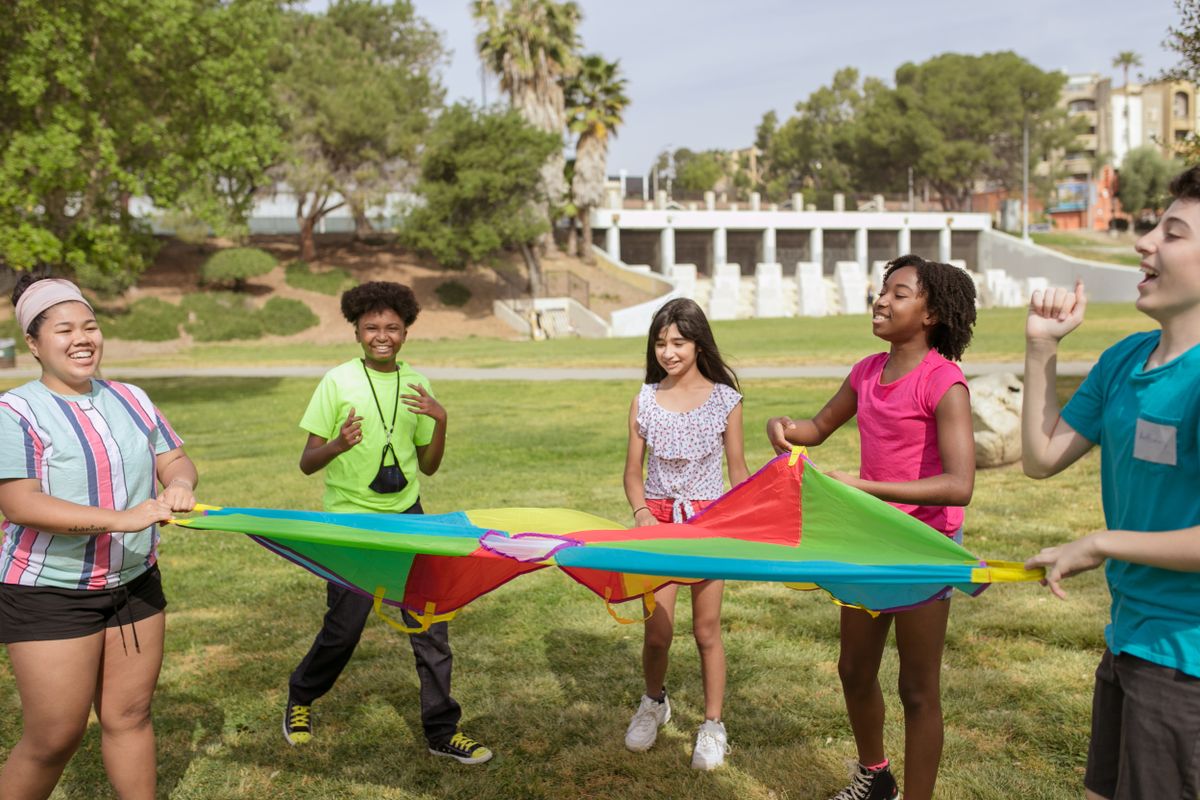
The image shows a family moving together outdoors, which fits a page about low-pressure shared activity. It is general-education context, not a claim about health or child development.
Article match: family movement, children, park setting, shared activity, play-friendly context, and supervised outdoor movement. The image fits without implying child fitness results, body goals, or a formal workout. Article match: kids, family, play, walking.
Image: Children Running At A Playground Variation 8033865. Author: Pexels photographer, see source page. License: Pexels License. Library: Pexels.