exercise benefits
Home Movement Benefits
What can home movement help you observe without turning your room, mat, or short break into a promise?
Home movement is useful when it makes movement easier to start in a familiar setting. The practical benefit is not that your living room session proves a health, mood, sleep, body, or fitness result. It is that you can test space, support, privacy, effort, and recovery, then decide whether to repeat, shrink, change room, or ask for qualified help.
Choose one clear space, one familiar movement, and one stop point. Keep the first version quiet, low-pressure, and easy to end before furniture, flooring, fatigue, or symptoms make the decision less readable.
Read This First
You want movement that does not require a gym, commute, class, or public setting, but you do not want a home page to become a routine prescription or a claim that small indoor movement changes everything.
Choose one clear space, one familiar movement, and one stop point. Keep the first version quiet, low-pressure, and easy to end before furniture, flooring, fatigue, or symptoms make the decision less readable.
room, floor, furniture, support, footwear, lighting, heat, privacy, interruptions, effort, and recovery afterward
Use less time, less range, a clearer floor, a chair or wall support, a standing option, a hallway path, or a shorter timer before adding effort.
Treat the benefit as something to notice, not a result to chase.
Benefit pages put ordinary feedback first: energy, mood, ease, repeatability, and the moment when a claim becomes too personal for a web article.
- Name one ordinary signal before deciding whether this guide helped.
- Home Movement Benefits - Home Movement Helps When The Room Lowers Friction: look first for room, floor, furniture, support, footwear, lighting, heat, privacy, interruptions, effort, and recovery afterward; if that signal is missing or crowded out by chest discomfort, faintness, severe breathlessness, unusual pain, confusion, panic, dizziness, unstable balance, or unsafe symptoms, make the next version smaller before reading onward.
- room, floor, furniture, support, footwear, lighting, heat, privacy, interruptions, effort, and recovery afterward
- Ask a clinician, physical therapist, mental health professional, emergency service, caregiver, or qualified fitness professional when symptoms, medication, pregnancy, illness, surgery, chronic disease, recovery, disability needs, balance concerns, or professional instructions shape the home movement decision.
Safety Boundary
This is general education, not medical advice. Stop for warning signs and ask a qualified professional when the situation is personal, uncertain, or higher risk.
Not For
- diagnosis of pain, fatigue, sleep, mood, balance, breath symptoms, fitness level, or medical readiness
- replacing a clinician, physical therapist, mental health professional, emergency service, or qualified fitness professional
- personal programs, rehab guidance, medical clearance, body change, weight change, performance targets, or outcome promises
What To Look For
Read the page by the signal you need to understand, then choose the next page only when that signal is clearer.
Decision 1
Home Movement Helps When The Room Lowers Friction
Home Movement Benefits - Home Movement Helps When The Room Lowers Friction: look first for room, floor, furniture, support, footwear, lighting, heat, privacy, interruptions, effort, and recovery afterward; if that signal is missing or crowded out by chest discomfort, faintness, severe breathlessness, unusual pain, confusion, panic, dizziness, unstable balance, or unsafe symptoms, make the next version smaller before reading onward.
Home pages can overpromise because the setting feels convenient, private, and easy to repeat. This part matters only if it changes the next visible choice instead of adding a generic reason to move.
The first useful home movement question is not whether moving at home is better than a gym, class, or outdoor path. It is whether your room lowers enough friction for one clear attempt. A living room, hallway, kitchen, bedroom, or small floor space can make movement easier to start because you do not need a commute, class schedule, or audience.
That is a practical benefit, but it is not proof of a health, mood, sleep, body, or fitness result. Notice the real home details around you: furniture, flooring, pets, children, heat, privacy, noise, lighting, shoes, and the ability to stop. If the room makes one modest movement easier to begin and leaves the rest of your day usable, it gave you useful information.
If clutter, slippery flooring, embarrassment, or interruption makes the attempt noisy, your next version should change the setup rather than add effort. The home setting is valuable only when it makes your next decision clearer. Home Movement Helps When The Room Lowers Friction should change what the reader watches next, not simply restate the guide topic.
In home movement benefits, the section is useful when it turns the benefit claim in home movement benefits into a visible check: room, floor, furniture, support, footwear, lighting, heat, privacy, interruptions, effort, and recovery afterward. If the same attempt points instead to chest discomfort, faintness, severe breathlessness, unusual pain, confusion, panic, dizziness, unstable balance, or unsafe symptoms, the guide should narrow the choice, reduce the demand, or move the reader toward qualified help. CDC (Benefits of Physical Activity) and CDC (Adding Physical Activity as an Adult) shape this dimension without becoming instructions to copy.
CDC gives this guide public-facing vocabulary and a limit on what the guide can say. CDC adds a second comparison point so the guide does not lean on one article or one phrasing pattern. The final wording should therefore stay with what can be observed, what should not be assumed, and what question belongs outside a self-directed page.
Decision 2
One Clear Home Attempt Beats A Whole Routine
Home Movement Benefits - One Clear Home Attempt Beats A Whole Routine: choose the next move from the visible signal, then direct symptoms, personal risk, or unclear safety to qualified help.
A home setting can make people jump from interest to a full routine before they know what actually fits.
Start with one clear home attempt, not a full routine. Name your movement, room, surface, support, time window, and stop point before you begin. That might be a hallway walk, a seated mobility break, a few wall-supported movements, or one short stretch sequence.
The point is to make the attempt specific enough for you to compare. Afterward, ask what the home setting changed for you. Did it remove commute friction?
Did it make privacy helpful or isolating? Did the floor, furniture, or noise make the movement harder to judge? Did you still have enough energy for the next ordinary task?
Your notes matter more than a large plan. A full routine can hide the useful detail because too many variables change at once. One attempt lets you adjust one thing next time: room, movement, time, support, range, or duration.
If the attempt felt wrong, you have a clean reason to make it smaller instead of blaming motivation. Home Movement Benefits needs one clear home attempt beats a whole routine to answer a smaller question than "what should I do next?" Use the ordinary-life signal behind one clear home attempt beats a whole routine as the filter and leave with one note: home movement solved a movement opportunity or made the setting harder to use. If the note is only motivation, guilt, or a vague sense that more effort must be better, the section has not done its job yet.
NHS (Exercise) and Healthline (How to Start Exercising: A Beginner's Guide to Working Out) shape this dimension without becoming instructions to copy. NHS gives this guide public-facing vocabulary and a limit on what the guide can say. Healthline adds a second comparison point so the guide does not lean on one article or one phrasing pattern.
The final wording should therefore stay with what can be observed, what should not be assumed, and what question belongs outside a self-directed page. Write down: hallway walk, six minutes, socks felt slippery, chair nearby helped, stopped before the next call. After one attempt, the note should be plain enough to compare later: home movement solved a movement opportunity or made the setting harder to use.
If nothing useful changes, the fallback is not to push harder; it is to use less time, less range, a clearer floor, a chair or wall support, a standing option, a hallway path, or a shorter timer before adding effort. If the signal is mixed, change one variable: room, surface, footwear, support, time of day, movement type, privacy, lighting, heat, or whether home is the right setting.
Decision 3
Floor, Furniture, And Support Decide The First Version
Home Movement Benefits - Floor, Furniture, And Support Decide The First Version: use this section to choose repeat, reduce, pause, or ask, not to prove progress; watch the same room and movement could repeat tomorrow without pressure.
Indoor movement can look simple while surfaces, clutter, and support quietly change the risk and usefulness. This part matters only if it changes the next visible choice instead of adding a generic reason to move.
A home movement attempt depends on your room more than the idea of exercising at home. Check your floor, rug edges, furniture corners, lighting, heat, footwear, nearby support, and whether you can stop without stepping over obstacles. A movement that works on a mat may not work on a slippery floor.
A hallway walk may be fine until pets, children, laundry, or cables make your path less clear. A wall-supported option may be more readable than floor movement if getting down and up adds too much friction. This is why your first version should follow the room, not a video or a preset plan.
If the room is not clear, choose a smaller movement near a chair or wait. If breath, dizziness, pain, panic, or unstable balance appears, being home does not make the warning sign less important. Support is part of the benefit only when it keeps your attempt controllable.
Floor, Furniture, And Support Decide The First Version belongs in home movement benefits because it can separate one ordinary signal from a larger claim. For this guide, the difference between broad benefit language and today's observation matters more than finishing a routine. The reader should finish the section knowing whether to repeat the same version, make it smaller, change the setting, or pause because the attempt worsened fatigue, pain, breath, mood, sleep, confidence, or the rest of the day.
MedlinePlus (Exercise and Physical Fitness) and Mayo Clinic (Fitness Basics) shape this dimension without becoming instructions to copy. MedlinePlus gives this guide public-facing vocabulary and a limit on what the guide can say. Mayo Clinic adds a second comparison point so the guide does not lean on one article or one phrasing pattern.
The final wording should therefore stay with what can be observed, what should not be assumed, and what question belongs outside a self-directed page. If the rug slips during a mobility break, the next useful change is a clearer floor or chair-supported movement, not more minutes. After one attempt, the note should be plain enough to compare later: the same room and movement could repeat tomorrow without pressure.
If nothing useful changes, the fallback is not to push harder; it is to use less time, less range, a clearer floor, a chair or wall support, a standing option, a hallway path, or a shorter timer before adding effort. If the signal is mixed, change one variable: room, surface, footwear, support, time of day, movement type, privacy, lighting, heat, or whether home is the right setting.
Decision 4
Privacy Can Help, But It Can Also Hide Pressure
Home Movement Benefits - Privacy Can Help, But It Can Also Hide Pressure: look first for a walk, desk break, beginner page, scale-down page, or safety page is the cleaner next step; if that signal is missing or crowded out by chest discomfort, faintness, severe breathlessness, unusual pain, confusion, panic, dizziness, unstable balance, or unsafe symptoms, make the next version smaller before reading onward.
Home movement can feel emotionally easier, but privacy can also make it easier to ignore discomfort or overdo a plan.
Privacy is one reason home movement can feel more approachable. You may feel less watched, less rushed, and less compared with other people. That can make a first attempt easier to begin.
Still, privacy is not automatically a benefit. It can also hide pressure. You might keep going because nobody sees that you are tired, copy a video that does not fit the room, or ignore warning signs because stopping feels like a private failure.
The better use of privacy is to make observation easier: choose a movement you can pause, write down what changed, and repeat only if the same small version still fits. If home movement helps confidence, frame that as a social or emotional observation, not a proof of fitness or mental health change. If being alone makes symptoms, panic, or uncertainty feel larger, use a ask-first page or ask for help before repeating.
For you, the useful note is whether privacy made stopping easier or made pressure quieter but harder to see. Privacy Can Help, But It Can Also Hide Pressure should change what the reader watches next, not simply restate the guide topic. In home movement benefits, the section is useful when it turns the benefit claim in home movement benefits into a visible check: a walk, desk break, beginner page, scale-down page, or safety page is the cleaner next step.
If the same attempt points instead to chest discomfort, faintness, severe breathlessness, unusual pain, confusion, panic, dizziness, unstable balance, or unsafe symptoms, the guide should narrow the choice, reduce the demand, or move the reader toward qualified help. CDC (Benefits of Physical Activity) and ACE Fitness (Exercise Library) shape this dimension without becoming instructions to copy. CDC gives this guide public-facing vocabulary and a limit on what the guide can say.
ACE Fitness adds a second comparison point so the guide does not lean on one article or one phrasing pattern. The final wording should therefore stay with what can be observed, what should not be assumed, and what question belongs outside a self-directed page.
Decision 5
If Nothing Changes, Change The Room Variable
Home Movement Benefits - If Nothing Changes, Change The Room Variable: choose the next move from the visible signal, then direct symptoms, personal risk, or unclear safety to qualified help.
A no-change home attempt should not automatically become a longer or harder indoor session. This part matters only if it changes the next visible choice instead of adding a generic reason to move.
If home movement does not feel useful, change the room variable before adding effort. Try a different room, clearer floor, shoes instead of socks, a chair nearby, a shorter timer, an earlier time of day, a standing option instead of floor work, or a hallway path instead of a mat. More minutes may hide the real issue.
The problem might be clutter, poor timing, a video pace, household interruptions, lack of fresh air, heat, or the fact that your movement was not specific enough to compare. A smaller home version gives you cleaner information. If no home version feels useful, your next step may be a walk, desk break, social movement, or beginner safety page rather than more home effort.
If the attempt worsens pain, breath, dizziness, panic, fatigue, or uncertainty, pause and use qualified help when appropriate. You are not trying to make home movement work at any cost; you are learning whether this setting helps. Home Movement Benefits needs if nothing changes, change the room variable to answer a smaller question than "what should I do next?" Use the ordinary-life signal behind if nothing changes, change the room variable as the filter and leave with one note: room, floor, furniture, support, footwear, lighting, heat, privacy, interruptions, effort, and recovery afterward.
If the note is only motivation, guilt, or a vague sense that more effort must be better, the section has not done its job yet. CDC (Adding Physical Activity as an Adult) and Healthline (How to Start Exercising: A Beginner's Guide to Working Out) shape this dimension without becoming instructions to copy. CDC gives this guide public-facing vocabulary and a limit on what the guide can say.
Healthline adds a second comparison point so the guide does not lean on one article or one phrasing pattern. The final wording should therefore stay with what can be observed, what should not be assumed, and what question belongs outside a self-directed page. If living-room movement feels dull and hard to repeat, try one hallway loop or an outdoor walk before making the indoor version longer.
After one attempt, the note should be plain enough to compare later: room, floor, furniture, support, footwear, lighting, heat, privacy, interruptions, effort, and recovery afterward. If nothing useful changes, the fallback is not to push harder; it is to use less time, less range, a clearer floor, a chair or wall support, a standing option, a hallway path, or a shorter timer before adding effort. If the signal is mixed, change one variable: room, surface, footwear, support, time of day, movement type, privacy, lighting, heat, or whether home is the right setting.
Decision 6
Warning Signs Still Override The Home Plan
Home Movement Benefits - Warning Signs Still Override The Home Plan: use this section to choose repeat, reduce, pause, or ask, not to prove progress; watch home movement solved a movement opportunity or made the setting harder to use.
Being at home can make a reader feel in control even when the right choice is to stop or ask for help.
Warning signs override your home plan because location does not change the boundary. If chest discomfort, faintness, severe shortness of breath, unusual pain, confusion, dizziness, panic, loss of coordination, unstable balance, or feeling unable to stop appears, you should stop reading the moment as a benefit question. Your next decision is to stop, sit or steady yourself when appropriate, tell someone nearby if needed, use qualified help, or use emergency support when the situation calls for it.
Do not finish a video because it has two minutes left. Do not keep moving because the room is private. Do not use a chair, mat, or wall as permission to continue after a signal that feels unsafe.
This boundary is especially important when medication changes, pregnancy, illness, surgery, recovery, chronic disease, or professional instructions shape your decision. Home movement is useful only while it stays controllable and easy to exit. For you, the useful record is the first signal that changed the plan and who could help if it appears again.
Warning Signs Still Override The Home Plan belongs in home movement benefits because it can separate one ordinary signal from a larger claim. For this guide, the difference between broad benefit language and today's observation matters more than finishing a routine. The reader should finish the section knowing whether to repeat the same version, make it smaller, change the setting, or pause because the attempt worsened fatigue, pain, breath, mood, sleep, confidence, or the rest of the day.
MedlinePlus (Exercise and Physical Fitness) and MoveKind (When To Stop Exercising) shape this dimension without becoming instructions to copy. MedlinePlus gives this guide public-facing vocabulary and a limit on what the guide can say. When To Stop Exercising supplies the site link if this section becomes the reader's next decision.
The final wording should therefore stay with what can be observed, what should not be assumed, and what question belongs outside a self-directed page. If dizziness appears during a hallway walk, the next decision is stopping and using a ask-first page, not finishing the timer. After one attempt, the note should be plain enough to compare later: home movement solved a movement opportunity or made the setting harder to use.
If nothing useful changes, the fallback is not to push harder; it is to use less time, less range, a clearer floor, a chair or wall support, a standing option, a hallway path, or a shorter timer before adding effort. If the signal is mixed, change one variable: room, surface, footwear, support, time of day, movement type, privacy, lighting, heat, or whether home is the right setting.
After You Try It
After one small home movement attempt, you may notice whether the room lowered friction, whether the setup felt repeatable, whether privacy helped, or whether the space added too much noise. No single home attempt proves a health, body, mood, sleep, or fitness result.
What To Observe
- room, floor, furniture, support, footwear, lighting, heat, privacy, interruptions, effort, and recovery afterward
- whether home movement solved a movement opportunity or made the setting harder to use
- whether the same room and movement could repeat tomorrow without pressure
- whether a walk, desk break, beginner page, scale-down page, or safety page is the cleaner next step
Too Much
- chest discomfort, faintness, severe breathlessness, unusual pain, confusion, panic, dizziness, unstable balance, or unsafe symptoms
- slippery floor, clutter, poor lighting, no clear stop point, or feeling unable to stop comfortably
- the attempt worsened fatigue, pain, breath, mood, sleep, confidence, or the rest of the day
If Nothing Improves Or It Feels Worse
Use less time, less range, a clearer floor, a chair or wall support, a standing option, a hallway path, or a shorter timer before adding effort.
Change one variable: room, surface, footwear, support, time of day, movement type, privacy, lighting, heat, or whether home is the right setting.
Pause when home movement worsens breath, chest feelings, dizziness, pain, panic, balance, fatigue, mood, sleep, or uncertainty.
Ask a clinician, physical therapist, mental health professional, emergency service, caregiver, or qualified fitness professional when symptoms, medication, pregnancy, illness, surgery, chronic disease, recovery, disability needs, balance concerns, or professional instructions shape the home movement decision.
When To Stop Or Ask First
- Stop for chest discomfort, faintness, severe shortness of breath, unusual pain, panic, confusion, loss of coordination, dizziness, unstable balance, or symptoms that feel unsafe.
- Ask first when medication, pregnancy, chronic disease, illness, surgery, recovery, disability needs, balance concerns, known heart concerns, or professional instructions change the decision.
- Use home movement as general education and observation, not medical advice, diagnosis, treatment, rehab, personal clearance, or a home exercise plan.
Next Decision
Choose the next page from what you noticed, not from a harder goal.
Pick Benefits Of Exercise For Beginners after home movement benefits if use this path when the reader can describe room is the clearest education signal; keep the safety boundary around symptoms, personal risk, and qualified help.
If The Setup Needs To ShrinkHow Movement Can Support Daily EnergyUse this path when you can describe home movement solved a movement opportunity or made the setting harder to use.Use How Movement Can Support Daily Energy after home movement benefits when it clarifies which benefit is observable without overclaiming; it is general education, not personal clearance, treatment, or a program.
If Safety Is The QuestionExercise Safety BasicsUse this path when the attempt worsened fatigue, pain, breath, mood, sleep, confidence, or the rest of the day changes the decision.Choose Exercise Safety Basics after home movement benefits when use this path when the attempt worsened fatigue, pain changes the setting, support, or stop point; qualified help still handles symptoms or risk.
If The Neighboring Topic FitsExercise And Mood: A Plain-English GuideUse this path when you can describe a walk, desk break, beginner page, scale-down page, or safety page is the cleaner next step.Read Exercise And Mood: A Plain-English Guide after home movement benefits if exercise and mood: a plain-english guide is the better question before adding effort; keep personal risk outside self-direction.
How To Use The Source Notes
The sources support home movement as one manageable way to add physical activity and observe fit, but they do not support home movement as a substitute for qualified guidance or a promise of health, mood, sleep, body, or fitness outcomes.
CDC, NHS, MedlinePlus, and Mayo Clinic anchor public activity education; Healthline and ACE are used only for beginner-question and movement-vocabulary coverage; MoveKind internal links path beginner benefit and stop-sign decisions.
No source is used to prescribe your personal home routine, interpret symptoms, promise results, clear medical risk, or tell you to copy the pictured movement.
the guide is organized around six decisions: choosing the room, making the first attempt observable, checking floor and support, separating privacy from pressure, reducing the home version when nothing changes, and linking safety or beginner questions.
Practical Steps
- Choose your room and one clear floor area.
- Name your movement and stop point before starting.
- Keep your first version short enough to notice the room, effort, and exit.
- Record your room setup, floor, support, privacy, and recovery separately.
- Change one room variable before you repeat.
- Use safety or qualified help when symptoms or personal context change the decision.
Common Mistakes
- Framing home movement as a full routine before one room has been tested.
- Ignoring flooring, clutter, furniture, pets, children, or heat.
- Using privacy as a reason to push through discomfort.
- Adding a video pace when the first attempt is still unclear.
- Continuing a home plan after warning signs appear.
FAQ
Is Home Movement Benefits medical advice?
No. Use this page as general education, not medical advice. It helps you observe room, floor, support, and stop points; it does not diagnose symptoms, choose care, give rehab guidance, or clear personal risk.
Does home movement have to be a full workout?
No. A first attempt can be a hallway walk, chair-supported mobility break, short stretch, or simple movement with a clear stop point.
What should you notice after home movement?
Notice your room, floor, support, privacy, effort, interruptions, stop point, and whether the same version feels repeatable tomorrow.
What if home movement does not help?
Change one room variable or make the version smaller before adding effort. Ask qualified help when symptoms or personal risk are involved.
When should I stop home movement?
Stop for chest discomfort, faintness, severe breathlessness, dizziness, unusual pain, panic, unstable balance, or symptoms that feel unsafe.
Image Source
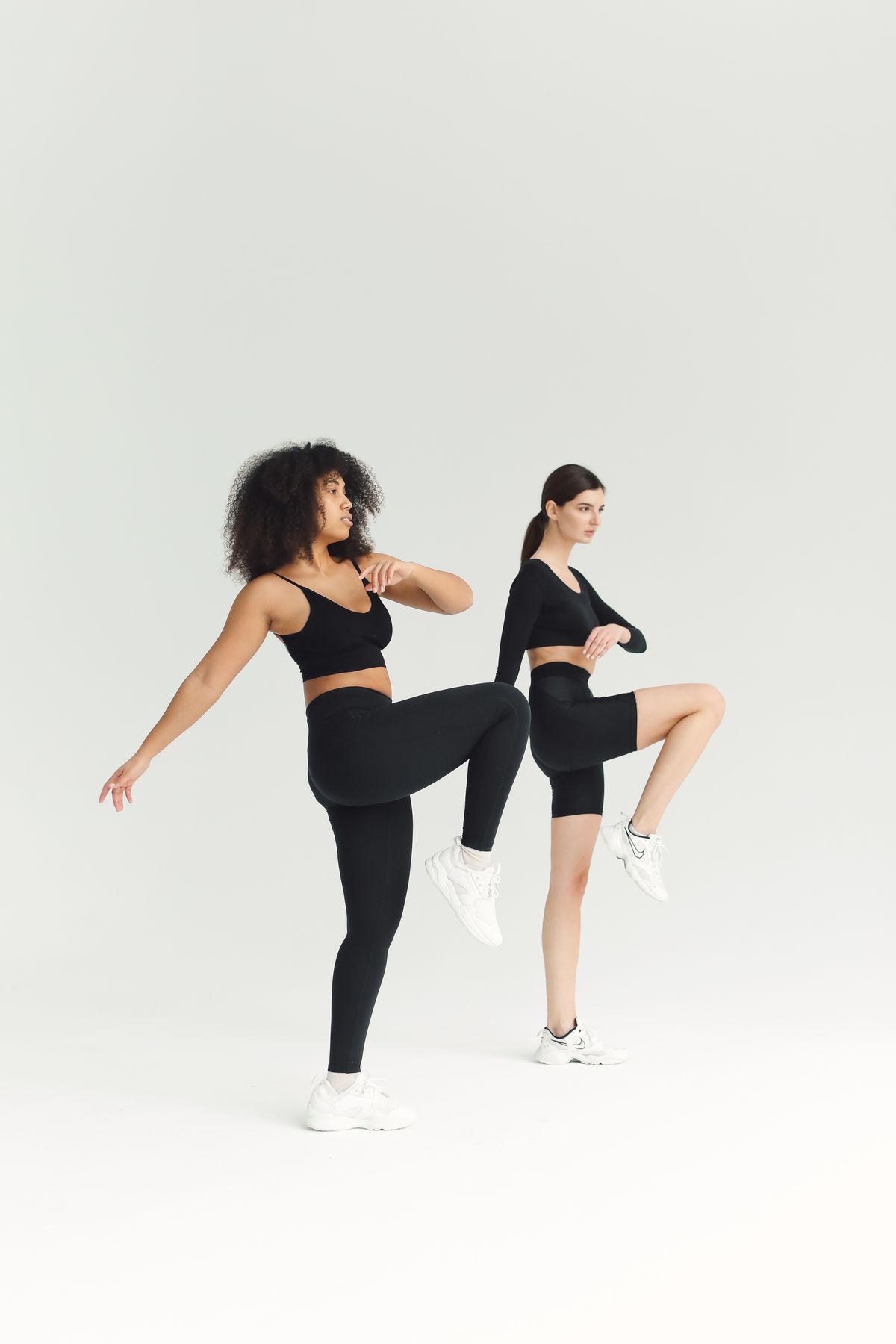
The image shows an indoor mobility setting, which fits a page about checking room, floor, support, and stop points before repeating home movement. It is general-education context, not proof of a result.
Article match: person doing hip mobility on a mat in a home-like setting, visible floor space, and indoor movement context. The image is a close fit because it shows home mobility without implying medical, body, mood, or performance results. Article match: home, mobility.
Image: Person Stretching On A Mat Variation 6516216. Author: Pexels photographer, see source page. License: Pexels License. Library: Pexels.