exercise benefits
Ten-Minute Session Benefits
What can a ten-minute movement session help a reader decide without turning a short timer into a promise?
A ten-minute session is useful because it gives movement a clear container. The practical benefit is not that ten minutes proves a health, body, mood, or fitness result. It is that the reader can try one small version, notice effort and recovery, then decide whether to repeat, shorten, move the time window, or ask for qualified help when personal risk is involved.
Choose one familiar movement with a timer, a stop point, and an easy exit. Keep the first version conversational and small enough that the rest of the day remains usable.
Read This First
You want a short session that fits a crowded day, but you do not want a magic-minute rule, a pressure routine, or a claim that a tiny block changes everything. The useful way into this guide is ten minutes is a container, not a magic line: name the setting, the signal you can observe, and the line where the guide should stop instead of becoming personal advice.
Choose one familiar movement with a timer, a stop point, and an easy exit. Keep the first version conversational and small enough that the rest of the day remains usable.
movement type, time window, stop point, effort, and the first few minutes afterward
Make the next version shorter, slower, flatter, closer to home, seated or supported if needed, and easier to stop before the timer ends.
Treat the benefit as something to notice, not a result to chase.
Benefit pages put ordinary feedback first: energy, mood, ease, repeatability, and the moment when a claim becomes too personal for a web article.
- Name one ordinary signal before deciding whether this guide helped.
- Ten-Minute Session Benefits - Ten Minutes Is A Container, Not A Magic Line: look first for movement type, time window, stop point, effort, and the first few minutes afterward; if that signal is missing or crowded out by chest discomfort, faintness, severe breathlessness, unusual pain, confusion, panic, or unsafe symptoms, make the next version smaller before reading onward.
- movement type, time window, stop point, effort, and the first few minutes afterward
- Ask a clinician, physical therapist, mental health professional, emergency service, workplace support, or qualified fitness professional when symptoms, medication, pregnancy, illness, surgery, chronic disease, recovery, disability needs, or professional instructions shape the decision.
Safety Boundary
This is general education, not medical advice. Stop for warning signs and ask a qualified professional when the situation is personal, uncertain, or higher risk.
Not For
- diagnosis of fatigue, pain, breath symptoms, mood, sleep, fitness level, heart risk, or medical readiness
- replacing a clinician, physical therapist, mental health professional, emergency service, or qualified fitness professional
- personal programs, recovery instructions, body change, weight change, performance targets, or outcome promises
What To Look For
Read the page by the signal you need to understand, then choose the next page only when that signal is clearer.
Decision 1
Ten Minutes Is A Container, Not A Magic Line
Ten-Minute Session Benefits - Ten Minutes Is A Container, Not A Magic Line: look first for movement type, time window, stop point, effort, and the first few minutes afterward; if that signal is missing or crowded out by chest discomfort, faintness, severe breathlessness, unusual pain, confusion, panic, or unsafe symptoms, make the next version smaller before reading onward.
Short-session pages often overpromise by making one number sound more powerful than the reader's actual decision. This part matters only if it changes the next visible choice instead of adding a generic reason to move.
The most useful thing about ten minutes is that it gives movement a beginning and an end. It is not a magic line where a short session suddenly becomes health-changing, body-changing, or automatically enough for everyone. A ten-minute container helps because it is small enough to place in a real day and clear enough to compare.
You can ask what happened before, during, and after the block. Did it interrupt sitting? Did it help you start the next task?
Did it feel easy to stop when the timer ended? Did the rest of the day stay usable? Those are practical signals.
They help you decide whether the same container should repeat, shrink, move earlier, or become a safety question. This keeps the guide from becoming a promise about minutes. The number is useful only when it makes the next decision clearer and keeps pressure low.
That makes the session practical rather than symbolic. Ten Minutes Is A Container, Not A Magic Line should change what the reader watches next, not simply restate the guide topic. In ten-minute session benefits, the section is useful when it turns the benefit claim in ten-minute session benefits into a visible check: movement type, time window, stop point, effort, and the first few minutes afterward.
If the same attempt points instead to chest discomfort, faintness, severe breathlessness, unusual pain, confusion, panic, or unsafe symptoms, the guide should narrow the choice, reduce the demand, or move the reader toward qualified help. CDC (Benefits of Physical Activity) and CDC (Adding Physical Activity as an Adult) shape this dimension without becoming instructions to copy. CDC gives this guide public-facing vocabulary and a limit on what the guide can say.
CDC adds a second comparison point so the guide does not lean on one article or one phrasing pattern. The final wording should therefore stay with what can be observed, what should not be assumed, and what question belongs outside a self-directed page.
Decision 2
Set The Stop Point Before The Timer Starts
Ten-Minute Session Benefits - Set The Stop Point Before The Timer Starts: choose the next move from the visible signal, then direct symptoms, personal risk, or unclear safety to qualified help.
A short session can still become too large when the reader starts without knowing how to end it.
Before you start a ten-minute session, decide how it ends. The stop point might be the timer, the front door, the end of one hallway loop, the last gentle mobility movement, or the place where you can sit down and write a note. This matters because short sessions can create momentum.
You may feel tempted to add pace, stairs, extra repetitions, or another path because the first few minutes felt fine. A clear stop point protects the experiment. It lets you notice whether the chosen version was repeatable while avoiding a performance test.
It also makes safety easier to see. If breath, dizziness, pain, chest discomfort, panic, or unstable balance appears, the stop point moves earlier. The timer is not the authority; the body signal and setting are.
A ten-minute session is successful when it leaves you with information and options, not when it proves you can finish every minute. Ten-Minute Session Benefits needs set the stop point before the timer starts to answer a smaller question than "what should I do next?" Use the ordinary-life signal behind set the stop point before the timer starts as the filter and leave with one note: the session fit the rest of the day without needing extra recovery or pressure. If the note is only motivation, guilt, or a vague sense that more effort must be better, the section has not done its job yet.
MedlinePlus (Exercise and Physical Fitness) and American Heart Association (Recommendations for Physical Activity in Adults and Kids) shape this dimension without becoming instructions to copy. MedlinePlus gives this guide public-facing vocabulary and a limit on what the guide can say. American Heart Association adds a second comparison point so the guide does not lean on one article or one phrasing pattern.
The final wording should therefore stay with what can be observed, what should not be assumed, and what question belongs outside a self-directed page. If the plan is one easy block walk, the stop point can be the first return home, not the timer if weather or breath changes sooner. After one attempt, the note should be plain enough to compare later: the session fit the rest of the day without needing extra recovery or pressure.
If nothing useful changes, the fallback is not to push harder; it is to make the next version shorter, slower, flatter, closer to home, seated or supported if needed, and easier to stop before the timer ends. If the signal is mixed, change one variable: time window, movement type, setting, stop point, effort, path, or whether the session is attached to an existing cue.
Decision 3
Use The First Minutes To Read Effort
Ten-Minute Session Benefits - Use The First Minutes To Read Effort: use this section to choose repeat, reduce, pause, or ask, not to prove progress; watch the timer made the choice easier or made you argue with symptoms and schedule limits.
A timer can hide effort if the reader focuses only on completing the block. This part matters only if it changes the next visible choice instead of adding a generic reason to move.
The first few minutes are there to read effort, not to prove commitment. Notice whether your pace stays conversational, whether your breathing feels familiar, whether the movement still has an easy exit, and whether the setting makes stopping simple. If the session is a walk, the first signal might be path and breath.
If it is a home mobility break, the signal might be range and comfort. If it is a gentle strength or stair option, the signal might be whether legs, balance, and breathing stay readable. This is why a ten-minute benefit page should not jump straight into harder movement.
The short container is valuable because it lets you notice effort before the session becomes noisy. If effort climbs too quickly, reduce the version right away. If effort stays easy, record that before adding time another day.
The point is to learn the scale that fits, not to earn the timer. Use The First Minutes To Read Effort belongs in ten-minute session benefits because it can separate one ordinary signal from a larger claim. For this guide, the difference between broad benefit language and today's observation matters more than finishing a routine.
The reader should finish the section knowing whether to repeat the same version, make it smaller, change the setting, or pause because the timer made stopping harder instead of easier. NHS (Exercise) and Healthline (How to Start Exercising: A Beginner's Guide to Working Out) shape this dimension without becoming instructions to copy. NHS gives this guide public-facing vocabulary and a limit on what the guide can say.
Healthline adds a second comparison point so the guide does not lean on one article or one phrasing pattern. The final wording should therefore stay with what can be observed, what should not be assumed, and what question belongs outside a self-directed page. If the first three minutes already make talking difficult, make the next version slower, flatter, shorter, or more supported.
After one attempt, the note should be plain enough to compare later: the timer made the choice easier or made you argue with symptoms and schedule limits. If nothing useful changes, the fallback is not to push harder; it is to make the next version shorter, slower, flatter, closer to home, seated or supported if needed, and easier to stop before the timer ends. If the signal is mixed, change one variable: time window, movement type, setting, stop point, effort, path, or whether the session is attached to an existing cue.
Decision 4
A Short Session Counts When It Fits The Rest Of The Day
Ten-Minute Session Benefits - A Short Session Counts When It Fits The Rest Of The Day: look first for the next version should repeat, shrink, move earlier, or become a safety question; if that signal is missing or crowded out by chest discomfort, faintness, severe breathlessness, unusual pain, confusion, panic, or unsafe symptoms, make the next version smaller before reading onward.
The value of a short session is often seen afterward, when the reader learns whether the day still works.
A ten-minute session counts when it fits the day it lives inside. The after-effect matters as much as the session. Did you return to work, errands, caregiving, study, or sleep preparation with enough energy and attention left?
Did the session require a long recovery, a shower, extra planning, or a level of motivation that will be hard to repeat? Did it interrupt sitting in a useful way without taking over the schedule? A short movement block should leave the day more readable, not more crowded.
This is different from calling the session a workout replacement or a guaranteed benefit. It is a practical fit test. A useful first version may be quiet, easy, and almost boring because it leaves options open.
If ten minutes crowds out meals, medication timing, rest, family needs, or sleep, the next version is too large or badly placed. The best short session respects the day around it. A Short Session Counts When It Fits The Rest Of The Day should change what the reader watches next, not simply restate the guide topic.
In ten-minute session benefits, the section is useful when it turns the benefit claim in ten-minute session benefits into a visible check: the next version should repeat, shrink, move earlier, or become a safety question. If the same attempt points instead to chest discomfort, faintness, severe breathlessness, unusual pain, confusion, panic, or unsafe symptoms, the guide should narrow the choice, reduce the demand, or move the reader toward qualified help. CDC (Adding Physical Activity as an Adult) and Verywell Fit (10-Minute Workouts) shape this dimension without becoming instructions to copy.
CDC gives this guide public-facing vocabulary and a limit on what the guide can say. Verywell Fit adds a second comparison point so the guide does not lean on one article or one phrasing pattern. The final wording should therefore stay with what can be observed, what should not be assumed, and what question belongs outside a self-directed page.
Decision 5
If Nothing Changes, Move The Time Window First
Ten-Minute Session Benefits - If Nothing Changes, Move The Time Window First: choose the next move from the visible signal, then direct symptoms, personal risk, or unclear safety to qualified help.
The no-change path should prevent the reader from making a ten-minute session harder before checking timing. This part matters only if it changes the next visible choice instead of adding a generic reason to move.
If ten minutes does not feel useful, change the time window before you make the movement harder. Try earlier in the day, before the task that usually stalls, after a sitting block, between errands, or closer to the moment when you already stand up. A short session can fail because it was placed after exhaustion, near bedtime, in the wrong setting, or too far from the real cue.
More effort may only add noise. Moving the time window makes the next observation cleaner. If no timing helps, the issue may be sleep, workload, stress, symptoms, recovery, hunger, environment, or expectations rather than the movement itself.
In that case, the guide should help you organize the question, not push you into a bigger session. If the session makes symptoms or worry worse, pause and use safety or qualified help. A no-change result is still useful if it tells you which variable to test next.
Ten-Minute Session Benefits needs if nothing changes, move the time window first to answer a smaller question than "what should I do next?" Use the ordinary-life signal behind if nothing changes, move the time window first as the filter and leave with one note: movement type, time window, stop point, effort, and the first few minutes afterward. If the note is only motivation, guilt, or a vague sense that more effort must be better, the section has not done its job yet. Healthline (How to Start Exercising: A Beginner's Guide to Working Out) and Verywell Fit (10-Minute Workouts) shape this dimension without becoming instructions to copy.
Healthline is used here for reader-question coverage and article structure, not as proof of a health outcome. Verywell Fit adds a second comparison point so the guide does not lean on one article or one phrasing pattern. The final wording should therefore stay with what can be observed, what should not be assumed, and what question belongs outside a self-directed page.
If a late ten-minute session leaves you wired, test an earlier five-minute version before adding pace or another round. After one attempt, the note should be plain enough to compare later: movement type, time window, stop point, effort, and the first few minutes afterward. If nothing useful changes, the fallback is not to push harder; it is to make the next version shorter, slower, flatter, closer to home, seated or supported if needed, and easier to stop before the timer ends.
If the signal is mixed, change one variable: time window, movement type, setting, stop point, effort, path, or whether the session is attached to an existing cue.
Decision 6
The Next Page Should Follow What The Timer Revealed
Ten-Minute Session Benefits - The Next Page Should Follow What The Timer Revealed: use this section to choose repeat, reduce, pause, or ask, not to prove progress; watch the session fit the rest of the day without needing extra recovery or pressure.
A short-session article needs links that path the reader by decision, not by generic topic similarity. This part matters only if it changes the next visible choice instead of adding a generic reason to move.
After one ten-minute session, choose the next page from what the timer revealed. If the block felt too large, the next decision is scale-down. If the effort was hard to describe, the next decision is talk-test literacy.
If the useful part was interrupting sitting, the next page should be about active breaks. If the useful part was beginner confidence, read the beginner version before adding another session. If symptoms, unsafe feelings, or personal medical context shaped the attempt, move to safety or qualified help before another benefit page.
This makes internal links work like editorial guidance rather than a list of more articles. The session is not a program order. It is one observation.
The right next page explains what to change next: size, timing, effort, setting, or safety. If the signal is unclear, repeat a smaller version and compare the same few minutes afterward. Write down that path before adding anything.
The Next Page Should Follow What The Timer Revealed belongs in ten-minute session benefits because it can separate one ordinary signal from a larger claim. For this guide, the difference between broad benefit language and today's observation matters more than finishing a routine. The reader should finish the section knowing whether to repeat the same version, make it smaller, change the setting, or pause because the timer made stopping harder instead of easier.
CDC (Benefits of Physical Activity) and MoveKind (Ten-Minute Sessions For Beginners) shape this dimension without becoming instructions to copy. CDC gives this guide public-facing vocabulary and a limit on what the guide can say. Ten-Minute Sessions For Beginners supplies the site link if this section becomes the reader's next decision.
The final wording should therefore stay with what can be observed, what should not be assumed, and what question belongs outside a self-directed page. If ten minutes worked only because it broke up desk sitting, the next page should be active breaks, not a harder workout article. After one attempt, the note should be plain enough to compare later: the session fit the rest of the day without needing extra recovery or pressure.
If nothing useful changes, the fallback is not to push harder; it is to make the next version shorter, slower, flatter, closer to home, seated or supported if needed, and easier to stop before the timer ends. If the signal is mixed, change one variable: time window, movement type, setting, stop point, effort, path, or whether the session is attached to an existing cue.
After You Try It
After one ten-minute session, you may notice a clearer cue, easier task transition, better sense of effort, or evidence that the timer was too large for the day. No single session proves a health, body, mood, sleep, fitness, or performance result.
What To Observe
- movement type, time window, stop point, effort, and the first few minutes afterward
- whether the session fit the rest of the day without needing extra recovery or pressure
- whether the timer made the choice easier or made you argue with symptoms and schedule limits
- whether the next version should repeat, shrink, move earlier, or become a safety question
Too Much
- chest discomfort, faintness, severe breathlessness, unusual pain, confusion, panic, or unsafe symptoms
- the session worsened fatigue, pain, mood, sleep, stress, balance, or the rest of the day
- the timer made stopping harder instead of easier
If Nothing Improves Or It Feels Worse
Make the next version shorter, slower, flatter, closer to home, seated or supported if needed, and easier to stop before the timer ends.
Change one variable: time window, movement type, setting, stop point, effort, path, or whether the session is attached to an existing cue.
Pause when the session worsens symptoms, fatigue, pain, mood, sleep, breath, balance, distress, or uncertainty.
Ask a clinician, physical therapist, mental health professional, emergency service, workplace support, or qualified fitness professional when symptoms, medication, pregnancy, illness, surgery, chronic disease, recovery, disability needs, or professional instructions shape the decision.
When To Stop Or Ask First
- Stop for chest discomfort, faintness, severe shortness of breath, unusual pain, panic, confusion, loss of coordination, or symptoms that feel unsafe.
- Ask first when medication, pregnancy, chronic disease, illness, surgery, recovery, disability needs, persistent fatigue, or professional instructions change the decision.
- Use ten-minute sessions as general education and observation, not medical advice, therapy, personal clearance, or a training plan.
Next Decision
Choose the next page from what you noticed, not from a harder goal.
Pick Ten-Minute Sessions For Beginners after ten-minute session benefits if use this path when the reader can describe movement is the clearest education signal; keep the safety boundary around symptoms, personal risk, and qualified help.
If The Setup Needs To ShrinkHow To Scale Down ExerciseUse this path when you can describe the session fit the rest of the day without needing extra recovery or pressure.Use How To Scale Down Exercise after ten-minute session benefits when it clarifies which benefit is observable without overclaiming; it is general education, not personal clearance, treatment, or a program.
If Safety Is The QuestionThe Talk Test For Exercise IntensityUse this path when the timer made stopping harder instead of easier changes the decision.Choose The Talk Test For Exercise Intensity after ten-minute session benefits when use this path when the timer made stopping harder changes the setting, support, or stop point; qualified help still handles symptoms or risk.
If The Neighboring Topic FitsWhy Short Active Breaks CountUse this path when you can describe the next version should repeat, shrink, move earlier, or become a safety question.Read Why Short Active Breaks Count after ten-minute session benefits if why short active breaks count is the better question before adding effort; keep personal risk outside self-direction.
How To Use The Source Notes
The sources support short physical activity as a manageable piece of general movement and as a practical way to begin, but they do not support framing ten minutes as a magic result threshold.
CDC, NHS, AHA, and MedlinePlus anchor public activity education; Healthline and Verywell Fit are used only for beginner-question and short-session coverage; MoveKind internal links path beginner setup and scale-down decisions.
No source is used to prescribe a personal short workout, interpret symptoms, promise health or body results, or clear a reader with medical risk.
the guide is organized around six decisions: using ten minutes as a container, naming the stop point, reading effort, judging fit in the day, changing timing when nothing changes, and choosing the next page from the timer signal.
Practical Steps
- Choose one movement type before starting the timer.
- Name the stop point and the reason for the short container.
- Keep effort conversational unless qualified guidance says otherwise.
- Record the first few minutes after the session.
- Change timing before adding effort.
- Use safety or qualified help when symptoms or personal context change the decision.
Common Mistakes
- Reading ten minutes as a magic threshold.
- Finishing the timer after warning signs appear.
- Adding pace or stairs before checking whether the session fits the day.
- Calling a short session a failure because it was not a full workout.
- Using a timer to avoid rest, safety, or qualified help.
FAQ
Is Ten-Minute Session Benefits medical advice?
No. This page is general education and not medical advice. It does not diagnose symptoms, choose care, prescribe sessions, or clear personal risk.
Does ten minutes always count?
It counts when it gives useful information, interrupts sitting, fits the day, or makes the next movement decision clearer without pressure.
What should I observe after a ten-minute session?
Notice movement type, effort, stop point, timing, recovery margin, and the first few minutes afterward. Keep symptoms and safety separate.
What if ten minutes does nothing?
Try a different time, a smaller version, or a clearer cue before adding intensity. Pause and ask qualified help when symptoms or persistent concerns are involved.
When should I stop before the timer ends?
Stop for chest discomfort, faintness, severe breathlessness, unusual pain, confusion, panic, unsafe surfaces, or symptoms that feel unsafe.
Image Source
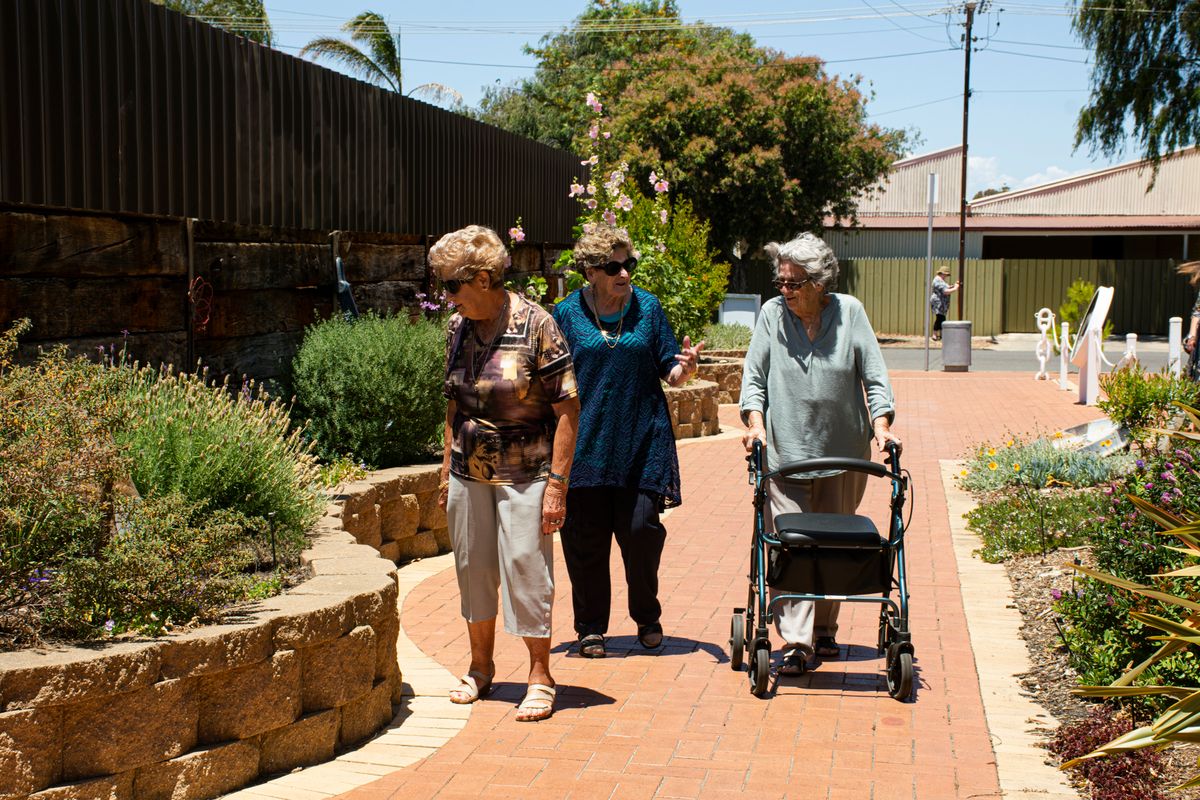
The image shows a simple walking setting, which fits a page about using a short session as a clear movement container. It is general-education context, not proof of a result.
Article match: people walking together in a park, short outdoor session, daily movement, and low-pressure timing. The image is a close fit because it shows a plausible ten-minute walking context without implying health, body, mood, or performance results. Article match: walking, daily.
Image: Elderly Women Walking In The Park. Author: Pexels photographer, see source page. License: Pexels License. Library: Pexels.