exercise types
Balance Exercise Basics
What should a beginner understand about balance exercise before making it harder?
Balance exercise starts with support, surface, and a clear way to stop. The first useful version is not a challenge to prove steadiness. It is a small setup that lets you notice whether support, foot position, vision, breath, and confidence stay readable before you add difficulty. Read it first for one decision: support stayed within easy reach without sudden grabbing. If the answer is unclear, make the next version smaller or move to the ask-first page before adding time, speed, load, range, or another page.
Choose a stable surface with a wall, counter, rail, or chair within easy reach. Keep both feet available and make the first balance moment small enough that stopping is ordinary.
Read This First
You want to try balance practice, but you do not want a page that tells you to stand on one leg, close your eyes, or add challenge before the setup is clear.
Choose a stable surface with a wall, counter, rail, or chair within easy reach. Keep both feet available and make the first balance moment small enough that stopping is ordinary.
whether support stayed within easy reach without sudden grabbing
Use more support, a wider stance, a clearer surface, shorter time, seated setup, or both feet instead of one.
Choose the option by setting, support, and stop point.
Type pages compare walking, strength, mobility, cardio, and similar choices by what the reader can safely start and leave today.
- Pick the movement that can be shortened without changing the whole day.
- Balance Exercise Basics - Balance Starts With Support Within Reach: look first for support stayed within easy reach without sudden grabbing; if that signal is missing or crowded out by dizziness, faintness, vertigo-like feelings, chest discomfort, severe breathlessness, or feeling close to falling, make the next version smaller before reading onward.
- Pick the version that can be shortened without guilt.
- Ask a clinician, physical therapist, occupational therapist, emergency service, or qualified fitness professional when dizziness, falls, new symptoms, medication, pregnancy, illness, surgery, chronic disease, recovery, injury history, or professional instructions shape the balance decision.
Safety Boundary
This is general education, not medical advice. Stop for warning signs and ask a qualified professional when the situation is personal, uncertain, or higher risk.
Not For
- diagnosis of dizziness, falls, weakness, neurological symptoms, pain, balance disorders, fitness level, or medical readiness
- replacing a clinician, physical therapist, occupational therapist, emergency service, or qualified fitness professional
- personal programming, rehab guidance, medical clearance, fall-risk judgment, form correction, balance targets, body change, weight change, or performance promises
What To Look For
Read the page by the signal you need to understand, then choose the next page only when that signal is clearer.
Decision 1
Balance Starts With Support Within Reach
Balance Exercise Basics - Balance Starts With Support Within Reach: look first for support stayed within easy reach without sudden grabbing; if that signal is missing or crowded out by dizziness, faintness, vertigo-like feelings, chest discomfort, severe breathlessness, or feeling close to falling, make the next version smaller before reading onward.
A balance attempt becomes risky when support feels optional before the first signal is readable. This part matters only if it changes the next visible choice instead of adding a generic reason to move.
Balance exercise should begin with support close enough to use without reaching or scrambling. A wall, counter, rail, sturdy chair, or another stable surface changes the first question. You are not asking whether you can balance without help.
You are asking whether the setup lets you notice foot position, surface, breath, vision, and confidence while stopping remains simple. Support is not a failure of balance practice. It is how you keep the first attempt readable.
If you have to grab suddenly, step quickly, or panic, the attempt was too large. Keep both feet available, make the stance smaller, or return to ordinary standing with support. If dizziness, faintness, unusual pain, numbness, chest discomfort, or severe breathlessness appears, the balance lesson stops.
The first success is a calm stop point, not an unsupported pose. Your note should name the support before it names the challenge. Repeat the supported setup before testing less help.
Balance Starts With Support Within Reach should change what the reader watches next, not simply restate the guide topic. In balance exercise basics, the section is useful when it turns the movement category behind balance starts with support within reach into a visible check: support stayed within easy reach without sudden grabbing. If the same attempt points instead to dizziness, faintness, vertigo-like feelings, chest discomfort, severe breathlessness, or feeling close to falling, the guide should narrow the choice, reduce the demand, or move the reader toward qualified help.
CDC (Older Adult Activity: An Overview) and NHS (Balance Exercises) shape this dimension without becoming instructions to copy. CDC gives this guide public-facing vocabulary and a limit on what the guide can say. NHS adds a second comparison point so the guide does not lean on one article or one phrasing pattern.
The final wording should therefore stay with what can be observed, what should not be assumed, and what question belongs outside a self-directed page. Stand near a counter and shift weight gently before trying any one-foot balance challenge. After one attempt, the note should be plain enough to compare later: support stayed within easy reach without sudden grabbing.
If nothing useful changes, the fallback is not to push harder; it is to use more support, a wider stance, a clearer surface, shorter time, seated setup, or both feet instead of one. If the signal is mixed, change one variable: surface, support, stance, gaze, footwear, hand position, timing, or whether the question belongs to bodyweight or mobility.
Decision 2
Surface And Foot Position Come Before Challenge
Balance Exercise Basics - Surface And Foot Position Come Before Challenge: choose the next move from the visible signal, then direct symptoms, personal risk, or unclear safety to qualified help.
Difficulty can change dramatically when the floor, shoes, stance, or nearby furniture changes. This part matters only if it changes the next visible choice instead of adding a generic reason to move.
Before you make balance harder, name the surface and foot position. A carpet, mat, tile floor, shoe choice, step, doorway, or crowded room can change the attempt. Foot position matters too.
A wide stance, staggered stance, narrow stance, or one-foot position are not small style choices; they are different balance questions. Start with the version that lets you stop without a fast correction. If the floor is slippery, cluttered, uneven, or unfamiliar, the next decision is setup, not challenge.
If a narrow stance makes you tense, widen it. If shoes or bare feet change confidence, record that separately. A balance page should not push you toward the hardest version because the first lesson is comparing the setup.
The useful note names where you stood, what supported you, how your feet were placed, and whether stopping stayed calm. That note makes the next setup measurable without making it riskier. Change the floor question before changing the stance.
Balance Exercise Basics needs surface and foot position come before challenge to answer a smaller question than "what should I do next?" Use the setup, support, equipment, and stop point in balance exercise basics as the filter and leave with one note: surface, foot position, gaze, breath, and confidence stayed clear. If the note is only motivation, guilt, or a vague sense that more effort must be better, the section has not done its job yet. Mayo Clinic (Balance Exercises) and ACE Fitness (Exercise Library) shape this dimension without becoming instructions to copy.
Mayo Clinic gives this guide public-facing vocabulary and a limit on what the guide can say. ACE Fitness adds a second comparison point so the guide does not lean on one article or one phrasing pattern. The final wording should therefore stay with what can be observed, what should not be assumed, and what question belongs outside a self-directed page.
A staggered stance on a clear floor may teach more than standing on one foot on a soft mat. After one attempt, the note should be plain enough to compare later: surface, foot position, gaze, breath, and confidence stayed clear. If nothing useful changes, the fallback is not to push harder; it is to use more support, a wider stance, a clearer surface, shorter time, seated setup, or both feet instead of one.
If the signal is mixed, change one variable: surface, support, stance, gaze, footwear, hand position, timing, or whether the question belongs to bodyweight or mobility.
Decision 3
Vision And Head Movement Can Change The Signal
Balance Exercise Basics - Vision And Head Movement Can Change The Signal: use this section to choose repeat, reduce, pause, or ask, not to prove progress; watch the recovery step was calm enough to repeat the same version.
Readers often add difficulty without realizing that looking around or moving the head changes balance demands. This part matters only if it changes the next visible choice instead of adding a generic reason to move.
Balance is affected by where you look and how your head moves. A supported weight shift while looking forward may feel calm, while turning the head, looking down, or watching a screen may make the same stance feel different. This does not mean you should close your eyes or add head turns.
It means the first note should include vision and head position. Keep the gaze simple and the support nearby. If looking down at your feet changes steadiness, record it.
If turning the head makes the signal confusing, do not add more challenge. Return to a wider stance or more support. This dimension matters because balance practice is easy to escalate accidentally.
A beginner can learn more by keeping vision simple than by adding tasks. If dizziness or vertigo-like feelings appear, stop and use qualified help rather than experimenting with head movement. The safer experiment is a clearer setup, not a new challenge.
Vision And Head Movement Can Change The Signal belongs in balance exercise basics because it can separate one ordinary signal from a larger claim. For this guide, which part of the option should stay optional matters more than finishing a routine. The reader should finish the section knowing whether to repeat the same version, make it smaller, change the setting, or pause because you had to grab suddenly, step quickly, panic, hold your breath, or could not stop comfortably.
National Institute on Aging (Four Types Of Exercise Can Improve Your Health And Physical Ability) and Mayo Clinic (Balance Exercises) shape this dimension without becoming instructions to copy. National Institute on Aging gives this guide public-facing vocabulary and a limit on what the guide can say. Mayo Clinic adds a second comparison point so the guide does not lean on one article or one phrasing pattern.
The final wording should therefore stay with what can be observed, what should not be assumed, and what question belongs outside a self-directed page. Try a small supported weight shift while looking at one fixed point before adding any head movement. After one attempt, the note should be plain enough to compare later: the recovery step was calm enough to repeat the same version.
If nothing useful changes, the fallback is not to push harder; it is to use more support, a wider stance, a clearer surface, shorter time, seated setup, or both feet instead of one. If the signal is mixed, change one variable: surface, support, stance, gaze, footwear, hand position, timing, or whether the question belongs to bodyweight or mobility.
Decision 4
A Smaller Balance Version Is Still Practice
Balance Exercise Basics - A Smaller Balance Version Is Still Practice: look first for the next question is bodyweight support, room safety, mobility, dizziness, or professional help; if that signal is missing or crowded out by dizziness, faintness, vertigo-like feelings, chest discomfort, severe breathlessness, or feeling close to falling, make the next version smaller before reading onward.
People often skip useful supported versions because they think balance only counts when it feels hard. This part matters only if it changes the next visible choice instead of adding a generic reason to move.
A smaller balance version can still teach the main lesson. You can keep both feet down, shift weight slightly, hold a counter, shorten the time, widen the stance, or practice sitting-to-standing with support nearby. The smaller version counts because it gives information without forcing a risky correction.
Ask what made the attempt hard: foot position, surface, vision, confidence, breath, fatigue, or fear of falling. Change only one of those variables at a time. If a supported version is calm, repeat it before reducing support.
If it is not calm, make it easier. This protects the guide from becoming a challenge ladder. Balance is not more useful just because it is dramatic.
A web article cannot know whether difficulty is productive or unsafe for you. It can help you choose a version that leaves the safety boundary visible. That smaller version is also easier to compare tomorrow.
You can still learn from it without adding challenge. A Smaller Balance Version Is Still Practice should change what the reader watches next, not simply restate the guide topic. In balance exercise basics, the section is useful when it turns the movement category behind a smaller balance version is still practice into a visible check: the next question is bodyweight support, room safety, mobility, dizziness, or professional help.
If the same attempt points instead to dizziness, faintness, vertigo-like feelings, chest discomfort, severe breathlessness, or feeling close to falling, the guide should narrow the choice, reduce the demand, or move the reader toward qualified help. NHS (Balance Exercises) and Healthline (Balance Exercises) shape this dimension without becoming instructions to copy. NHS gives this guide public-facing vocabulary and a limit on what the guide can say.
Healthline adds a second comparison point so the guide does not lean on one article or one phrasing pattern. The final wording should therefore stay with what can be observed, what should not be assumed, and what question belongs outside a self-directed page.
Decision 5
After One Try, Notice The Recovery Step
Balance Exercise Basics - After One Try, Notice The Recovery Step: choose the next move from the visible signal, then direct symptoms, personal risk, or unclear safety to qualified help.
The step after a balance attempt often reveals more than the pose or movement itself. This part matters only if it changes the next visible choice instead of adding a generic reason to move.
After one balance attempt, pay attention to the recovery step. Did you return to ordinary standing calmly, or did you grab, stumble, rush, hold your breath, or feel shaken? The recovery step tells you whether the attempt was readable.
A good note separates support, surface, foot position, vision, breath, confidence, and after-effects. It might say: counter nearby, wide stance, small weight shift, gaze forward, stopped calmly. That note gives you a next decision.
Repeat the same version if recovery stayed calm. Widen the stance or use more support if you had to correct quickly. Use safety first if dizziness, faintness, chest discomfort, severe breathlessness, numbness, unusual pain, or feeling close to falling appears.
Balance basics are successful when the next setup is clearer, not when the challenge is harder. The recovery step is the part that tells you whether to repeat, reduce, or stop. It belongs in the note, not just in memory.
Balance Exercise Basics needs after one try, notice the recovery step to answer a smaller question than "what should I do next?" Use the setup, support, equipment, and stop point in balance exercise basics as the filter and leave with one note: support stayed within easy reach without sudden grabbing. If the note is only motivation, guilt, or a vague sense that more effort must be better, the section has not done its job yet. CDC (Older Adult Activity: An Overview) and MoveKind (When To Ask A Professional Before Exercise) shape this dimension without becoming instructions to copy.
CDC gives this guide public-facing vocabulary and a limit on what the guide can say. When To Ask A Professional Before Exercise supplies the site link if this section becomes the reader's next decision. The final wording should therefore stay with what can be observed, what should not be assumed, and what question belongs outside a self-directed page.
If you finished by grabbing the counter, keep the counter and make the next version smaller instead of reducing support. After one attempt, the note should be plain enough to compare later: support stayed within easy reach without sudden grabbing. If nothing useful changes, the fallback is not to push harder; it is to use more support, a wider stance, a clearer surface, shorter time, seated setup, or both feet instead of one.
If the signal is mixed, change one variable: surface, support, stance, gaze, footwear, hand position, timing, or whether the question belongs to bodyweight or mobility.
Decision 6
The Next Page Should Follow The Unsteady Signal
Balance Exercise Basics - The Next Page Should Follow The Unsteady Signal: use this section to choose repeat, reduce, pause, or ask, not to prove progress; watch surface, foot position, gaze, breath, and confidence stayed clear.
Balance articles often lead to harder variations when the reader may need support, bodyweight, or safety first. This part matters only if it changes the next visible choice instead of adding a generic reason to move.
The next page should follow the unsteady signal you noticed. If support was the main issue, bodyweight or wall-supported education can help you choose a clearer setup. If surface, clutter, or room layout caused worry, read space safety.
If dizziness appeared, do not search for more balance challenges; use a ask-first page or qualified help. If the movement itself felt controlled but range felt limited, mobility or flexibility may be the next category. If hand-held load changed steadiness, equipment pages should wait until support is clear.
This keeps balance education from becoming a challenge sequence. You are choosing one next read from what happened in one small attempt. The right path should make the next version easier to understand and easier to stop, not simply more difficult.
If no path is obvious, support and space safety come before harder balance work. That rule keeps the link path conservative and easier to explain. The Next Page Should Follow The Unsteady Signal belongs in balance exercise basics because it can separate one ordinary signal from a larger claim.
For this guide, which part of the option should stay optional matters more than finishing a routine. The reader should finish the section knowing whether to repeat the same version, make it smaller, change the setting, or pause because you had to grab suddenly, step quickly, panic, hold your breath, or could not stop comfortably. ACE Fitness (Exercise Library) and MoveKind (Bodyweight Exercise Basics) shape this dimension without becoming instructions to copy.
ACE Fitness is used here for reader-question coverage and article structure, not as proof of a health outcome. Bodyweight Exercise Basics supplies the site link if this section becomes the reader's next decision. The final wording should therefore stay with what can be observed, what should not be assumed, and what question belongs outside a self-directed page.
If holding a dumbbell changed your steadiness, the next question is support or equipment setup, not a harder balance drill. After one attempt, the note should be plain enough to compare later: surface, foot position, gaze, breath, and confidence stayed clear. If nothing useful changes, the fallback is not to push harder; it is to use more support, a wider stance, a clearer surface, shorter time, seated setup, or both feet instead of one.
If the signal is mixed, change one variable: surface, support, stance, gaze, footwear, hand position, timing, or whether the question belongs to bodyweight or mobility.
After You Try It
After one small balance attempt, you may understand which support, surface, stance, gaze, breath, or recovery step makes the signal readable. That is not proof of balance improvement, fall-risk status, or personal readiness.
What To Observe
- whether support stayed within easy reach without sudden grabbing
- whether surface, foot position, gaze, breath, and confidence stayed clear
- whether the recovery step was calm enough to repeat the same version
- whether the next question is bodyweight support, room safety, mobility, dizziness, or professional help
Too Much
- dizziness, faintness, vertigo-like feelings, chest discomfort, severe breathlessness, or feeling close to falling
- sharp, unusual, worsening, or persistent pain
- you had to grab suddenly, step quickly, panic, hold your breath, or could not stop comfortably
If Nothing Improves Or It Feels Worse
Use more support, a wider stance, a clearer surface, shorter time, seated setup, or both feet instead of one.
Change one variable: surface, support, stance, gaze, footwear, hand position, timing, or whether the question belongs to bodyweight or mobility.
Pause when balance practice worsens dizziness, pain, breath, numbness, fear of falling, confidence, or recovery control.
Ask a clinician, physical therapist, occupational therapist, emergency service, or qualified fitness professional when dizziness, falls, new symptoms, medication, pregnancy, illness, surgery, chronic disease, recovery, injury history, or professional instructions shape the balance decision.
When To Stop Or Ask First
- Stop for chest discomfort, faintness, severe shortness of breath, unusual pain, numbness, dizziness, unstable balance, confusion, loss of coordination, or feeling close to falling.
- Ask first when falls, dizziness, medication, pregnancy, chronic disease, illness, surgery, recovery, injury history, new symptoms, or professional instructions change the decision.
- Use balance basics as general education and not medical advice, diagnosis, treatment, rehab guidance, fall-risk judgment, progression prescription, or personal clearance.
Next Decision
Choose the next page from what you noticed, not from a harder goal.
Pick Bodyweight Exercise Basics after balance exercise basics if use this path when the reader can describe support is the clearest education signal; keep the safety boundary around symptoms, personal risk, and qualified help.
If The Setup Needs To ShrinkHome Exercise Space SafetyUse this path when you can describe surface, foot position, gaze, breath, and confidence stayed clear.Use Home Exercise Space Safety after balance exercise basics when it clarifies what equipment or support changes the choice; it is general education, not personal clearance, treatment, or a program.
If Safety Is The QuestionDizziness During ExerciseUse this path when you had to grab suddenly, step quickly, panic, hold your breath, or could not stop comfortably changes the decision.Choose Dizziness During Exercise after balance exercise basics when use this path when the reader had to grab changes the setting, support, or stop point; qualified help still handles symptoms or risk.
If The Neighboring Topic FitsWall-Supported Exercise BasicsUse this path when you can describe the next question is bodyweight support, room safety, mobility, dizziness, or professional help.Read Wall-Supported Exercise Basics after balance exercise basics if wall-supported exercise basics is the better question before adding effort; keep personal risk outside self-direction.
How To Use The Source Notes
The reviewed sources support balance as a broad exercise category and a safety-sensitive reader question. They do not support personal fall-risk judgment, harder challenge progressions, symptom interpretation, or safety clearance.
CDC, NIA, NHS, and Mayo Clinic set the category and support boundary; ACE and Healthline are used only for vocabulary and coverage comparison; MoveKind internal references path support and professional-boundary decisions.
No source is used to diagnose dizziness, assess falls, prescribe balance drills, promise steadiness, choose challenge level, or decide personal readiness.
the guide is organized around six decisions: support first, surface and stance, vision and head movement, smaller challenge, after-effects, and linking the next page by the signal noticed.
Practical Steps
- Choose the support before choosing the challenge.
- Clear the surface and name your foot position.
- Keep the first balance moment short and easy to stop.
- Record support, surface, stance, gaze, breath, confidence, and recovery separately.
- Repeat a calm supported version before reducing help.
- Use safety or qualified help when dizziness, falls, symptoms, medication, or medical history shape the decision.
Common Mistakes
- Removing support before the first supported signal is readable.
- Making stance, surface, gaze, and time harder all at once.
- Judging balance only by how long you held a position.
- Ignoring the recovery step after the balance attempt.
- Continuing after dizziness, feeling close to falling, unusual pain, numbness, chest discomfort, severe breathlessness, or unsafe symptoms.
FAQ
Is Balance Exercise Basics medical advice?
No. It is general education and not medical advice. It does not diagnose dizziness, provide treatment, give rehab guidance, judge fall risk, or clear personal safety.
How easy should the first balance exercise be?
Easy enough that support is within reach, both feet are available, and you can return to ordinary standing without grabbing suddenly.
What should I notice after one balance attempt?
Notice support, surface, stance, gaze, breath, confidence, recovery step, and whether the same version would be calm to repeat.
Should I close my eyes to make balance harder?
No. Do not add vision challenges when support, surface, and recovery are not already clear. Keep the first version simple.
When should balance exercise stop?
Stop for dizziness, feeling close to falling, chest discomfort, severe breathlessness, numbness, confusion, unusual pain, or inability to stop safely.
Image Source
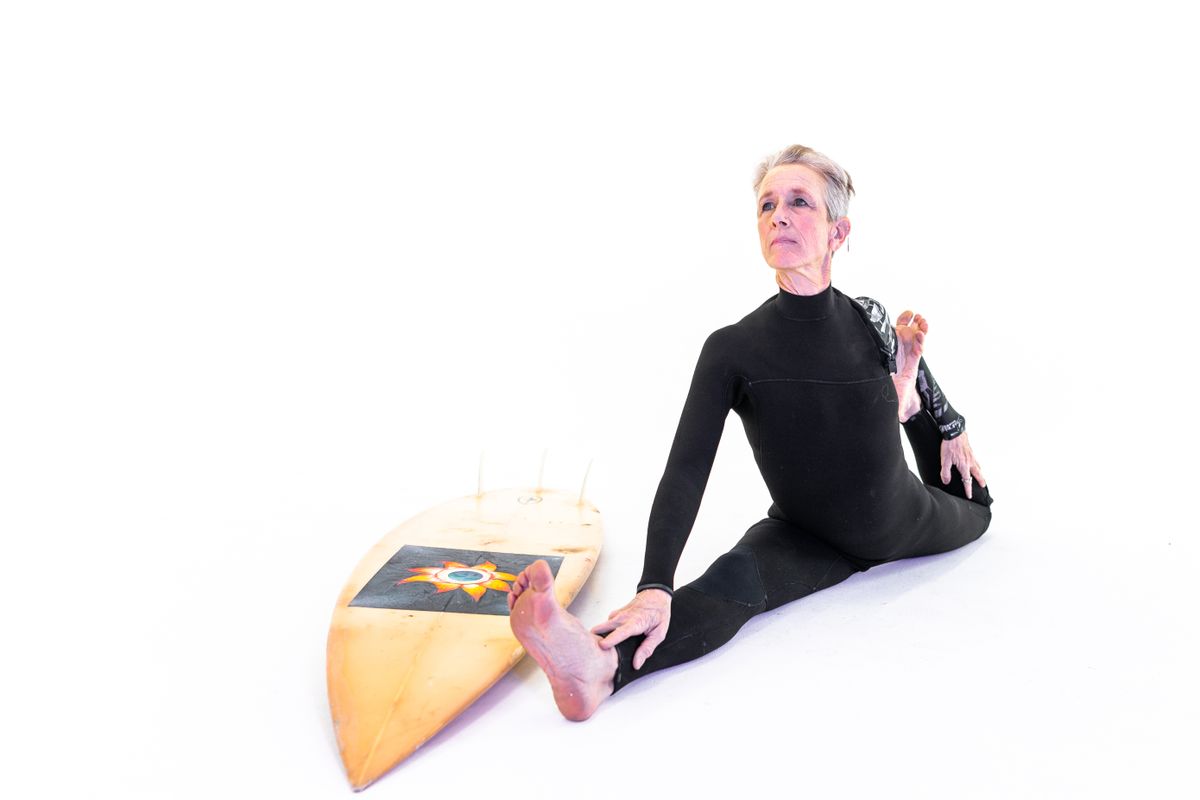
The image shows a person in a balance-relevant movement setting, which fits a page about support, surface, stance, and recovery steps. It is visual context for general education, not proof that a balance challenge is safe.
Article match: balance, low-impact support, older-adult movement, and mat-based steadiness education. The image is a close fit because it shows balance-relevant movement context rather than a precise drill to copy. Article match: balance.
Image: Elderly Woman Doing Stretching Exercise. Author: Pexels photographer, see source page. License: Pexels License. Library: Pexels.