exercise types
Dumbbell Exercise Basics
What should a beginner understand about dumbbells before choosing load, grip, or a routine?
Dumbbell basics are about a hand-held load you can name, hold, put down, and reduce. The first useful decision is not which dumbbell exercise is best. It is whether the object makes resistance easier to understand without making grip, balance, range, breath, or stopping harder to manage. Read it first for one decision: object weight, grip, surface, support, range, breath, balance, put-down point, and after-effects. If the answer is unclear, make the next version smaller or move to the ask-first page before adding time, speed, load, range, or another page.
Choose one very light object or no object at all, then practice the setup with support nearby. Keep the first range short, the grip relaxed, and the stop point clear enough that putting the object down is immediate.
Read This First
You have access to light dumbbells or household objects, but you are unsure how to think about load without turning the first attempt into a program. The useful way into this guide is a dumbbell is a load you must be able to put down: name the setting, the signal you can observe, and the line where the guide should stop instead of becoming personal advice.
Choose one very light object or no object at all, then practice the setup with support nearby. Keep the first range short, the grip relaxed, and the stop point clear enough that putting the object down is immediate.
object weight, grip, surface, support, range, breath, balance, put-down point, and after-effects
Use a lighter object, shorter range, more support, slower pace, empty-hand rehearsal, fewer movement types, or a bodyweight version.
Choose the option by setting, support, and stop point.
Type pages compare walking, strength, mobility, cardio, and similar choices by what the reader can safely start and leave today.
- Pick the movement that can be shortened without changing the whole day.
- Dumbbell Exercise Basics - A Dumbbell Is A Load You Must Be Able To Put Down: look first for object weight, grip, surface, support, range, breath, balance, put-down point, and after-effects; if that signal is missing or crowded out by sharp, unusual, worsening, or persistent pain, make the next version smaller before reading onward.
- Pick the version that can be shortened without guilt.
- Ask a clinician, physical therapist, occupational therapist, emergency service, or qualified fitness professional when pain, injury history, medication, pregnancy, illness, surgery, chronic disease, recovery, balance risk, grip concerns, equipment uncertainty, or professional instructions shape the dumbbell decision.
Safety Boundary
This is general education, not medical advice. Stop for warning signs and ask a qualified professional when the situation is personal, uncertain, or higher risk.
Not For
- diagnosis of weakness, pain, injury, grip problems, balance concerns, fatigue, fitness level, or medical readiness
- replacing a clinician, physical therapist, occupational therapist, emergency service, or qualified fitness professional
- personal programming, rehab guidance, medical clearance, load selection, form correction, repetition targets, body change, weight change, or performance promises
What To Look For
Read the page by the signal you need to understand, then choose the next page only when that signal is clearer.
Decision 1
A Dumbbell Is A Load You Must Be Able To Put Down
Dumbbell Exercise Basics - A Dumbbell Is A Load You Must Be Able To Put Down: look first for object weight, grip, surface, support, range, breath, balance, put-down point, and after-effects; if that signal is missing or crowded out by sharp, unusual, worsening, or persistent pain, make the next version smaller before reading onward.
A dumbbell makes resistance visible, but the visible object can distract from the basic stop decision. This part matters only if it changes the next visible choice instead of adding a generic reason to move.
A dumbbell is a hand-held load, and the first dumbbell skill is being able to put it down immediately. The object may be a light dumbbell, a small household item, or no object while you rehearse the path. The first question is not how heavy it is.
The first question is whether holding it makes resistance clearer without making stopping harder. Notice the surface under you, where the object would go, how your grip feels, and whether nearby clutter, pets, or people change the decision. If you cannot put the object down calmly, the load is not readable yet.
Use less weight, a shorter range, more support, or bodyweight. This keeps dumbbell basics in general education territory. One attempt does not prove strength, health change, or progress.
It only shows whether a visible hand-held load helps you understand resistance better than another category. The object should never trap the decision. A Dumbbell Is A Load You Must Be Able To Put Down should change what the reader watches next, not simply restate the guide topic.
In dumbbell exercise basics, the section is useful when it turns the movement category behind a dumbbell is a load you must be able to put down into a visible check: object weight, grip, surface, support, range, breath, balance, put-down point, and after-effects. If the same attempt points instead to sharp, unusual, worsening, or persistent pain, the guide should narrow the choice, reduce the demand, or move the reader toward qualified help. CDC (Adult Activity: An Overview) and ACE Fitness (Dumbbell Exercise Library) shape this dimension without becoming instructions to copy.
CDC gives this guide public-facing vocabulary and a limit on what the guide can say. ACE Fitness adds a second comparison point so the guide does not lean on one article or one phrasing pattern. The final wording should therefore stay with what can be observed, what should not be assumed, and what question belongs outside a self-directed page.
Decision 2
Grip Is A Signal, Not A Side Detail
Dumbbell Exercise Basics - Grip Is A Signal, Not A Side Detail: choose the next move from the visible signal, then direct symptoms, personal risk, or unclear safety to qualified help.
Beginners may focus on the arm or shoulder movement while grip quietly becomes the limiting factor. This part matters only if it changes the next visible choice instead of adding a generic reason to move.
Grip is part of the dumbbell signal. If your hand, wrist, or confidence with the object becomes the main thing you notice, the question may not be strength yet. It may be grip, object shape, surface, or whether the tool belongs in the attempt at all.
A smooth handle, awkward household item, sweaty palm, or uncertain storage spot can change the movement. Start with an object light enough that grip stays descriptive rather than stressful. Notice whether you could loosen the hand, change sides, or put the object down without fear.
If grip becomes noisy, do not solve it by squeezing harder. Use a lighter object, shorten the attempt, add support, or return to bodyweight. This distinction matters because grip fatigue can be misread as proof that dumbbell work was useful.
The safer note separates grip from resistance, breath, balance, pain, and confidence. Grip should stay easy to describe before load changes. Dumbbell Exercise Basics needs grip is a signal, not a side detail to answer a smaller question than "what should I do next?" Use the setup, support, equipment, and stop point in dumbbell exercise basics as the filter and leave with one note: fixed load clarified resistance or made grip and stopping too noisy.
If the note is only motivation, guilt, or a vague sense that more effort must be better, the section has not done its job yet. Mayo Clinic (Weight Training: Do's And Don'ts Of Proper Technique) and MoveKind (Unusual Pain During Exercise) shape this dimension without becoming instructions to copy. Mayo Clinic gives this guide public-facing vocabulary and a limit on what the guide can say.
Unusual Pain During Exercise supplies the site link if this section becomes the reader's next decision. The final wording should therefore stay with what can be observed, what should not be assumed, and what question belongs outside a self-directed page. Write down whether the object felt easy to hold and put down before deciding the movement was too hard.
After one attempt, the note should be plain enough to compare later: fixed load clarified resistance or made grip and stopping too noisy. If nothing useful changes, the fallback is not to push harder; it is to use a lighter object, shorter range, more support, slower pace, empty-hand rehearsal, fewer movement types, or a bodyweight version. If the signal is mixed, change one variable: object, grip, support, surface, range, position, timing, or whether the question belongs to bodyweight or band movement instead.
Decision 3
Load Should Stay Below The First Useful Question
Dumbbell Exercise Basics - Load Should Stay Below The First Useful Question: use this section to choose repeat, reduce, pause, or ask, not to prove progress; watch soreness, fatigue, pain, numbness, breath, or confidence should be recorded separately.
A dumbbell page can become a load-selection page, which would cross into personal programming too quickly. This part matters only if it changes the next visible choice instead of adding a generic reason to move.
Load should stay below the first useful question. If the object is heavy enough that you think mostly about weight, the attempt may be too large for a basics page. Choose a load that lets you notice setup, support, range, grip, breath, and stop point.
That may mean using a very light dumbbell, an empty hand, or a household object only as a rehearsal object. A smaller load is not a failed strength attempt. It is a cleaner way to see whether a hand-held object clarifies resistance.
If the first version is clear, repeat it before adding complexity. If it is noisy, change one variable: lighter object, shorter range, more support, different position, or no object. A web article should not choose pounds, kilograms, sets, or progression for you.
It can help you keep load from drowning out the first decision. The useful result is a clearer note, not a heavier object. Load Should Stay Below The First Useful Question belongs in dumbbell exercise basics because it can separate one ordinary signal from a larger claim.
For this guide, which part of the option should stay optional matters more than finishing a routine. The reader should finish the section knowing whether to repeat the same version, make it smaller, change the setting, or pause because you could not put the object down, reduce range, add support, or stop comfortably. NHS (Strength And Flexibility Exercises) and Verywell Fit (Dumbbell Strength Training Workout) shape this dimension without becoming instructions to copy.
NHS gives this guide public-facing vocabulary and a limit on what the guide can say. Verywell Fit adds a second comparison point so the guide does not lean on one article or one phrasing pattern. The final wording should therefore stay with what can be observed, what should not be assumed, and what question belongs outside a self-directed page.
If the object makes you tense before moving, rehearse the path empty-handed and compare the signal later. After one attempt, the note should be plain enough to compare later: soreness, fatigue, pain, numbness, breath, or confidence should be recorded separately. If nothing useful changes, the fallback is not to push harder; it is to use a lighter object, shorter range, more support, slower pace, empty-hand rehearsal, fewer movement types, or a bodyweight version.
If the signal is mixed, change one variable: object, grip, support, surface, range, position, timing, or whether the question belongs to bodyweight or band movement instead.
Decision 4
Fixed Load Differs From Elastic Tension
Dumbbell Exercise Basics - Fixed Load Differs From Elastic Tension: look first for the next page should be bodyweight, bands, strength basics, balance, intensity safety, or unusual-pain safety; if that signal is missing or crowded out by sharp, unusual, worsening, or persistent pain, make the next version smaller before reading onward.
Readers comparing tools need to understand why a dumbbell and a band can feel different even when both are strength equipment.
A dumbbell gives a fixed hand-held load, while a band gives elastic tension that changes as it stretches. That difference changes the first decision. With a dumbbell, you need to know how the object is held, where it travels, where it can be put down, and whether balance stays steady.
With a band, you need to know anchor, stretch distance, release direction, and tension curve. Neither tool is automatically easier. The clearer tool is the one whose variables you can name and reduce.
If a dumbbell makes grip or putting down stressful, compare bodyweight or band tension later. If a band makes release or anchor confusing, a very light dumbbell may be easier to understand. Do not combine tools to make the session feel complete.
Compare one variable at a time, and stop tool comparison if pain, dizziness, breath changes, or unsafe symptoms appear. Tool choice should simplify the note. Fixed Load Differs From Elastic Tension should change what the reader watches next, not simply restate the guide topic.
In dumbbell exercise basics, the section is useful when it turns the movement category behind fixed load differs from elastic tension into a visible check: the next page should be bodyweight, bands, strength basics, balance, intensity safety, or unusual-pain safety. If the same attempt points instead to sharp, unusual, worsening, or persistent pain, the guide should narrow the choice, reduce the demand, or move the reader toward qualified help. MoveKind (Resistance Band Exercise Basics) and ACE Fitness (Dumbbell Exercise Library) shape this dimension without becoming instructions to copy.
MoveKind is used here for reader-question coverage and article structure, not as proof of a health outcome. ACE Fitness adds a second comparison point so the guide does not lean on one article or one phrasing pattern. The final wording should therefore stay with what can be observed, what should not be assumed, and what question belongs outside a self-directed page.
A light dumbbell may be clearer than a band if the main question is where the load starts, travels, and stops. After one attempt, the note should be plain enough to compare later: the next page should be bodyweight, bands, strength basics, balance, intensity safety, or unusual-pain safety. If nothing useful changes, the fallback is not to push harder; it is to use a lighter object, shorter range, more support, slower pace, empty-hand rehearsal, fewer movement types, or a bodyweight version.
If the signal is mixed, change one variable: object, grip, support, surface, range, position, timing, or whether the question belongs to bodyweight or band movement instead.
Decision 5
After One Try, Notice The Put-Down Moment
Dumbbell Exercise Basics - After One Try, Notice The Put-Down Moment: choose the next move from the visible signal, then direct symptoms, personal risk, or unclear safety to qualified help.
The end of a dumbbell movement often reveals whether the load was actually manageable. This part matters only if it changes the next visible choice instead of adding a generic reason to move.
After one dumbbell attempt, notice the put-down moment. Did you place the object down calmly, or did you rush, drop, twist, hold your breath, or look for a place to set it? That moment often tells you more than the movement itself.
A good note separates object, grip, range, support, breath, balance, stop point, and after-effects. It might say: light dumbbell, standing near counter, short range, put down easily, grip tired, no unusual pain. That note gives a next decision.
Repeat the same version if the put-down stayed clear. Use less load or more support if the ending felt rushed. Remove the object if grip or surface made the attempt noisy.
Use safety first if symptoms appeared. This keeps dumbbell basics from becoming a workout plan. The useful result is object literacy and a safer next question, not evidence that dumbbell training worked.
Ending control matters because tomorrow depends on repeatable setup. Dumbbell Exercise Basics needs after one try, notice the put-down moment to answer a smaller question than "what should I do next?" Use the setup, support, equipment, and stop point in dumbbell exercise basics as the filter and leave with one note: object weight, grip, surface, support, range, breath, balance, put-down point, and after-effects. If the note is only motivation, guilt, or a vague sense that more effort must be better, the section has not done its job yet.
Mayo Clinic (Weight Training: Do's And Don'ts Of Proper Technique) and Verywell Fit (Dumbbell Strength Training Workout) shape this dimension without becoming instructions to copy. Mayo Clinic gives this guide public-facing vocabulary and a limit on what the guide can say. Verywell Fit adds a second comparison point so the guide does not lean on one article or one phrasing pattern.
The final wording should therefore stay with what can be observed, what should not be assumed, and what question belongs outside a self-directed page. Write down whether you put the object down smoothly before deciding whether to repeat or change the movement. After one attempt, the note should be plain enough to compare later: object weight, grip, surface, support, range, breath, balance, put-down point, and after-effects.
If nothing useful changes, the fallback is not to push harder; it is to use a lighter object, shorter range, more support, slower pace, empty-hand rehearsal, fewer movement types, or a bodyweight version. If the signal is mixed, change one variable: object, grip, support, surface, range, position, timing, or whether the question belongs to bodyweight or band movement instead.
Decision 6
The Next Page Should Follow The Load Problem
Dumbbell Exercise Basics - The Next Page Should Follow The Load Problem: use this section to choose repeat, reduce, pause, or ask, not to prove progress; watch fixed load clarified resistance or made grip and stopping too noisy.
Dumbbell articles often push readers into more exercises instead of linking them by the decision that remains. This part matters only if it changes the next visible choice instead of adding a generic reason to move.
The next page after a dumbbell attempt should follow the load problem that remains. If the object clarified resistance, strength basics can help you place dumbbells inside the broader category. If grip was the issue, do not add exercises; reduce the object, change setup, or ask for qualified help when symptoms or injury history matter.
If fixed load felt stressful, compare bodyweight or band tension. If range was the question, read flexibility or mobility basics. If balance changed, use a support or safety page before adding load.
If pain, dizziness, chest discomfort, severe breathlessness, numbness, medication, pregnancy, recovery, or medical history shaped the attempt, stop using equipment pages as instructions. A good internal link narrows the next question: load, grip, range, balance, tension, or safety. You are not following a dumbbell sequence.
You are choosing the next reading path from what the first object revealed. the path should stay question-led. The Next Page Should Follow The Load Problem belongs in dumbbell exercise basics because it can separate one ordinary signal from a larger claim.
For this guide, which part of the option should stay optional matters more than finishing a routine. The reader should finish the section knowing whether to repeat the same version, make it smaller, change the setting, or pause because you could not put the object down, reduce range, add support, or stop comfortably. ACE Fitness (Dumbbell Exercise Library) and MoveKind (Unusual Pain During Exercise) shape this dimension without becoming instructions to copy.
ACE Fitness is used here for reader-question coverage and article structure, not as proof of a health outcome. Unusual Pain During Exercise supplies the site link if this section becomes the reader's next decision. The final wording should therefore stay with what can be observed, what should not be assumed, and what question belongs outside a self-directed page.
If grip was the only confusing part, the next step is not a new dumbbell exercise list; it is a smaller or safer setup question. After one attempt, the note should be plain enough to compare later: fixed load clarified resistance or made grip and stopping too noisy. If nothing useful changes, the fallback is not to push harder; it is to use a lighter object, shorter range, more support, slower pace, empty-hand rehearsal, fewer movement types, or a bodyweight version.
If the signal is mixed, change one variable: object, grip, support, surface, range, position, timing, or whether the question belongs to bodyweight or band movement instead.
After You Try It
After one small dumbbell attempt, you may understand object choice, grip, support, range, put-down safety, or whether bodyweight or bands would be clearer. No single attempt proves strength, health change, body change, or fitness progress.
What To Observe
- object weight, grip, surface, support, range, breath, balance, put-down point, and after-effects
- whether fixed load clarified resistance or made grip and stopping too noisy
- whether soreness, fatigue, pain, numbness, breath, or confidence should be recorded separately
- whether the next page should be bodyweight, bands, strength basics, balance, intensity safety, or unusual-pain safety
Too Much
- sharp, unusual, worsening, or persistent pain
- dizziness, unstable balance, chest discomfort, severe breathlessness, numbness, dropped equipment, or unsafe symptoms
- you could not put the object down, reduce range, add support, or stop comfortably
If Nothing Improves Or It Feels Worse
Use a lighter object, shorter range, more support, slower pace, empty-hand rehearsal, fewer movement types, or a bodyweight version.
Change one variable: object, grip, support, surface, range, position, timing, or whether the question belongs to bodyweight or band movement instead.
Pause when dumbbell movement worsens pain, breath, dizziness, balance, panic, grip safety, equipment confidence, or uncertainty.
Ask a clinician, physical therapist, occupational therapist, emergency service, or qualified fitness professional when pain, injury history, medication, pregnancy, illness, surgery, chronic disease, recovery, balance risk, grip concerns, equipment uncertainty, or professional instructions shape the dumbbell decision.
When To Stop Or Ask First
- Stop for chest discomfort, faintness, severe shortness of breath, unusual pain, panic, confusion, loss of coordination, dizziness, unstable balance, numbness, dropped equipment, or symptoms that feel unsafe.
- Ask first when load, grip, medication, pregnancy, chronic disease, illness, surgery, recovery, injury history, balance risk, or professional instructions change the decision.
- Use dumbbell basics as general education and equipment literacy, not medical advice, diagnosis, treatment, rehab guidance, load prescription, form correction, or personal clearance.
Next Decision
Choose the next page from what you noticed, not from a harder goal.
Pick Bodyweight Exercise Basics after dumbbell exercise basics if use this path when the reader can describe object is the clearest education signal; keep the safety boundary around symptoms, personal risk, and qualified help.
If The Setup Needs To ShrinkUnusual Pain During ExerciseUse this path when you can describe fixed load clarified resistance or made grip and stopping too noisy.Use Unusual Pain During Exercise after dumbbell exercise basics when it clarifies what equipment or support changes the choice; it is general education, not personal clearance, treatment, or a program.
If Safety Is The QuestionStrength Training BasicsUse this path when you could not put the object down, reduce range, add support, or stop comfortably changes the decision.Choose Strength Training Basics after dumbbell exercise basics when use this path when the reader could not put changes the setting, support, or stop point; qualified help still handles symptoms or risk.
If The Neighboring Topic FitsResistance Band Exercise BasicsUse this path when you can describe the next page should be bodyweight, bands, strength basics, balance, intensity safety, or unusual-pain safety.Read Resistance Band Exercise Basics after dumbbell exercise basics if resistance band exercise basics is the better question before adding effort; keep personal risk outside self-direction.
How To Use The Source Notes
The sources support dumbbells as equipment vocabulary inside broad strength and fitness education. They do not support a personal load choice, workout plan, form correction, body result, or medical clearance decision.
CDC, NHS, and Mayo Clinic anchor public category and boundary language; ACE and Verywell Fit are used only for dumbbell vocabulary and coverage comparison; MoveKind internal links path band comparison and unusual-pain safety decisions.
No source is used to prescribe dumbbell exercises, choose load, correct technique, explain pain, set repetitions, promise results, or decide personal readiness.
the guide is organized around six decisions: naming the object, checking put-down safety, separating grip from strength, comparing dumbbells with bands and bodyweight, reading after-effects, and linking pain or effort questions.
Practical Steps
- Name the object before starting.
- Choose the put-down place before choosing range.
- Keep the first load light enough that grip stays calm.
- Record object, grip, range, support, balance, put-down moment, and after-effects separately.
- Remove the object when load makes the signal harder to read.
- Use safety or qualified help when symptoms, grip, balance, equipment uncertainty, or personal risk shape the decision.
Common Mistakes
- Choosing a heavier object because a light one feels unofficial.
- Ignoring the put-down moment.
- Changing load, range, grip, and speed together.
- Combining dumbbells with bands before each tool is readable.
- Continuing after unusual pain, dizziness, numbness, unstable balance, dropped equipment, or unsafe symptoms.
FAQ
Is Dumbbell Exercise Basics medical advice?
No. It is general education about hand-held resistance. It does not provide diagnosis, rehab guidance, load prescription, form correction, repetition targets, or personal clearance.
How light can the first dumbbell be?
Light enough that grip, range, breath, balance, and putting the object down stay easy to describe. Empty-hand rehearsal can be useful before any load.
What should I notice after one dumbbell attempt?
Notice object choice, grip, support, range, breath, balance, put-down point, and whether the same version would be realistic to repeat.
What if grip feels like the limiting factor?
Use a lighter object, shorter attempt, more support, or no object. If grip pain, numbness, injury history, or safety risk appears, ask qualified help.
When should dumbbell movement stop?
Stop for chest discomfort, faintness, severe breathlessness, dizziness, unusual pain, numbness, unstable balance, dropped equipment, or feeling unable to set the object down safely.
Image Source
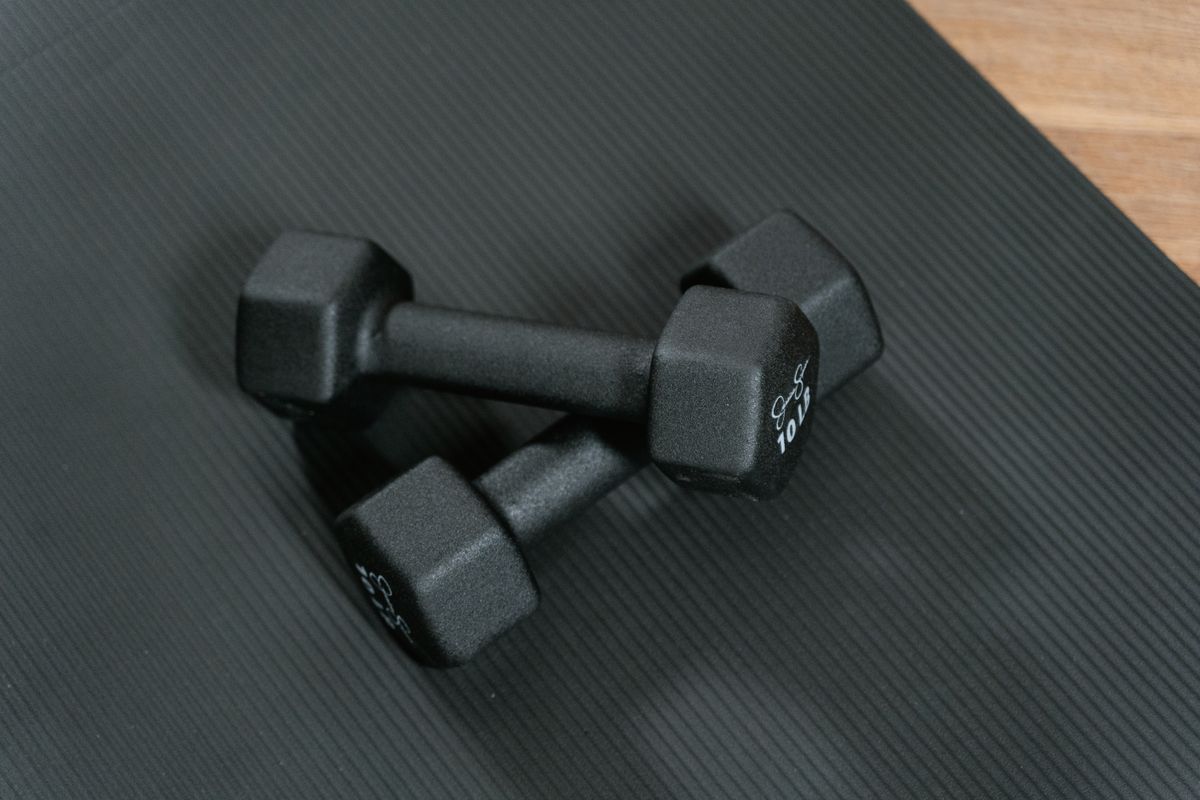
The image shows light dumbbells, which fits a page about object choice, grip, load, put-down safety, and equipment literacy. It is general-education context, not proof of a result.
Article match: light dumbbells, beginner equipment context, and visible hand-held load decisions. The image is exact because it shows dumbbell equipment context without implying a body, medical, or performance result. Article match: dumbbell, beginner.
Image: Light Dumbbells. Author: Pexels photographer, see source page. License: Pexels License. Library: Pexels.