exercise types
Hiking As Exercise
How can you use hiking as exercise without turning a trail choice into medical, survival, or performance advice?
Hiking is walking plus path conditions. The first exercise decision is not distance or elevation; it is whether the trail, weather, surface, footwear, pace, company, exit plan, and stop point are simple enough for one readable attempt. Read it first for one decision: path, distance estimate, elevation feel, surface, weather, daylight, footwear, pack, water, group pace, breath, footing, turnaround point, and exit options. If the answer is unclear, make the next version smaller or move to the ask-first page before adding time, speed, load, range, or another page.
Choose a short familiar path, check weather and surface, keep pace conversational, turn around early if needed, and stop if pain, dizziness, chest discomfort, severe breathlessness, weather, footing, or navigation makes the path unclear.
Read This First
You may want hiking to feel like cardio, walking, outdoor time, or a weekend habit, but you do not want a trail-training plan, injury-prevention claim, gear prescription, emergency judgment, or promise that a path will fit your body.
Choose a short familiar path, check weather and surface, keep pace conversational, turn around early if needed, and stop if pain, dizziness, chest discomfort, severe breathlessness, weather, footing, or navigation makes the path unclear.
path, distance estimate, elevation feel, surface, weather, daylight, footwear, pack, water, group pace, breath, footing, turnaround point, and exit options
Use a shorter path, flatter trail, familiar loop, earlier turnaround, lighter pack, slower group, clearer weather window, or ordinary walking path before adding distance or elevation.
Choose the option by setting, support, and stop point.
Type pages compare walking, strength, mobility, cardio, and similar choices by what the reader can safely start and leave today.
- Pick the movement that can be shortened without changing the whole day.
- Hiking As Exercise - path Comes Before Workout: look first for path, distance estimate, elevation feel, surface, weather, daylight, footwear, pack, water, group pace, breath, footing, turnaround point, and exit options; if that signal is missing or crowded out by chest discomfort, faintness, severe shortness of breath, dizziness, confusion, unusual pain, heat or cold concern, unstable footing, or unsafe symptoms, make the next version smaller before reading onward.
- Pick the version that can be shortened without guilt.
- Ask a clinician, physical therapist, emergency service, ranger, outdoor professional, coach, or qualified fitness professional when symptoms, weather, remote terrain, injury history, medication, chronic disease, pregnancy, illness, surgery, recovery, or professional instructions shape the hiking decision.
Safety Boundary
This is general education, not medical advice. Stop for warning signs and ask a qualified professional when the situation is personal, uncertain, or higher risk.
Not For
- diagnosis of pain, altitude symptoms, heart or lung symptoms, heat illness, injury risk, balance, trail readiness, or medical clearance
- replacing a clinician, physical therapist, outdoor professional, emergency service, ranger, guide, coach, or qualified fitness professional
- survival advice, remote-path planning, backpacking programming, injury prevention, weight change, body change, calorie targets, or performance goals
What To Look For
Read the page by the signal you need to understand, then choose the next page only when that signal is clearer.
Decision 1
path Comes Before Workout
Hiking As Exercise - path Comes Before Workout: look first for path, distance estimate, elevation feel, surface, weather, daylight, footwear, pack, water, group pace, breath, footing, turnaround point, and exit options; if that signal is missing or crowded out by chest discomfort, faintness, severe shortness of breath, dizziness, confusion, unusual pain, heat or cold concern, unstable footing, or unsafe symptoms, make the next version smaller before reading onward.
A hike can become too much because the path changed, not because the reader chose the wrong exercise category.
Read the path as the first exercise variable. Distance, elevation, surface, shade, daylight, trail markings, weather, water access, phone coverage, and turnaround options all shape the hike before effort does. A short familiar loop may be more useful than a scenic path that leaves you guessing about the return.
Start by choosing a path where you can turn around early without feeling stranded or embarrassed. If you are new, returning after time away, hiking with faster friends, or testing outdoor movement after mostly indoor exercise, keep the first path ordinary. You are not trying to prove endurance, trail skill, or cardio capacity.
You are learning whether walking on that surface, in that weather, at that pace, with that group, remains readable. Write down the path name, estimated time, surface, elevation feel, weather, and easiest exit. That path note is the foundation for any next hike.
It also helps you repeat the safest part instead of only remembering the view. path Comes Before Workout should change what the reader watches next, not simply restate the guide topic. In hiking as exercise, the section is useful when it turns the movement category behind path comes before workout into a visible check: path, distance estimate, elevation feel, surface, weather, daylight, footwear, pack, water, group pace, breath, footing, turnaround point, and exit options.
If the same attempt points instead to chest discomfort, faintness, severe shortness of breath, dizziness, confusion, unusual pain, heat or cold concern, unstable footing, or unsafe symptoms, the guide should narrow the choice, reduce the demand, or move the reader toward qualified help. National Park Service (Hiking Safety) and MoveKind (Walking As Exercise) shape this dimension without becoming instructions to copy. National Park Service gives this guide public-facing vocabulary and a limit on what the guide can say.
Walking As Exercise supplies the site link if this section becomes the reader's next decision. The final wording should therefore stay with what can be observed, what should not be assumed, and what question belongs outside a self-directed page.
Decision 2
Terrain And Weather Can Override Fitness Plans
Hiking As Exercise - Terrain And Weather Can Override Fitness Plans: choose the next move from the visible signal, then direct symptoms, personal risk, or unclear safety to qualified help.
Trail surface, temperature, daylight, and conditions can make a familiar distance feel like a different activity. This part matters only if it changes the next visible choice instead of adding a generic reason to move.
A hiking plan should change when terrain or weather changes. Loose gravel, mud, snow, wet leaves, uneven stairs, exposed sun, heat, cold, wind, darkness, and poor visibility can make an easy distance more demanding. This is why the first attempt should have a conservative exit.
Before you start, name the surface and weather in plain words. Is the trail dry, shaded, marked, familiar, crowded, isolated, flat, rocky, steep, or slippery? Are you likely to need extra time to descend?
Do you know where you can stop? If the path conditions are uncertain, scale the hike down before you add distance, pace, or elevation. General exercise sources can support activity education, but trail conditions need local judgment and official guidance.
For a MoveKind article, the safe job is narrower: help you recognize when hiking as exercise has become a path-condition problem. That recognition protects your next decision from being ruled by the original plan. Hiking As Exercise needs terrain and weather can override fitness plans to answer a smaller question than "what should I do next?" Use the setup, support, equipment, and stop point in hiking as exercise as the filter and leave with one note: the strongest signal was walking pace, aerobic effort, balance, terrain, weather, gear, group speed, symptoms, or local outdoor guidance.
If the note is only motivation, guilt, or a vague sense that more effort must be better, the section has not done its job yet. National Park Service (Hiking Safety) and CDC (Physical Activity Guidelines) shape this dimension without becoming instructions to copy. National Park Service gives this guide public-facing vocabulary and a limit on what the guide can say.
CDC adds a second comparison point so the guide does not lean on one article or one phrasing pattern. The final wording should therefore stay with what can be observed, what should not be assumed, and what question belongs outside a self-directed page. If a usual path is wet and downhill, shortening the path may be wiser than reading the same distance as the same workout.
After one attempt, the note should be plain enough to compare later: the strongest signal was walking pace, aerobic effort, balance, terrain, weather, gear, group speed, symptoms, or local outdoor guidance. If nothing useful changes, the fallback is not to push harder; it is to use a shorter path, flatter trail, familiar loop, earlier turnaround, lighter pack, slower group, clearer weather window, or ordinary walking path before adding distance or elevation. If the signal is mixed, change one variable at a time: path, surface, elevation, weather, footwear, pack, water plan, companion pace, time of day, or whether the question belongs to outdoor safety.
Decision 3
Conversational Pace Keeps The Hike Observable
Hiking As Exercise - Conversational Pace Keeps The Hike Observable: use this section to choose repeat, reduce, pause, or ask, not to prove progress; watch you could turn around early without feeling stranded, rushed, or socially pressured.
Hills and group pace can raise effort before a hiker has chosen to train harder. This part matters only if it changes the next visible choice instead of adding a generic reason to move.
Pace on a hike is not just speed. It is grade, footing, stops, heat, backpack weight, group rhythm, and whether you can still talk and turn around. A conversational pace gives you a simple observation tool, especially on a first path.
If talking disappears, if you rush to keep up, if hill grade makes breath feel pressured, or if you stop watching footing because the group is moving on, pace is now the main issue. Slow down, shorten the path, or choose a flatter path next time. This does not diagnose heart or lung safety.
Severe breathlessness, chest discomfort, faintness, dizziness, heat concern, confusion, or symptoms that feel unsafe belong to safety and qualified help. For ordinary effort uncertainty, keep the path short enough that slowing down is realistic. The useful hiking record is not average speed.
It is whether pace stayed low enough for breath, footing, and turnaround to remain available. Conversational Pace Keeps The Hike Observable belongs in hiking as exercise because it can separate one ordinary signal from a larger claim. For this guide, which part of the option should stay optional matters more than finishing a routine.
The reader should finish the section knowing whether to repeat the same version, make it smaller, change the setting, or pause because the group pace, pack, elevation, or descent removed your option to slow down calmly. CDC (Measuring Physical Activity Intensity) and American Heart Association (Recommendations For Physical Activity In Adults And Kids) shape this dimension without becoming instructions to copy. CDC gives this guide public-facing vocabulary and a limit on what the guide can say.
American Heart Association adds a second comparison point so the guide does not lean on one article or one phrasing pattern. The final wording should therefore stay with what can be observed, what should not be assumed, and what question belongs outside a self-directed page. If a friend sets a hill pace that makes talking disappear, asking to slow down is a better first move than pushing to the viewpoint.
After one attempt, the note should be plain enough to compare later: you could turn around early without feeling stranded, rushed, or socially pressured. If nothing useful changes, the fallback is not to push harder; it is to use a shorter path, flatter trail, familiar loop, earlier turnaround, lighter pack, slower group, clearer weather window, or ordinary walking path before adding distance or elevation. If the signal is mixed, change one variable at a time: path, surface, elevation, weather, footwear, pack, water plan, companion pace, time of day, or whether the question belongs to outdoor safety.
Decision 4
Gear Is Setup, Not A Promise
Hiking As Exercise - Gear Is Setup, Not A Promise: look first for the next page should be shorter, flatter, more familiar, better supported, or replaced with a ask-first page; if that signal is missing or crowded out by chest discomfort, faintness, severe shortness of breath, dizziness, confusion, unusual pain, heat or cold concern, unstable footing, or unsafe symptoms, make the next version smaller before reading onward.
Footwear, pack weight, poles, water, and clothing shape hiking comfort but should not become medical or safety assurances.
Hiking gear matters because it changes the setup, not because it assures safety. Shoes can affect footing, a pack can change effort, water and clothing can affect preparedness, and poles can change balance and rhythm. A web article cannot tell you the perfect shoe, pack, water amount, or trail kit for every path.
It can help you ask better setup questions: Can you walk comfortably on this surface? Is the pack light enough that breath and balance stay readable? Can you access water and layers without stopping awkwardly?
Are shoes or socks creating friction before the hike begins? If gear becomes the loudest signal, reduce the path rather than trying to prove the gear works. For remote paths, weather, heat, cold, navigation, or safety gear, use local official guidance.
Keep MoveKind's role modest: gear is one path variable to observe, not proof that a path is suitable. Record gear changes separately so you do not confuse them with fitness. Gear Is Setup, Not A Promise should change what the reader watches next, not simply restate the guide topic.
In hiking as exercise, the section is useful when it turns the movement category behind gear is setup, not a promise into a visible check: the next page should be shorter, flatter, more familiar, better supported, or replaced with a ask-first page. If the same attempt points instead to chest discomfort, faintness, severe shortness of breath, dizziness, confusion, unusual pain, heat or cold concern, unstable footing, or unsafe symptoms, the guide should narrow the choice, reduce the demand, or move the reader toward qualified help. National Park Service (Hiking Safety) and ACE Fitness (Exercise Library) shape this dimension without becoming instructions to copy.
National Park Service gives this guide public-facing vocabulary and a limit on what the guide can say. ACE Fitness adds a second comparison point so the guide does not lean on one article or one phrasing pattern. The final wording should therefore stay with what can be observed, what should not be assumed, and what question belongs outside a self-directed page.
Decision 5
The Next Read Should Follow The Trail Signal
Hiking As Exercise - The Next Read Should Follow The Trail Signal: choose the next move from the visible signal, then direct symptoms, personal risk, or unclear safety to qualified help.
Hiking can lead to walking, cardio, balance, intensity safety, or outdoor preparation, so the link path must be explicit.
After one hike, choose the next page from the signal you noticed. If the path itself was too much, return to walking as exercise and make the next page shorter or flatter. If sustained pace and breath were the main issue, use the talk test or aerobic basics.
If footing, descent, rocks, stairs, or pack weight shaped the attempt, read balance basics before adding trail complexity. If terrain, weather, water, daylight, or navigation created uncertainty, use official outdoor guidance and local expertise rather than a general exercise page. If chest discomfort, severe breathlessness, dizziness, confusion, heat concern, unusual pain, or symptoms appeared, choose safety and qualified help.
This keeps hiking links from becoming a trail-training sequence. The next read should lower uncertainty. If no signal is clear, repeat a shorter, familiar path before chasing distance, elevation, or a harder trail.
Your path note decides the link, not the most ambitious destination. Hiking As Exercise needs the next read should follow the trail signal to answer a smaller question than "what should I do next?" Use the setup, support, equipment, and stop point in hiking as exercise as the filter and leave with one note: path, distance estimate, elevation feel, surface, weather, daylight, footwear, pack, water, group pace, breath, footing, turnaround point, and exit options. If the note is only motivation, guilt, or a vague sense that more effort must be better, the section has not done its job yet.
Verywell Fit (Beginner Workouts) and MoveKind (Exercise Intensity Safety) shape this dimension without becoming instructions to copy. Verywell Fit is used here for reader-question coverage and article structure, not as proof of a health outcome. Exercise Intensity Safety supplies the site link if this section becomes the reader's next decision.
The final wording should therefore stay with what can be observed, what should not be assumed, and what question belongs outside a self-directed page. If the hike was pleasant but downhill footing felt uncertain, balance basics are a more relevant next read than a longer cardio plan. After one attempt, the note should be plain enough to compare later: path, distance estimate, elevation feel, surface, weather, daylight, footwear, pack, water, group pace, breath, footing, turnaround point, and exit options.
If nothing useful changes, the fallback is not to push harder; it is to use a shorter path, flatter trail, familiar loop, earlier turnaround, lighter pack, slower group, clearer weather window, or ordinary walking path before adding distance or elevation. If the signal is mixed, change one variable at a time: path, surface, elevation, weather, footwear, pack, water plan, companion pace, time of day, or whether the question belongs to outdoor safety.
After You Try It
After one short hike, you may understand whether the next decision is path length, surface, weather, pace, footwear, pack, water, group speed, balance, walking basics, aerobic effort, or safety. That is not evidence of trail readiness, fitness status, body change, injury protection, or medical clearance.
What To Observe
- path, distance estimate, elevation feel, surface, weather, daylight, footwear, pack, water, group pace, breath, footing, turnaround point, and exit options
- whether the strongest signal was walking pace, aerobic effort, balance, terrain, weather, gear, group speed, symptoms, or local outdoor guidance
- whether you could turn around early without feeling stranded, rushed, or socially pressured
- whether the next page should be shorter, flatter, more familiar, better supported, or replaced with a ask-first page
Too Much
- chest discomfort, faintness, severe shortness of breath, dizziness, confusion, unusual pain, heat or cold concern, unstable footing, or unsafe symptoms
- weather, daylight, navigation, water, phone coverage, or path surface made leaving or asking for help unclear
- the group pace, pack, elevation, or descent removed your option to slow down calmly
If Nothing Improves Or It Feels Worse
Use a shorter path, flatter trail, familiar loop, earlier turnaround, lighter pack, slower group, clearer weather window, or ordinary walking path before adding distance or elevation.
Change one variable at a time: path, surface, elevation, weather, footwear, pack, water plan, companion pace, time of day, or whether the question belongs to outdoor safety.
Pause when hiking worsens pain, breath, dizziness, balance, heat or cold concern, fatigue, anxiety, navigation uncertainty, gear confidence, or pressure to continue.
Ask a clinician, physical therapist, emergency service, ranger, outdoor professional, coach, or qualified fitness professional when symptoms, weather, remote terrain, injury history, medication, chronic disease, pregnancy, illness, surgery, recovery, or professional instructions shape the hiking decision.
When To Stop Or Ask First
- Stop for chest discomfort, faintness, severe shortness of breath, dizziness, confusion, unusual pain, loss of coordination, heat or cold concern, unstable footing, panic, or symptoms that feel unsafe.
- Ask first when medication, chronic disease, pregnancy, recent illness, surgery, recovery, injury history, altitude, heat, remote path, weather, or professional instructions change the decision.
- Use hiking as exercise as general education and not medical advice, diagnosis, treatment, injury prevention, survival guidance, emergency planning, path endorsement, or personal programming.
Next Decision
Choose the next page from what you noticed, not from a harder goal.
Pick Walking As Exercise after hiking as exercise if use this path when the reader can describe path is the clearest education signal; keep the safety boundary around symptoms, personal risk, and qualified help.
If The Setup Needs To ShrinkExercise Safety BasicsUse this path when you can describe the strongest signal was walking pace, aerobic effort, balance, terrain, weather, gear, group speed, symptoms, or local outdoor guidance.Use Exercise Safety Basics after hiking as exercise when it clarifies what equipment or support changes the choice; it is general education, not personal clearance, treatment, or a program.
If Safety Is The QuestionThe Talk Test For Exercise IntensityUse this path when the group pace, pack, elevation, or descent removed your option to slow down calmly changes the decision.Choose The Talk Test For Exercise Intensity after hiking as exercise when use this path when the group pace, pack, elevation changes the setting, support, or stop point; qualified help still handles symptoms or risk.
If The Neighboring Topic FitsBalance Exercise BasicsUse this path when you can describe the next page should be shorter, flatter, more familiar, better supported, or replaced with a ask-first page.Read Balance Exercise Basics after hiking as exercise if balance exercise basics is the better question before adding effort; keep personal risk outside self-direction.
How To Use The Source Notes
The reviewed sources support hiking only as general physical activity plus outdoor path and safety context. They do not support medical clearance, survival advice, remote-path planning, weather judgment, altitude decisions, injury prevention, or performance programming.
CDC and AHA anchor activity and intensity boundaries; NPS anchors outdoor planning and path-condition caution; ACE and Verywell Fit are used only for vocabulary and competitor coverage comparison; MoveKind internal links path walking and intensity decisions.
No source is used to prescribe distance, elevation, pack weight, footwear choice, weather decisions, medical readiness, trail emergency actions, or personal training progression.
the guide is organized around five decisions: path before workout, terrain and weather, conversational pace, gear as setup rather than prescription, and next-page linking from the strongest hiking signal.
Practical Steps
- Choose a familiar path before choosing distance or elevation.
- Check surface, weather, daylight, water, and turnaround options before effort rises.
- Keep the first pace conversational and easy to reduce.
- Record footwear, pack, group pace, breath, footing, and the point where turning around felt realistic.
- Repeat or shorten the path before adding harder terrain.
- Use local guidance, safety resources, or qualified help when symptoms, weather, navigation, or medical context shape the decision.
Common Mistakes
- Reading a scenic path as the same thing as a readable exercise path.
- Chasing distance or elevation before surface, weather, and turnaround are clear.
- Letting group pace override breath, footing, heat, or symptoms.
- Reading gear as assurance that a trail is suitable.
- Continuing after chest discomfort, severe breathlessness, dizziness, confusion, unusual pain, heat concern, or unsafe trail conditions.
FAQ
Is Hiking As Exercise medical or outdoor safety advice?
No. This is general education and not medical advice. It does not diagnose symptoms, provide survival guidance, endorse paths, plan emergencies, or clear personal risk.
Can hiking count as exercise?
It can be a movement setting, but the first decision is whether path, surface, weather, pace, group speed, gear, and stop point are readable for you.
What should I notice after one hike?
Notice path, surface, elevation, weather, pace, footwear, pack, breath, footing, turnaround point, group speed, and whether leaving felt realistic.
What if a hike feels too hard?
Shorten the path, flatten the grade, slow the pace, choose a familiar loop, or switch to walking basics. Use safety or qualified help when symptoms or outdoor risk appear.
When should hiking stop?
Stop for chest discomfort, faintness, severe breathlessness, dizziness, confusion, unusual pain, heat or cold concern, unstable footing, panic, or unsafe symptoms.
Image Source
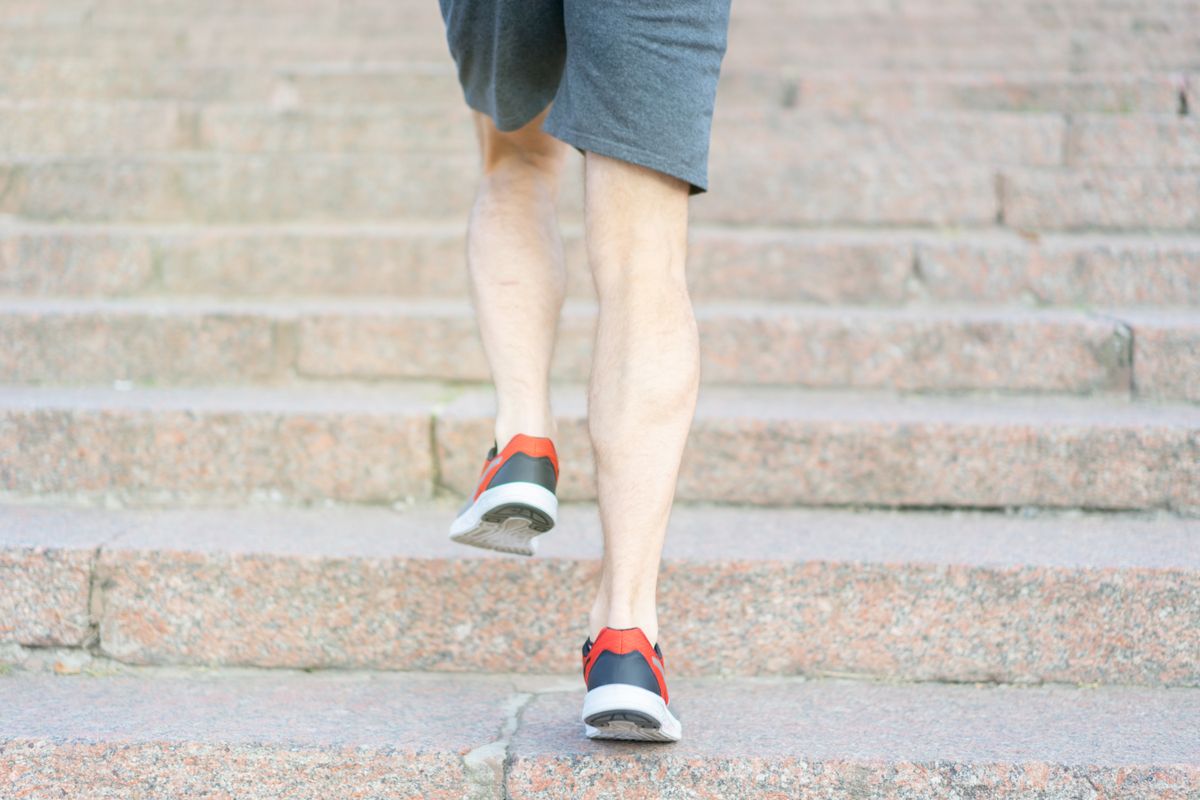
The image shows outdoor walking on steps, which fits a page about hiking path, surface, pace, footing, and stop points. It is general-education context, not proof of a result.
Article match: outdoor walking or hiking context, steps, path surface, pace, balance, and turnaround decisions. The image is close because it supports hiking-as-walking education without proving trail readiness, outdoor safety, fitness status, body change, or medical clearance. Article match: walking, cardio.
Image: Person Walking Up Stone Stairs. Author: Pexels photographer, see source page. License: Pexels License. Library: Pexels.