exercise types
Recreational Sports As Exercise
How can you read recreational sports as exercise without turning a casual game into performance advice or injury guidance?
Recreational sport works best as a movement setting first: a game, court, field, group, or rule set that changes pace, stopping, contact, and attention. Start by choosing a lower-pressure format where you can leave, slow down, substitute, or sit out without turning the game into a test. Read it first for one decision: sport format, surface, footwear, equipment, contact level, group pace, pause option, substitution option, breath, balance, and stop point. If the answer is unclear, make the next version smaller or move to the ask-first page before adding time, speed, load, range, or another page.
Choose a familiar casual format, agree on a way to pause or substitute, keep the first round short, and stop when pain, dizziness, chest discomfort, severe breathlessness, contact risk, surface problems, or social pressure makes leaving unclear.
Read This First
You may want basketball, tennis, pickleball, soccer, softball, volleyball, frisbee, or another casual sport to count as movement, but you do not want a training plan, injury-prevention promise, return-to-play advice, or pressure to keep up with competitive players.
Choose a familiar casual format, agree on a way to pause or substitute, keep the first round short, and stop when pain, dizziness, chest discomfort, severe breathlessness, contact risk, surface problems, or social pressure makes leaving unclear.
sport format, surface, footwear, equipment, contact level, group pace, pause option, substitution option, breath, balance, and stop point
Use a shorter round, slower format, lower-contact role, smaller play area, easier opponent mix, no-score version, or skill practice before a full game.
Choose the option by setting, support, and stop point.
Type pages compare walking, strength, mobility, cardio, and similar choices by what the reader can safely start and leave today.
- Pick the movement that can be shortened without changing the whole day.
- Recreational Sports As Exercise - Choose The Game Format Before You Choose Effort: look first for sport format, surface, footwear, equipment, contact level, group pace, pause option, substitution option, breath, balance, and stop point; if that signal is missing or crowded out by chest discomfort, faintness, severe shortness of breath, dizziness, head impact, numbness, unusual pain, unstable balance, panic, or unsafe symptoms, make the next version smaller before reading onward.
- Pick the version that can be shortened without guilt.
- Ask a clinician, physical therapist, athletic trainer, coach, emergency service, or qualified fitness professional when symptoms, head impact, injury history, surgery, chronic disease, pregnancy, medication, recovery, or professional instructions shape the sport decision.
Safety Boundary
This is general education, not medical advice. Stop for warning signs and ask a qualified professional when the situation is personal, uncertain, or higher risk.
Not For
- diagnosis of pain, injury risk, heart or lung symptoms, concussion, joint readiness, balance, coordination, or sport fitness
- replacing a clinician, physical therapist, athletic trainer, coach, emergency service, or qualified fitness professional
- return-to-play decisions, injury prevention, competitive programming, sport skill coaching, weight change, body change, calorie targets, or performance goals
What To Look For
Read the page by the signal you need to understand, then choose the next page only when that signal is clearer.
Decision 1
Choose The Game Format Before You Choose Effort
Recreational Sports As Exercise - Choose The Game Format Before You Choose Effort: look first for sport format, surface, footwear, equipment, contact level, group pace, pause option, substitution option, breath, balance, and stop point; if that signal is missing or crowded out by chest discomfort, faintness, severe shortness of breath, dizziness, head impact, numbness, unusual pain, unstable balance, panic, or unsafe symptoms, make the next version smaller before reading onward.
A casual sport can feel like exercise, play, competition, or social pressure depending on the format. This part matters only if it changes the next visible choice instead of adding a generic reason to move.
Start with the format, not the effort. Recreational sport can mean a half-court basketball shootaround, doubles pickleball, casual soccer passing, a softball warm-up, backyard volleyball, frisbee in a park, or a full pickup game. Those are not the same movement decision.
The useful first question is whether the format lets you pause, substitute, shorten the round, or leave without feeling trapped by the score. If you are returning after a long break, playing with faster people, or trying a sport you barely know, choose the version with fewer players, smaller space, slower rules, or lower contact. You are not proving fitness or toughness.
You are learning whether the game setting keeps movement readable. Write down the sport, group, duration, surface, contact level, and how easy it was to step out. That record tells you more than a win, loss, score, or app calorie estimate.
It also gives you a repeatable format to adjust before the next casual game. Choose The Game Format Before You Choose Effort should change what the reader watches next, not simply restate the guide topic. In recreational sports as exercise, the section is useful when it turns the movement category behind choose the game format before you choose effort into a visible check: sport format, surface, footwear, equipment, contact level, group pace, pause option, substitution option, breath, balance, and stop point.
If the same attempt points instead to chest discomfort, faintness, severe shortness of breath, dizziness, head impact, numbness, unusual pain, unstable balance, panic, or unsafe symptoms, the guide should narrow the choice, reduce the demand, or move the reader toward qualified help. CDC (Physical Activity Guidelines) and NHS (Exercise) shape this dimension without becoming instructions to copy. CDC gives this guide public-facing vocabulary and a limit on what the guide can say.
NHS adds a second comparison point so the guide does not lean on one article or one phrasing pattern. The final wording should therefore stay with what can be observed, what should not be assumed, and what question belongs outside a self-directed page.
Decision 2
Surface, Footwear, And Equipment Change The Sport
Recreational Sports As Exercise - Surface, Footwear, And Equipment Change The Sport: choose the next move from the visible signal, then direct symptoms, personal risk, or unclear safety to qualified help.
The same sport can ask a different question on grass, asphalt, wood, sand, court lines, or uneven ground.
A sport is never just the movement. The court, field, grass, sand, asphalt, gym floor, lighting, weather, footwear, ball, racket, stick, net, and nearby people all change what you are trying. Before judging the exercise value, name the setup.
Is the surface predictable? Can your shoes stop and turn without sliding? Is the ball speed reasonable?
Can you see the lines and other players? Can you leave the play area without crossing another game? If the setup is noisy, reduce the game before increasing effort.
You might shoot baskets instead of playing defense, practice short rallies instead of full points, or choose passing instead of scrimmage. Equipment literacy is not a side detail; it can be the reason the first version stays calm. You do not need perfect gear from a web article.
You need one sport setting where stopping, seeing, and stepping away stay clear. Keep that setup stable for one attempt before changing the sport, pace, or group. Recreational Sports As Exercise needs surface, footwear, and equipment change the sport to answer a smaller question than "what should I do next?" Use the setup, support, equipment, and stop point in recreational sports as exercise as the filter and leave with one note: the strongest signal was warm-up, intensity, balance, contact, social pressure, cool-down, pain, dizziness, head impact, or professional-boundary guidance.
If the note is only motivation, guilt, or a vague sense that more effort must be better, the section has not done its job yet. ACE Fitness (Exercise Library) and Verywell Fit (Beginner Workouts) shape this dimension without becoming instructions to copy. ACE Fitness is used here for reader-question coverage and article structure, not as proof of a health outcome.
Verywell Fit adds a second comparison point so the guide does not lean on one article or one phrasing pattern. The final wording should therefore stay with what can be observed, what should not be assumed, and what question belongs outside a self-directed page. If a park field is uneven and wet, casual passing may answer more than a game that asks for cutting and sudden stops.
After one attempt, the note should be plain enough to compare later: the strongest signal was warm-up, intensity, balance, contact, social pressure, cool-down, pain, dizziness, head impact, or professional-boundary guidance. If nothing useful changes, the fallback is not to push harder; it is to use a shorter round, slower format, lower-contact role, smaller play area, easier opponent mix, no-score version, or skill practice before a full game. If the signal is mixed, change one variable at a time: sport format, surface, footwear, opponent pace, ball speed, number of players, contact rule, warm-up, pause rule, or cool-down.
Decision 3
Pace And Substitution Keep The Game Observable
Recreational Sports As Exercise - Pace And Substitution Keep The Game Observable: use this section to choose repeat, reduce, pause, or ask, not to prove progress; watch you could step out calmly without needing to explain yourself to the group.
Sports often change pace faster than planned because other people, rules, and scoring keep moving. This part matters only if it changes the next visible choice instead of adding a generic reason to move.
Pace in a sport is partly yours and partly shared. A rally continues, a teammate passes, an opponent speeds up, and the next point begins before you have fully noticed breath, balance, or fatigue. That is why substitution, pause rules, and shorter rounds matter.
Before you begin, agree on an easy way to sit out, swap in, play half court, shorten the game, or choose a lower-speed role. Use conversation as one simple signal: if talking, stopping, or understanding the next play disappears, pace has become the topic. That does not diagnose safety, but it tells you not to solve the problem by trying harder.
Reduce the format, take a break, or path to intensity safety. The scoreboard should not decide your stop point. The first useful sport session is one where you can describe the effort without being swept along by the group.
The pause rule should be decided before you need it. Pace And Substitution Keep The Game Observable belongs in recreational sports as exercise because it can separate one ordinary signal from a larger claim. For this guide, which part of the option should stay optional matters more than finishing a routine.
The reader should finish the section knowing whether to repeat the same version, make it smaller, change the setting, or pause because you needed to sprint, cut, jump, collide, or keep playing after your planned stop line. CDC (Measuring Physical Activity Intensity) and MoveKind (Exercise Intensity Safety) shape this dimension without becoming instructions to copy. CDC gives this guide public-facing vocabulary and a limit on what the guide can say.
Exercise Intensity Safety supplies the site link if this section becomes the reader's next decision. The final wording should therefore stay with what can be observed, what should not be assumed, and what question belongs outside a self-directed page. If a pickup soccer game moves too fast, switching to passing drills or a smaller-sided slower format may keep effort readable.
After one attempt, the note should be plain enough to compare later: you could step out calmly without needing to explain yourself to the group. If nothing useful changes, the fallback is not to push harder; it is to use a shorter round, slower format, lower-contact role, smaller play area, easier opponent mix, no-score version, or skill practice before a full game. If the signal is mixed, change one variable at a time: sport format, surface, footwear, opponent pace, ball speed, number of players, contact rule, warm-up, pause rule, or cool-down.
Decision 4
Contact And Competition Need A Clear Stop Line
Recreational Sports As Exercise - Contact And Competition Need A Clear Stop Line: look first for the next version should be shorter, slower, lower-contact, smaller-sided, better supported, or replaced with a ask-first page; if that signal is missing or crowded out by chest discomfort, faintness, severe shortness of breath, dizziness, head impact, numbness, unusual pain, unstable balance, panic, or unsafe symptoms, make the next version smaller before reading onward.
Casual play can become competitive before a beginner notices the health and safety boundary has changed. This part matters only if it changes the next visible choice instead of adding a generic reason to move.
The moment a sport adds contact, collisions, dives, hard throws, aggressive defense, fast cutting, or head impact risk, the guide should stop pretending the only issue is exercise. You can still enjoy recreational sport, but you need a clear stop line before play begins. Decide which version you will skip: full contact, hard defense, crowded courts, sliding, sprinting after loose balls, playing through pain, or continuing after a hit.
If you are unsure whether a symptom, previous injury, concussion history, medication, pregnancy, surgery, or chronic condition changes the decision, ask qualified help before reading the game as ordinary movement. Competition also changes judgment. People keep playing because the match is close or because others expect it.
That is exactly when a pre-agreed stop line helps. You are allowed to step out before the game proves anything. A safer sports article makes that permission explicit.
Share the stop line with one person if the group tends to keep playing. Contact And Competition Need A Clear Stop Line should change what the reader watches next, not simply restate the guide topic. In recreational sports as exercise, the section is useful when it turns the movement category behind contact and competition need a clear stop line into a visible check: the next version should be shorter, slower, lower-contact, smaller-sided, better supported, or replaced with a ask-first page.
If the same attempt points instead to chest discomfort, faintness, severe shortness of breath, dizziness, head impact, numbness, unusual pain, unstable balance, panic, or unsafe symptoms, the guide should narrow the choice, reduce the demand, or move the reader toward qualified help. American Heart Association (Recommendations For Physical Activity In Adults And Kids) and CDC (Physical Activity Guidelines) shape this dimension without becoming instructions to copy. American Heart Association gives this guide public-facing vocabulary and a limit on what the guide can say.
CDC adds a second comparison point so the guide does not lean on one article or one phrasing pattern. The final wording should therefore stay with what can be observed, what should not be assumed, and what question belongs outside a self-directed page. If a casual basketball game turns into hard defense and contact near the hoop, stepping back to shooting or passing keeps the decision in your control.
After one attempt, the note should be plain enough to compare later: the next version should be shorter, slower, lower-contact, smaller-sided, better supported, or replaced with a ask-first page. If nothing useful changes, the fallback is not to push harder; it is to use a shorter round, slower format, lower-contact role, smaller play area, easier opponent mix, no-score version, or skill practice before a full game. If the signal is mixed, change one variable at a time: sport format, surface, footwear, opponent pace, ball speed, number of players, contact rule, warm-up, pause rule, or cool-down.
Decision 5
The Next Read Should Follow The Game Signal
Recreational Sports As Exercise - The Next Read Should Follow The Game Signal: choose the next move from the visible signal, then direct symptoms, personal risk, or unclear safety to qualified help.
A sport session can point toward warm-up, intensity, balance, strength, cool-down, or safety, so related links need a reason.
After one recreational sport attempt, choose the next page from the strongest signal. If the game felt abrupt from the first minute, read warm-up basics. If pace, sprinting, or breath was the loudest signal, read intensity safety or the talk test.
If court movement made balance or stopping hard, read balance basics before adding speed. If the game ended with breath, soreness, range, or post-session uncertainty, read cool-down movement. If you noticed pain, dizziness, head impact, chest discomfort, severe breathlessness, or pressure to keep playing, read when to stop or ask a professional.
This keeps internal links from becoming a hidden training plan. Your next page should lower uncertainty, not add drills. If two signals compete, choose the one that affects stopping or safety first.
If nothing is clear, repeat a smaller, slower, lower-contact game format before adding time, opponents, or competition. The next read should match your note, not the sport's reputation. Recreational Sports As Exercise needs the next read should follow the game signal to answer a smaller question than "what should I do next?" Use the setup, support, equipment, and stop point in recreational sports as exercise as the filter and leave with one note: sport format, surface, footwear, equipment, contact level, group pace, pause option, substitution option, breath, balance, and stop point.
If the note is only motivation, guilt, or a vague sense that more effort must be better, the section has not done its job yet. MoveKind (Cool-Down Movement Basics) and CDC (Measuring Physical Activity Intensity) shape this dimension without becoming instructions to copy. MoveKind is used here for reader-question coverage and article structure, not as proof of a health outcome.
CDC adds a second comparison point so the guide does not lean on one article or one phrasing pattern. The final wording should therefore stay with what can be observed, what should not be assumed, and what question belongs outside a self-directed page. If the sport was fun but the fast pace made talking impossible, intensity safety is a better next read than a strength routine.
After one attempt, the note should be plain enough to compare later: sport format, surface, footwear, equipment, contact level, group pace, pause option, substitution option, breath, balance, and stop point. If nothing useful changes, the fallback is not to push harder; it is to use a shorter round, slower format, lower-contact role, smaller play area, easier opponent mix, no-score version, or skill practice before a full game. If the signal is mixed, change one variable at a time: sport format, surface, footwear, opponent pace, ball speed, number of players, contact rule, warm-up, pause rule, or cool-down.
After You Try It
After one casual sport attempt, you may understand whether the next decision is format, surface, pace, contact, group pressure, substitution, warm-up, cool-down, balance, or safety. That is not evidence of sport readiness, injury protection, fitness status, body change, or medical clearance.
What To Observe
- sport format, surface, footwear, equipment, contact level, group pace, pause option, substitution option, breath, balance, and stop point
- whether the strongest signal was warm-up, intensity, balance, contact, social pressure, cool-down, pain, dizziness, head impact, or professional-boundary guidance
- whether you could step out calmly without needing to explain yourself to the group
- whether the next version should be shorter, slower, lower-contact, smaller-sided, better supported, or replaced with a ask-first page
Too Much
- chest discomfort, faintness, severe shortness of breath, dizziness, head impact, numbness, unusual pain, unstable balance, panic, or unsafe symptoms
- the group pace, score, opponent, contact, or court setup made stopping feel socially or physically difficult
- you needed to sprint, cut, jump, collide, or keep playing after your planned stop line
If Nothing Improves Or It Feels Worse
Use a shorter round, slower format, lower-contact role, smaller play area, easier opponent mix, no-score version, or skill practice before a full game.
Change one variable at a time: sport format, surface, footwear, opponent pace, ball speed, number of players, contact rule, warm-up, pause rule, or cool-down.
Pause when the game worsens pain, breath, dizziness, balance, head impact concern, fatigue, anxiety, equipment confidence, or pressure to keep playing.
Ask a clinician, physical therapist, athletic trainer, coach, emergency service, or qualified fitness professional when symptoms, head impact, injury history, surgery, chronic disease, pregnancy, medication, recovery, or professional instructions shape the sport decision.
When To Stop Or Ask First
- Stop for chest discomfort, faintness, severe shortness of breath, dizziness, head impact, numbness, unusual pain, confusion, loss of coordination, unstable balance, panic, or symptoms that feel unsafe.
- Ask first when previous injury, concussion history, medication, chronic disease, pregnancy, recent illness, surgery, recovery, or professional instructions change the decision.
- Use recreational sports as exercise as general education and not medical advice, diagnosis, treatment, injury prevention, return-to-play guidance, sport coaching, or personal programming.
Next Decision
Choose the next page from what you noticed, not from a harder goal.
Pick Warm-Up Exercise Basics after recreational sports as exercise if use this path when the reader can describe sport is the clearest education signal; keep the safety boundary around symptoms, personal risk, and qualified help.
If The Setup Needs To ShrinkHome Exercise Space SafetyUse this path when you can describe the strongest signal was warm-up, intensity, balance, contact, social pressure, cool-down, pain, dizziness, head impact, or professional-boundary guidance.Use Home Exercise Space Safety after recreational sports as exercise when it clarifies what equipment or support changes the choice; it is general education, not personal clearance, treatment, or a program.
If Safety Is The QuestionExercise Intensity SafetyUse this path when you needed to sprint, cut, jump, collide, or keep playing after your planned stop line changes the decision.Choose Exercise Intensity Safety after recreational sports as exercise when use this path when the reader needed to sprint changes the setting, support, or stop point; qualified help still handles symptoms or risk.
If The Neighboring Topic FitsWhen To Stop ExercisingUse this path when you can describe the next version should be shorter, slower, lower-contact, smaller-sided, better supported, or replaced with a ask-first page.Read When To Stop Exercising after recreational sports as exercise if when to stop exercising is the better question before adding effort; keep personal risk outside self-direction.
How To Use The Source Notes
The reviewed sources support recreational sport only as a general physical-activity setting with intensity, category, and stopping language. They do not support sport clearance, injury prevention, return-to-play decisions, contact-risk judgment, or competitive programming.
CDC, NHS, and AHA anchor public activity and intensity boundaries; ACE and Verywell Fit are used only for vocabulary and competitor coverage comparison; MoveKind internal links path intensity and cool-down decisions.
No source is used to prescribe sport drills, match length, contact rules, warm-up sets, injury-prevention methods, recovery decisions, or personal clearance.
the guide is organized around five decisions: game format, field or court setup, pace and substitution, contact and competition pressure, and signal-based next linking after one casual game.
Practical Steps
- Choose a lower-pressure sport format before choosing effort.
- Agree on a pause, substitution, or sit-out option before play begins.
- Name the court, field, surface, footwear, equipment, and contact level.
- Use talking, stopping, and stepping out as effort checks during the first round.
- Write down the strongest signal after the game rather than judging by score.
- Use safety or qualified help when symptoms, contact, head impact, injury history, or medical instructions shape the decision.
Common Mistakes
- Reading a casual sport as a training plan or readiness test.
- Letting the scoreboard, group pace, or opponent decide the stop point.
- Ignoring surface, footwear, equipment, contact, and substitution rules.
- Adding competitive rounds before the first format is readable.
- Continuing after head impact, chest discomfort, severe breathlessness, dizziness, unusual pain, or unsafe symptoms.
FAQ
Is Recreational Sports As Exercise medical advice?
No. This is general education and not medical advice. It does not diagnose injuries, prevent injury, provide return-to-play guidance, coach sport skills, or clear personal risk.
Can a casual sport count as movement?
It can be a movement setting, but the first decision is whether the format, pace, surface, contact level, and stop point stay readable for you.
What should I notice after one game?
Notice sport format, group pace, surface, equipment, contact, breath, balance, pause options, social pressure, and whether stepping out felt possible.
What if the sport feels too intense?
Make the format shorter, slower, lower-contact, smaller-sided, or no-score. If symptoms or injury concerns appear, choose safety or qualified help.
When should recreational sport stop?
Stop for chest discomfort, faintness, severe breathlessness, dizziness, head impact, numbness, unusual pain, confusion, loss of coordination, unstable balance, or unsafe symptoms.
Image Source
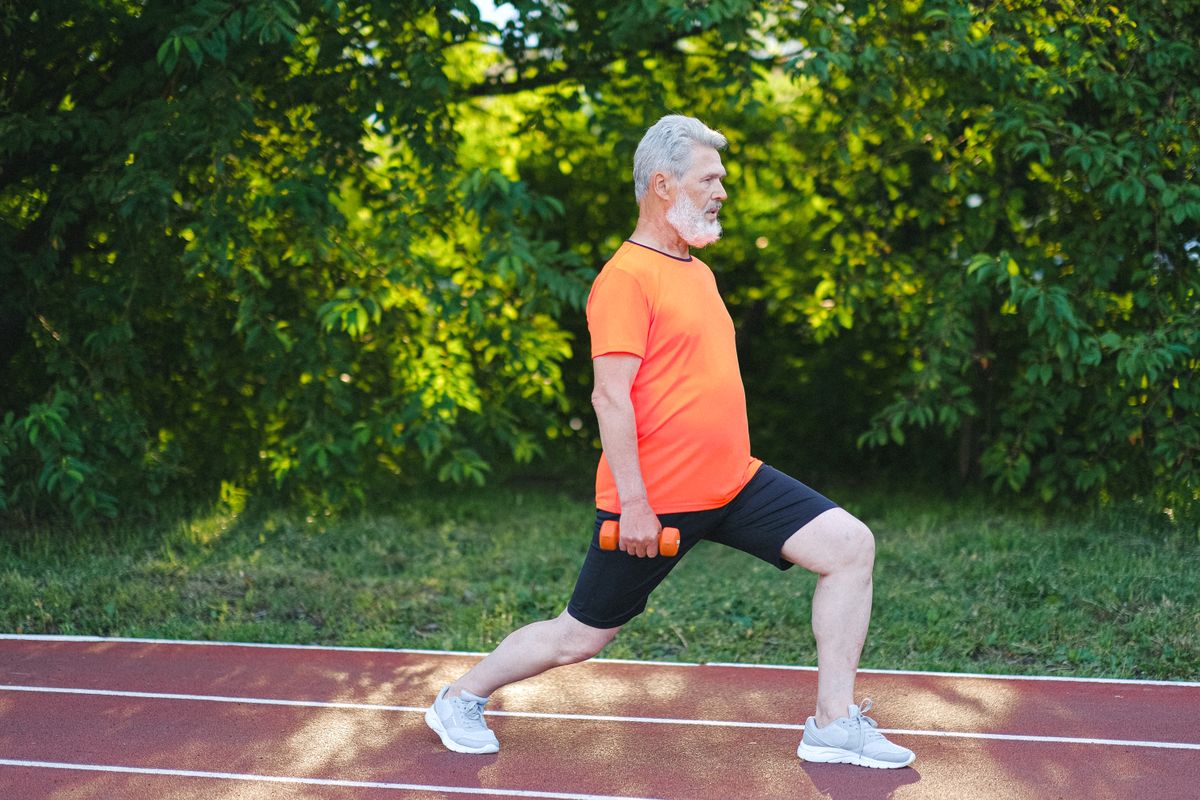
The image shows a sport setting, which fits a page about game format, pace, surface, contact, equipment, and stop points. It is general-education context, not proof of a result.
Article match: recreational sport, casual movement, group or field context, pace decisions, warm-up or cool-down linking, and stopping boundaries. The image is exact because it supports sport-as-movement without implying injury prevention, performance gain, body change, or medical clearance. Article match: sports.
Image: Senior Man Doing Sport Exercises. Author: Pexels photographer, see source page. License: Pexels License. Library: Pexels.