exercise types
Small-Space Exercise Basics
How should a beginner use small-space exercise without letting the room decide the routine?
Small-space exercise is a room-management decision before it is a workout decision. The useful first step is to make one clear movement lane, choose a movement that does not need travel, and keep the exit, furniture, floor, and noise level easy to read. Read it first for one decision: room lane, furniture edges, floor grip, sound, footwear, pets, children, equipment placement, breath, balance, and exit path. If the answer is unclear, make the next version smaller or move to the ask-first page before adding time, speed, load, range, or another page.
Clear one arm-span of space, choose one familiar low-travel movement, and stop after the first attempt if furniture, floor grip, neighbors, pets, breath, balance, or the exit path becomes the main signal.
Read This First
You want to move in a bedroom, living room, office corner, hotel room, or apartment, but you are not sure whether to use bodyweight moves, a chair, a band, light weights, a mat, or quiet standing movement.
Clear one arm-span of space, choose one familiar low-travel movement, and stop after the first attempt if furniture, floor grip, neighbors, pets, breath, balance, or the exit path becomes the main signal.
room lane, furniture edges, floor grip, sound, footwear, pets, children, equipment placement, breath, balance, and exit path
Use one smaller lane, one support point, one lower-travel movement, one quieter option, no equipment, or a seated version that can stop immediately.
Choose the option by setting, support, and stop point.
Type pages compare walking, strength, mobility, cardio, and similar choices by what the reader can safely start and leave today.
- Pick the movement that can be shortened without changing the whole day.
- Small-Space Exercise Basics - The Room Lane Comes Before The Exercise: look first for room lane, furniture edges, floor grip, sound, footwear, pets, children, equipment placement, breath, balance, and exit path; if that signal is missing or crowded out by chest discomfort, faintness, severe shortness of breath, dizziness, unusual pain, panic, numbness, unstable balance, or unsafe symptoms, make the next version smaller before reading onward.
- Pick the version that can be shortened without guilt.
- Ask a clinician, physical therapist, emergency service, coach, housing or building safety contact, or qualified fitness professional when symptoms, falls, medication, pregnancy, illness, surgery, chronic disease, recovery, injury history, unsafe flooring, or professional instructions shape the small-space decision.
Safety Boundary
This is general education, not medical advice. Stop for warning signs and ask a qualified professional when the situation is personal, uncertain, or higher risk.
Not For
- diagnosis of pain, dizziness, breath symptoms, balance, fatigue, fitness level, floor risk, or medical readiness
- replacing a clinician, physical therapist, coach, emergency service, or qualified fitness professional
- personal programming, rehab guidance, posture correction, medical clearance, weight change, body change, calorie targets, or performance goals
What To Look For
Read the page by the signal you need to understand, then choose the next page only when that signal is clearer.
Decision 1
The Room Lane Comes Before The Exercise
Small-Space Exercise Basics - The Room Lane Comes Before The Exercise: look first for room lane, furniture edges, floor grip, sound, footwear, pets, children, equipment placement, breath, balance, and exit path; if that signal is missing or crowded out by chest discomfort, faintness, severe shortness of breath, dizziness, unusual pain, panic, numbness, unstable balance, or unsafe symptoms, make the next version smaller before reading onward.
A small room can make a movement look possible while quietly removing the option to stop or step away.
Small-space exercise starts by drawing the room lane. The lane is the clear area where your feet, hands, chair, mat, band, or light weights can move without hitting furniture or blocking the exit. In a bedroom or office corner, that lane may be only one step forward, one step back, and one arm reach to each side.
That is enough for many low-travel options, but only if you can stop without turning around quickly or grabbing unstable furniture. Before choosing an exercise, stand in the lane and test the path to leave it. If the doorway, rug edge, table leg, pet bed, toy, or chair corner makes stepping away awkward, the setup needs attention before effort does.
A useful first attempt might be one marching pattern, one wall-supported reach, or one chair-supported movement. The room lane teaches whether the setting is readable. It does not prove that the movement, intensity, or equipment belongs to you.
The Room Lane Comes Before The Exercise should change what the reader watches next, not simply restate the guide topic. In small-space exercise basics, the section is useful when it turns the movement category behind the room lane comes before the exercise into a visible check: room lane, furniture edges, floor grip, sound, footwear, pets, children, equipment placement, breath, balance, and exit path. If the same attempt points instead to chest discomfort, faintness, severe shortness of breath, dizziness, unusual pain, panic, numbness, unstable balance, or unsafe symptoms, the guide should narrow the choice, reduce the demand, or move the reader toward qualified help.
NHS (Exercise) and MoveKind (Home Exercise Space Safety) shape this dimension without becoming instructions to copy. NHS gives this guide public-facing vocabulary and a limit on what the guide can say. Home Exercise Space Safety supplies the site link if this section becomes the reader's next decision.
The final wording should therefore stay with what can be observed, what should not be assumed, and what question belongs outside a self-directed page.
Decision 2
Low-Travel Movement Keeps The Signal Clean
Small-Space Exercise Basics - Low-Travel Movement Keeps The Signal Clean: choose the next move from the visible signal, then direct symptoms, personal risk, or unclear safety to qualified help.
A small space can turn travel, turning, and speed into hidden effort before the reader notices. This part matters only if it changes the next visible choice instead of adding a generic reason to move.
The first movement in a small space should use little travel. That might mean marching in place, heel raises near support, a wall press, seated knee lifts, a band pull with elbows close, or a gentle standing mobility check. The point is not that those are the right movements for everyone.
The point is that they keep the room from becoming the main risk. Travel adds variables: turning, crossing rugs, stepping around furniture, changing direction, and watching the floor instead of breath or control. If you cannot name where the movement begins and ends, make it smaller.
Use the same spot on the floor and the same support for one attempt, then write down what became noisy: breath, balance, floor grip, neighbor noise, space, equipment, or confidence. Public activity guidance can support the value of moving more in broad terms, but the compact-room decision is much narrower. You are testing whether one low-travel action stays easy to start, pause, and leave.
Small-Space Exercise Basics needs low-travel movement keeps the signal clean to answer a smaller question than "what should I do next?" Use the setup, support, equipment, and stop point in small-space exercise basics as the filter and leave with one note: the strongest signal was bodyweight position, chair support, band setup, quiet apartment constraints, intensity, or space safety. If the note is only motivation, guilt, or a vague sense that more effort must be better, the section has not done its job yet. CDC (Physical Activity Guidelines) and MoveKind (Bodyweight Exercise Basics) shape this dimension without becoming instructions to copy.
CDC gives this guide public-facing vocabulary and a limit on what the guide can say. Bodyweight Exercise Basics supplies the site link if this section becomes the reader's next decision. The final wording should therefore stay with what can be observed, what should not be assumed, and what question belongs outside a self-directed page.
A slow march beside a stable chair may reveal more than a compact cardio video that asks for turns and quick direction changes. After one attempt, the note should be plain enough to compare later: the strongest signal was bodyweight position, chair support, band setup, quiet apartment constraints, intensity, or space safety. If nothing useful changes, the fallback is not to push harder; it is to use one smaller lane, one support point, one lower-travel movement, one quieter option, no equipment, or a seated version that can stop immediately.
If the signal is mixed, change one variable at a time: room, floor, footwear, chair, wall, band, mat, noise level, timer, movement category, or whether the question belongs to safety.
Decision 3
Furniture Can Be Support Or Clutter
Small-Space Exercise Basics - Furniture Can Be Support Or Clutter: use this section to choose repeat, reduce, pause, or ask, not to prove progress; watch the same room setup would feel realistic to repeat without adding speed, impact, travel, equipment, or a longer routine.
Chairs, walls, beds, desks, and counters can help or interfere depending on whether they are stable and intentional.
Furniture is not automatically helpful. A sturdy chair can provide orientation for a seated movement or a light touch during standing work, while a rolling office chair, soft bed, cluttered desk, or narrow counter can create more uncertainty. Decide whether the object is support or clutter before using it.
Support should stay still, leave room for your feet, and let you step away without twisting. Clutter pulls attention away from movement: cords, laundry baskets, table corners, loose rugs, pets, and doors that swing into the lane. If you are using a chair, place it where the floor is even and where standing up does not require pushing hard or turning around a sharp corner.
If you are using a wall, make sure your hands can leave it easily. A small-space page should make furniture visible as part of the attempt, not as background. The next decision may be chair exercise, wall support, or room safety, not a harder version.
Furniture Can Be Support Or Clutter belongs in small-space exercise basics because it can separate one ordinary signal from a larger claim. For this guide, which part of the option should stay optional matters more than finishing a routine. The reader should finish the section knowing whether to repeat the same version, make it smaller, change the setting, or pause because furniture, floor, sound, pets, children, shared space, or equipment made the movement harder to stop than to start.
MedlinePlus (Exercise And Physical Fitness) and Mayo Clinic (Fitness Basics) shape this dimension without becoming instructions to copy. MedlinePlus gives this guide public-facing vocabulary and a limit on what the guide can say. Mayo Clinic adds a second comparison point so the guide does not lean on one article or one phrasing pattern.
The final wording should therefore stay with what can be observed, what should not be assumed, and what question belongs outside a self-directed page. A dining chair against a wall may be a clearer support than a wheeled desk chair that slides when you touch it. After one attempt, the note should be plain enough to compare later: the same room setup would feel realistic to repeat without adding speed, impact, travel, equipment, or a longer routine.
If nothing useful changes, the fallback is not to push harder; it is to use one smaller lane, one support point, one lower-travel movement, one quieter option, no equipment, or a seated version that can stop immediately. If the signal is mixed, change one variable at a time: room, floor, footwear, chair, wall, band, mat, noise level, timer, movement category, or whether the question belongs to safety.
Decision 4
Floor, Noise, And Neighbors Change The Choice
Small-Space Exercise Basics - Floor, Noise, And Neighbors Change The Choice: look first for the next page should be bodyweight basics, chair basics, resistance band basics, quiet apartment ideas, or exercise intensity safety; if that signal is missing or crowded out by chest discomfort, faintness, severe shortness of breath, dizziness, unusual pain, panic, numbness, unstable balance, or unsafe symptoms, make the next version smaller before reading onward.
Compact rooms often have rugs, shared walls, thin floors, pets, and neighbors that change what movement can be repeated.
Small-space movement often fails because the setting is real: a rug shifts, a floor creaks, a downstairs neighbor hears impact, a pet crosses the lane, or a roommate needs the room. Those details are not excuses; they are the design constraints. Write down floor grip, sound, footwear, mat edge, wall clearance, and who else shares the space.
If noise is the constraint, choose quiet step patterns, seated options, slow range changes, or wall-supported movement instead of jumps or fast footwork. If floor grip is the constraint, change shoes, mat placement, or the room before changing the exercise. If pets or children enter the lane, stop and reset rather than stepping around them.
This keeps the first attempt repeatable. A quiet, low-travel movement that you can repeat three times this week may be more useful than a compact routine that creates noise, friction, or unsafe interruptions. That record also helps you avoid blaming motivation when the room itself is the constraint.
Floor, Noise, And Neighbors Change The Choice should change what the reader watches next, not simply restate the guide topic. In small-space exercise basics, the section is useful when it turns the movement category behind floor, noise, and neighbors change the choice into a visible check: the next page should be bodyweight basics, chair basics, resistance band basics, quiet apartment ideas, or exercise intensity safety. If the same attempt points instead to chest discomfort, faintness, severe shortness of breath, dizziness, unusual pain, panic, numbness, unstable balance, or unsafe symptoms, the guide should narrow the choice, reduce the demand, or move the reader toward qualified help.
CDC (Benefits Of Physical Activity) and Healthline (How To Start Exercising: A Beginner's Guide To Working Out) shape this dimension without becoming instructions to copy. CDC gives this guide public-facing vocabulary and a limit on what the guide can say. Healthline adds a second comparison point so the guide does not lean on one article or one phrasing pattern.
The final wording should therefore stay with what can be observed, what should not be assumed, and what question belongs outside a self-directed page.
Decision 5
Equipment Should Shrink The Problem
Small-Space Exercise Basics - Equipment Should Shrink The Problem: choose the next move from the visible signal, then direct symptoms, personal risk, or unclear safety to qualified help.
Bands, dumbbells, mats, timers, and chairs can make a compact room clearer or add clutter. This part matters only if it changes the next visible choice instead of adding a generic reason to move.
Equipment belongs in a small space only when it shrinks the problem. A band can keep movement in one place, but it can also create anchor, tension, and snap-back questions. A dumbbell can make a movement simple to locate, but it can also add grip, storage, and foot-clearance concerns.
A mat can define a lane, but it can also curl or slide. A timer can keep the attempt brief, but it can also make you rush. Choose one tool at most for the first attempt and place every object before moving.
If you need to step over a band, reach around a chair, carry weights through a narrow path, or move the mat mid-session, equipment is adding noise. Use the tool that makes the signal easiest to observe: support, range, strength category, quietness, or stopping. If no tool helps, the better first version is equipment-free.
Keep unused tools outside the lane so the ending stays simple. Small-Space Exercise Basics needs equipment should shrink the problem to answer a smaller question than "what should I do next?" Use the setup, support, equipment, and stop point in small-space exercise basics as the filter and leave with one note: room lane, furniture edges, floor grip, sound, footwear, pets, children, equipment placement, breath, balance, and exit path. If the note is only motivation, guilt, or a vague sense that more effort must be better, the section has not done its job yet.
ACE Fitness (Exercise Library) and Verywell Fit (Beginner Workouts) shape this dimension without becoming instructions to copy. ACE Fitness is used here for reader-question coverage and article structure, not as proof of a health outcome. Verywell Fit adds a second comparison point so the guide does not lean on one article or one phrasing pattern.
The final wording should therefore stay with what can be observed, what should not be assumed, and what question belongs outside a self-directed page. A loop band placed beside a chair may help one controlled pull, but a scattered set of bands and weights can make the room less readable. After one attempt, the note should be plain enough to compare later: room lane, furniture edges, floor grip, sound, footwear, pets, children, equipment placement, breath, balance, and exit path.
If nothing useful changes, the fallback is not to push harder; it is to use one smaller lane, one support point, one lower-travel movement, one quieter option, no equipment, or a seated version that can stop immediately. If the signal is mixed, change one variable at a time: room, floor, footwear, chair, wall, band, mat, noise level, timer, movement category, or whether the question belongs to safety.
Decision 6
The Next Page Should Follow The Room Signal
Small-Space Exercise Basics - The Next Page Should Follow The Room Signal: use this section to choose repeat, reduce, pause, or ask, not to prove progress; watch the strongest signal was bodyweight position, chair support, band setup, quiet apartment constraints, intensity, or space safety.
Small-space exercise can lead to bodyweight, chair, band, quiet apartment, or safety pages, so the link needs a real reason.
After one small-space attempt, choose the next page from the room signal, not from ambition. If the floor lane worked and you want no equipment, read bodyweight basics. If a chair gave the clearest support, read chair exercise basics.
If a band made one movement easier to locate, read resistance band basics before adding more tools. If sound and shared walls shaped the decision, read quiet apartment movement. If the room, floor, furniture, exit, dizziness, severe breathlessness, unusual pain, or unstable balance made stopping uncertain, move to safety before trying another compact idea.
This link path prevents a small-space article from becoming a routine order. A bedroom, office corner, or hotel room is not a progression system. It is a setting that reveals which constraint matters most.
the guide succeeds when you can name the next safe question: room lane, support, equipment, quietness, effort, or stop sign. If the reason is hard to name, repeat the same smaller setup before opening another page. The Next Page Should Follow The Room Signal belongs in small-space exercise basics because it can separate one ordinary signal from a larger claim.
For this guide, which part of the option should stay optional matters more than finishing a routine. The reader should finish the section knowing whether to repeat the same version, make it smaller, change the setting, or pause because furniture, floor, sound, pets, children, shared space, or equipment made the movement harder to stop than to start. Mayo Clinic (Fitness Basics) and MoveKind (Home Exercise Space Safety) shape this dimension without becoming instructions to copy.
Mayo Clinic gives this guide public-facing vocabulary and a limit on what the guide can say. Home Exercise Space Safety supplies the site link if this section becomes the reader's next decision. The final wording should therefore stay with what can be observed, what should not be assumed, and what question belongs outside a self-directed page.
If the movement was fine but the floor and furniture felt crowded, the next page should be space safety, not a harder standing sequence. After one attempt, the note should be plain enough to compare later: the strongest signal was bodyweight position, chair support, band setup, quiet apartment constraints, intensity, or space safety. If nothing useful changes, the fallback is not to push harder; it is to use one smaller lane, one support point, one lower-travel movement, one quieter option, no equipment, or a seated version that can stop immediately.
If the signal is mixed, change one variable at a time: room, floor, footwear, chair, wall, band, mat, noise level, timer, movement category, or whether the question belongs to safety.
After You Try It
After one small-space attempt, you may understand whether the room lane, furniture, floor, noise, equipment, support, or exit path is the real decision. That is not proof of fitness, balance, strength, body change, pain change, or personal readiness.
What To Observe
- room lane, furniture edges, floor grip, sound, footwear, pets, children, equipment placement, breath, balance, and exit path
- whether the strongest signal was bodyweight position, chair support, band setup, quiet apartment constraints, intensity, or space safety
- whether the same room setup would feel realistic to repeat without adding speed, impact, travel, equipment, or a longer routine
- whether the next page should be bodyweight basics, chair basics, resistance band basics, quiet apartment ideas, or exercise intensity safety
Too Much
- chest discomfort, faintness, severe shortness of breath, dizziness, unusual pain, panic, numbness, unstable balance, or unsafe symptoms
- you could not pause, step away, or return the room to normal without rushing
- furniture, floor, sound, pets, children, shared space, or equipment made the movement harder to stop than to start
If Nothing Improves Or It Feels Worse
Use one smaller lane, one support point, one lower-travel movement, one quieter option, no equipment, or a seated version that can stop immediately.
Change one variable at a time: room, floor, footwear, chair, wall, band, mat, noise level, timer, movement category, or whether the question belongs to safety.
Pause when the room setup worsens breath, dizziness, pain, balance, anxiety, noise conflict, floor uncertainty, or the ability to stop.
Ask a clinician, physical therapist, emergency service, coach, housing or building safety contact, or qualified fitness professional when symptoms, falls, medication, pregnancy, illness, surgery, chronic disease, recovery, injury history, unsafe flooring, or professional instructions shape the small-space decision.
When To Stop Or Ask First
- Stop for chest discomfort, faintness, severe shortness of breath, dizziness, unusual pain, confusion, numbness, unstable balance, panic, or symptoms that feel unsafe.
- Ask first when room safety, falls, medication, pregnancy, chronic disease, illness, surgery, recovery, injury history, new symptoms, or professional instructions change the decision.
- Use small-space exercise basics as general education and not medical advice, diagnosis, treatment, rehab guidance, floor-safety clearance, or personal programming.
Next Decision
Choose the next page from what you noticed, not from a harder goal.
Pick Home Exercise Space Safety after small-space exercise basics if use this path when the reader can describe room is the clearest education signal; keep the safety boundary around symptoms, personal risk, and qualified help.
If The Setup Needs To ShrinkBodyweight Exercise BasicsUse this path when you can describe the strongest signal was bodyweight position, chair support, band setup, quiet apartment constraints, intensity, or space safety.Use Bodyweight Exercise Basics after small-space exercise basics when it clarifies what equipment or support changes the choice; it is general education, not personal clearance, treatment, or a program.
If Safety Is The QuestionChair Exercise BasicsUse this path when furniture, floor, sound, pets, children, shared space, or equipment made the movement harder to stop than to start changes the decision.Choose Chair Exercise Basics after small-space exercise basics when use this path when furniture, floor, sound, pets, children changes the setting, support, or stop point; qualified help still handles symptoms or risk.
If The Neighboring Topic FitsQuiet Apartment Exercise IdeasUse this path when you can describe the next page should be bodyweight basics, chair basics, resistance band basics, quiet apartment ideas, or exercise intensity safety.Read Quiet Apartment Exercise Ideas after small-space exercise basics if quiet apartment exercise ideas is the better question before adding effort; keep personal risk outside self-direction.
How To Use The Source Notes
The reviewed sources support small-space exercise only as a general movement setting inside broader physical-activity education. They do not support a prescribed compact-room workout, floor-safety clearance, neighbor-noise answer, body outcome, or personal readiness decision.
CDC, MedlinePlus, NHS, and Mayo Clinic anchor public activity and conservative boundaries; ACE, Healthline, and Verywell Fit are used only for movement vocabulary and reader-question comparison; MoveKind internal links path bodyweight and home-space safety decisions.
No source is used to prescribe room size, repetitions, equipment, impact level, apartment noise rules, balance safety, body outcomes, or medical clearance.
the guide is organized around six decisions: the movement lane, low-travel options, support and furniture, floor and noise, equipment sprawl, and next-page linking from the limiting room signal.
Practical Steps
- Clear one arm-span lane and one direct exit before choosing a movement.
- Choose one low-travel option that starts and stops in the same spot.
- Decide whether furniture is support or clutter before touching it.
- Use one tool at most and place it before moving.
- Record floor, noise, equipment, breath, balance, and exit separately.
- Use safety or qualified help when symptoms, room hazards, falls, or professional instructions shape the decision.
Common Mistakes
- Choosing a compact routine before checking the room lane.
- Using a rolling chair, loose rug, or cluttered surface as support.
- Adding impact, speed, turns, or travel when noise or floor grip is the main signal.
- Letting bands, dumbbells, mats, or timers create clutter in a small room.
- Continuing after dizziness, chest discomfort, severe breathlessness, unstable balance, unusual pain, or unsafe symptoms.
FAQ
Is Small-Space Exercise Basics medical advice?
No. This page is general education and not medical advice. It does not diagnose symptoms, prescribe exercise, provide rehab guidance, judge floor safety, or clear personal risk.
What is the simplest small-space exercise to start with?
The simplest educational version is one low-travel movement in a clear lane, such as a standing march, wall touch, seated option, or light mobility check. It is not the right choice for every person.
What should I notice after one small-space attempt?
Notice room lane, floor grip, furniture, noise, equipment, breath, balance, and whether you could step away calmly.
What if the room feels too small?
Make the movement lower-travel, remove equipment, use a seated or wall-supported version, choose another room, or pause if the setup remains uncertain.
When should small-space exercise stop?
Stop for chest discomfort, faintness, severe breathlessness, dizziness, unusual pain, panic, numbness, unstable balance, or room conditions that feel unsafe.
Image Source
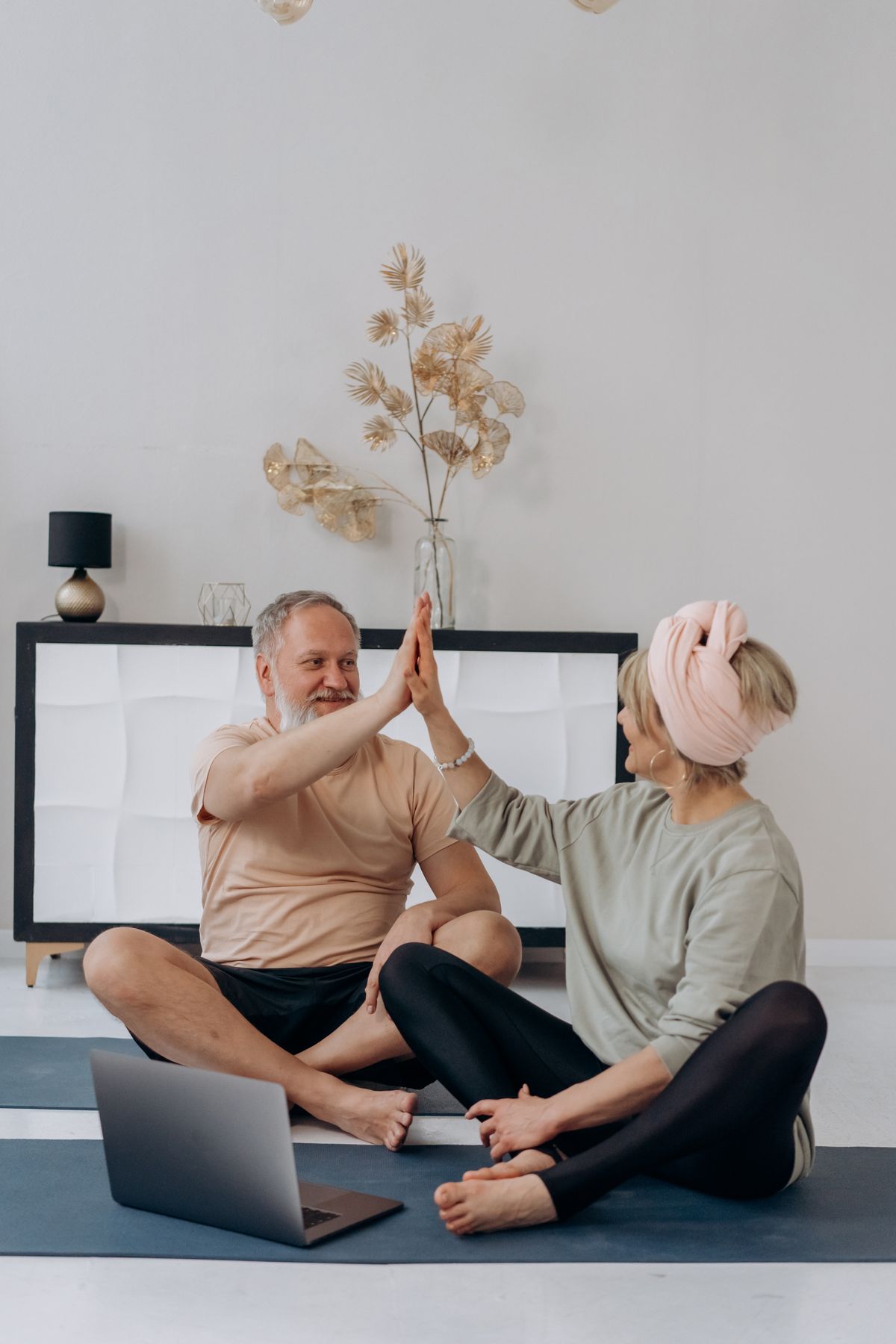
The image shows a chair in a home exercise space, which fits a page about room lane, furniture support, floor, equipment placement, sound, and exit. It is general-education context, not proof of a result.
Article match: home room, chair, small-space lane, support, furniture, floor, and exit-path decisions. The image is close because it shows a compact home exercise setting with a chair, while the article explains room setup rather than a specific exercise result. Article match: home.
Image: Chair In A Home Exercise Space. Author: Pexels photographer, see source page. License: Pexels License. Library: Pexels.